
Kali Maa History: Meaning, Legends, and Devotion
April 16, 2026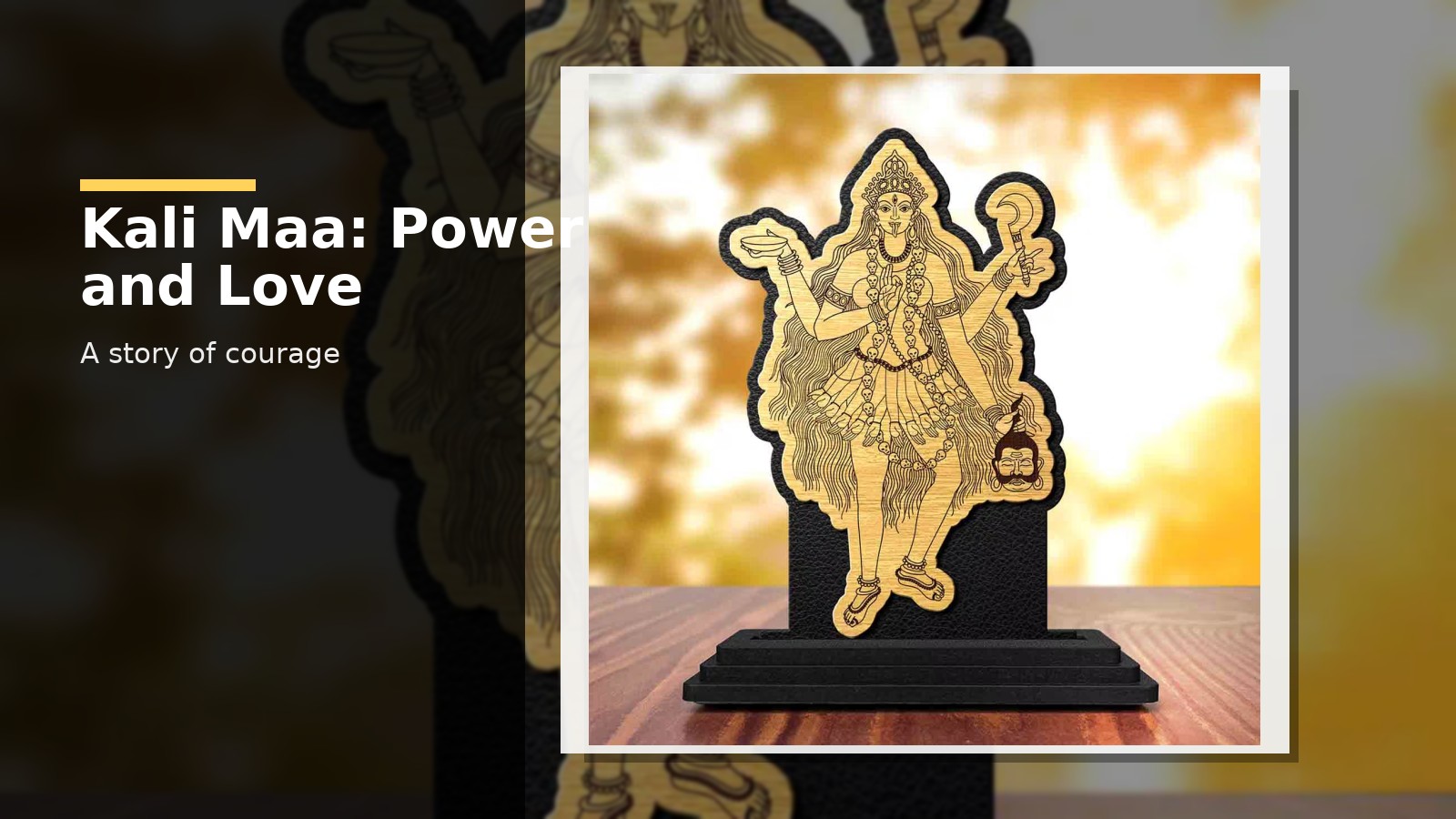
English Version
When elders speak softly about kali maa history, it is often not only about ancient stories. It is also about the kind of strength that teaches us how to stand up, how to stay humble, and how to remember that protection and compassion can live in the same heart. In many homes, Kali Maa is not just worshipped as a powerful goddess; she is remembered as the divine mother who cuts away fear and helps a devotee walk with courage.
Her story has traveled through centuries, temples, songs, folk traditions, and family prayers. Some hear her name and think first of her fierce form. But those who grow up listening to dadi or nani often learn something deeper: Kali Maa is the mother who protects, the destroyer of evil, and the force that reminds us to live with truth.
Who is Kali Maa?
Kali Maa is one of the most revered forms of the Divine Mother in Hindu tradition. She is usually shown with dark complexion, flowing hair, a garland of skulls, a protruding tongue, and a powerful posture. To a child hearing the story for the first time, this form may seem intense. But elders often explain gently that her fierce appearance is not about cruelty. It is about victory over ego, ignorance, and forces that harm dharma.
In devotional understanding, Kali Maa is the mother who protects her children in the darkest moments. She is also linked with time, transformation, and the deep truth that everything worldly changes. Her very name is often connected with kala, meaning time, and with the idea that she transcends fear and destruction.
Kali Maa history through legends and symbolism
One of the most beloved stories associated with Kali Maa comes from the battle against the demon Raktabija. According to the well-known legend, every drop of his blood created another demon. The struggle seemed endless until the Divine Mother manifested in her fierce form. Kali Maa drank the blood before it could fall, ending the cycle of evil.
This legend is more than a battle scene. It carries a lesson many families quietly pass on at home: some problems grow when we feed them with attention, anger, or fear. Kali Maa teaches that courage, focus, and spiritual clarity can stop negativity before it spreads.
Her symbolism is rich and deeply meaningful:
- Dark form: Often understood as the vastness beyond ego and limited identity.
- Skull garland: A reminder that attachment to the body and pride is temporary.
- Outstretched tongue: A sign of shock, force, and the triumph of divine energy.
- Raised sword or weapon: Protection, justice, and the cutting away of fear.
- Stepping on Lord Shiva: In many interpretations, this points to the dynamic balance of energy and consciousness.
Rather than reading these symbols only literally, devotees often see them as spiritual lessons. Kali Maa history becomes a guide to inner life: face fear, remove false pride, and trust the Divine Mother’s protection.
What Kali Maa teaches at home
Many of us first learn spiritual values at home, not from a book. A grandmother may light a diya, fold her hands, and say, “Maa is always watching.” A father may tell a child to be brave and truthful. A mother may remind the family that anger should not control our actions. In that gentle way, Kali Maa becomes part of household values.
Her devotion often reflects lessons that parents and grandparents hope children will carry through life:
- Be fearless: Face difficulty without losing faith.
- Stay truthful: Truth protects better than pride.
- Respect boundaries: Power must be guided by wisdom.
- Serve others: Devotion is not only prayer; it is kindness in action.
- Trust divine timing: Some answers come slowly, but they do come.
This is why Kali Maa remains so close to the heart. She is not distant or unreachable. She enters the home through prayer, discipline, and the values that shape everyday life.
Famous temples and places of worship
Kali Maa is worshipped across India and beyond, and her presence is especially strong in regions where Shakti devotion is deeply rooted. One of the most famous temples associated with her is the Kalighat Kali Temple in Kolkata, a sacred site that draws countless devotees. Kalighat is often mentioned with reverence because it stands as both a living place of worship and a powerful symbol of Kolkata’s spiritual identity.
Devotees also visit other important shrines and local temples dedicated to Maa Kali, each with its own traditions, songs, offerings, and community memory. In many places, the temple is not only a religious center but also a gathering place where faith is shared across generations.
When people speak about Kali Maa history, these temples matter because they keep devotion alive in daily practice. A temple bell, a simple flower offering, or a whispered prayer can carry centuries of belief.
Festival significance and devotional rhythm
Kali Maa is especially honored during Kali Puja, which is celebrated with devotion and great reverence, particularly in Bengal and in many Bengali communities elsewhere. The festival is usually observed on the night of Diwali in many traditions, and it becomes a time of lamps, prayers, offerings, and remembrance of the Mother’s protective power.
For many devotees, the festival is not only about ritual. It is a chance to invite light into the darker corners of life. Families clean their homes, decorate prayer spaces, and sit together in prayer. In that setting, Kali Maa becomes a living presence of strength, not fear.
Other forms of devotion may include:
- reciting mantras or stotras
- offering red flowers, sweets, or fruits
- observing fasts or special prayers
- visiting temples with family
- listening to devotional stories and bhajans
Why devotees find comfort in Kali Maa
At first glance, Kali Maa may seem fierce, but devotion reveals her tenderness. She is often turned to in times of grief, uncertainty, illness, conflict, or fear. Devotees feel that she does not merely remove obstacles; she also gives the inner strength needed to endure them.
That is why her worship can feel deeply emotional. A person facing hardship may whisper her name not because everything is already fine, but because they need the courage to keep going. In this way, Kali Maa history is not only about the past. It is about lived faith in the present.
A living tradition, not just an old story
The beauty of Kali Maa history is that it continues to breathe in homes, temples, festivals, and everyday prayer. She is remembered as the Mother who protects the helpless, destroys negativity, and teaches that true strength is never empty aggression. True strength is compassion with courage.
That is why her image continues to inspire devotion in art, worship spaces, and sacred corners of the home. If you are looking for a small devotional piece that can bring this presence into your prayer area, you may also explore the related product on our store.
Frequently Asked Questions
What is the main meaning of Kali Maa history?
Kali Maa history reflects the power of the Divine Mother to destroy evil, remove fear, and protect devotees. It also teaches spiritual lessons about courage, transformation, and truth.
Why is Kali Maa shown in a fierce form?
Her fierce form symbolizes the destruction of ego, negativity, and injustice. It is meant to show divine protection, not cruelty.
Which temple is most famous for Kali Maa worship?
Kalighat Kali Temple in Kolkata is among the most famous and deeply revered temples dedicated to Kali Maa.
What does Kali Puja mean for devotees?
Kali Puja is a time to honor the Goddess, seek protection, and welcome light, faith, and courage into life.
What values does Kali Maa teach in family life?
She teaches fearlessness, truthfulness, discipline, compassion, and trust in divine protection.
Hindi Version
Jab bade pyaar se kali maa history ke baare mein batate hain, to baat sirf purani kahaniyon ki nahi hoti. Baat hoti hai us shakti ki jo humein himmat, vinamrata aur sachchai ka path dikhati hai. Ghar ke buzurg aksar Kali Maa ko sirf ek bhayankar roop wali devi ke roop mein nahi, balki aisi Maa ke roop mein yaad karte hain jo apne bachchon ki raksha karti hai aur unhe andar se mazboot banati hai.
Unki kahaniyan sadiyon se mandiron, bhajanon, lok-paramparaon aur parivarik prarthnaon mein zinda hain. Kali Maa ka naam sunte hi kai logon ke mann mein unka tejasvi roop aa jata hai, lekin jo log dadi-nani se kahani sunte hue bade hue hote hain, unke liye Kali Maa ek gehri seekh bhi hoti hain: andhere mein bhi himmat ka diya jalaye rakhna.
Kali Maa kaun hain?
Kali Maa Hindu parampara mein Divine Mother ya Shakti ka ek atyant poojya roop hain. Unka roop aksar kaala ya ghanā, khule baal, mund-mala, protruding tongue aur shaktishali stance ke saath dikhaya jata hai. Bachche jab pehli baar ye roop dekhte hain, to thoda ashcharya hota hai. Lekin bade pyar se samjhate hain ki yeh roop krurta ka nahi, balki ahankar aur adharm par vijay ka pratik hai.
Bhakti ki drishti se Kali Maa woh Mata hain jo sankat ke samay apne bhakton ko sambhalti hain. Unka sambandh samay, parivartan aur us satya se bhi joda jata hai ki sansar mein sab kuch badalta hai.
Legends aur symbolism ke through kali maa history
Kali Maa se judi sabse prachlit kahaniyon mein Raktabija asur ka prasang aata hai. Katha ke anusaar, uske khoon ki har boond se ek naya asur janm leta tha. Sangharsh lamba hota gaya, tab Devi ne apne ugram roop mein avtar liya. Kali Maa ne khoon ko zameen par girne se pehle hi rok diya aur adharma ke chakra ko tod diya.
Yeh kahani sirf yuddh ki nahi, balki jeevan ki bhi seekh hai. Ghar mein bade aksar samjhate hain ki kuch samasyaen tab badhti hain jab hum unhe gussa, dar ya uljhan se aur khila dete hain. Kali Maa humein sikhati hain ki himmat aur spast buddhi negativity ko shuru hone se pehle hi rok sakti hai.
Unke symbols bhi gehre arth rakhte hain:
- Kaala roop: Ahankar se pare anant satya ka pratik.
- Skull garland: Sharirik moh aur ghamand ki anityata ka sanket.
- Bahir nikli jeebh: Tejas, shock aur divine energy ka pradarshan.
- Hathiyar: Raksha, nyay aur fear ko kaatne wali shakti.
- Shiv par paon: Shakti aur chetna ke santulan ka pratik.
Bhakton ke liye yeh sab keval chitra nahin, balki spiritual lessons hain. Kali Maa history humein andar ki zindagi samjhati hai: dar ka saamna karo, jhoothe ahankar ko chhodo, aur Maa ki raksha par vishwas rakho.
Ghar ke values mein Kali Maa ki seekh
Hummein se bahut se log pehli spiritual seekh ghar mein hi lete hain. Dadi diya jalati hain, haath jod kar kehti hain, “Maa sab dekh rahi hain.” Papa bachche ko sach bolne aur himmat rakhne ko kehte hain. Maa yaad dilati hain ki gussa humein chalaye nahi. Aise hi pyaare tareeke se Kali Maa parivarik sanskaron ka hissa ban jaati hain.
Unki bhakti se woh values judi hain jo parents aur grandparents bachchon ko dena chahte hain:
- Dar se mat daro: Mushkil ka saamna vishwas ke saath karo.
- Sach ka saath do: Sachchai, ahankar se zyada shaktishali hoti hai.
- Seemaon ka samman: Shakti ko buddhi se chalna chahiye.
- Seva karo: Bhakti sirf puja nahi, vyavhaar mein karuna bhi hai.
- Divine timing par vishwas: Har prashn ka uttar turant nahi milta, par milta zaroor hai.
Isliye Kali Maa dil ke bahut kareeb rehti hain. Woh door nahi lagti, balki ghar ke har kone mein prarthna, discipline aur sanskaron ke roop mein mehsoos hoti hain.
Prasiddh mandir aur pooja sthal
Kali Maa ki pooja Bharat ke kai hisso mein hoti hai. Unse juda sabse prasiddh mandir Kalighat Kali Temple, Kolkata hai. Yeh mandir shraddha ka ek jeevit kendra hai aur Kolkata ki spiritual pehchaan ka mahatvapurn hissa bhi.
Bharat ke alag-alag shehron aur gaonon mein Maa Kali ke aur bhi anek mandir hain. Har sthal ki apni parampara, bhajan, bhog aur samudayik yaad hoti hai. Yahi mandir kali maa history ko keval kitab ka vishay nahi, balki jeete-jaagte anubhav mein badal dete hain.
Kali Puja aur bhakti ka samay
Kali Puja Maa Kali ko samarpit ek atyant mahatvapurn parv hai. Bengal aur Bengali samudayon mein isse bahut shraddha ke saath manaya jata hai. Kai paramparaon mein yeh Diwali ki raat ke aas-paas aata hai aur deep, prarthna, bhog aur Maa ki raksha-shakti ko smaran karne ka avsar ban jata hai.
Parv ka arth sirf ritual nahi hota. Yeh gharon mein roshni lane ka sanket bhi hota hai. Log ghar saaf karte hain, pooja-sthan sajate hain aur parivar ke saath prarthna karte hain. Aise palon mein Kali Maa bhay nahi, balki himmat ka roop ban jaati hain.
Bhakti ke kuch roop is prakar hote hain:
- mantra ya stotra ka paath
- lal phool, mithai ya phal arpan
- vrat ya vishesh pooja
- parivar ke saath mandir darshan
- bhajan aur katha shravan
Bhakton ko Kali Maa mein sukoon kyun milta hai?
Pehli nazar mein Kali Maa ka roop kathor lag sakta hai, lekin bhakti unki komalta dikhati hai. Sankat, bimari, dar, ya man ki uljhan mein log unhe yaad karte hain. Bhakton ko lagta hai ki Maa sirf samasya nahi hatati, balki usse paar karne ki shakti bhi deti hain.
Isliye unki bhakti bahut bhavuk hoti hai. Insaan jab unka naam leta hai, to iska matlab yeh nahi ki sab theek hai. Kabhi-kabhi iska matlab hota hai ki mujhe aage badhne ke liye himmat chahiye. Isi mein kali maa history jeevan ke aaj se jud jaati hai.
Ek jeevit parampara, sirf purani kahani nahi
Kali Maa history ki sundarta yahi hai ki woh aaj bhi gharon, mandiron, parvon aur pratidin ki prarthna mein saans leti hai. Woh us Mata ke roop mein yaad ki jaati hain jo ashaheenon ki raksha karti hain, negativity ko door karti hain aur sikhati hain ki sachchi shakti andhi aakramakta nahi, balki karuna ke saath himmat hai.
Agar aap apne pooja-sthal ke liye ek chhota sa devotional piece chahte hain, to aap related product ko bhi explore kar sakte hain.
FAQ
Kali Maa history ka mukhya arth kya hai?
Kali Maa history Divine Mother ki us shakti ko darshati hai jo adharm ka nash karti hai, dar ko door karti hai aur bhakton ki raksha karti hai.
Kali Maa ko ugram roop mein kyun dikhaya jata hai?
Unka ugram roop ahankar, negativity aur anyaay ke vinash ka pratik hai. Iska arth krurta nahi, divya raksha hai.
Kali Maa ka sabse prasiddh mandir kaunsa hai?
Kolkata ka Kalighat Kali Temple Maa Kali ke sabse prasiddh aur shraddha-purn sthalon mein se ek hai.
Kali Puja bhakton ke liye kya mahatva rakhti hai?
Kali Puja Devi ko samarpit ek aisa samay hai jab bhakt raksha, roshni, aur himmat ki prarthna karte hain.
Kali Maa parivarik jeevan mein kaun si values sikhati hain?
Woh nirbhayata, sachchai, discipline, karuna aur divine protection par vishwas sikhati hain.