
Famous Traditional Folk Art 3D Temple: Pilgrimage, Devotion, and Sacred Story
April 16, 2026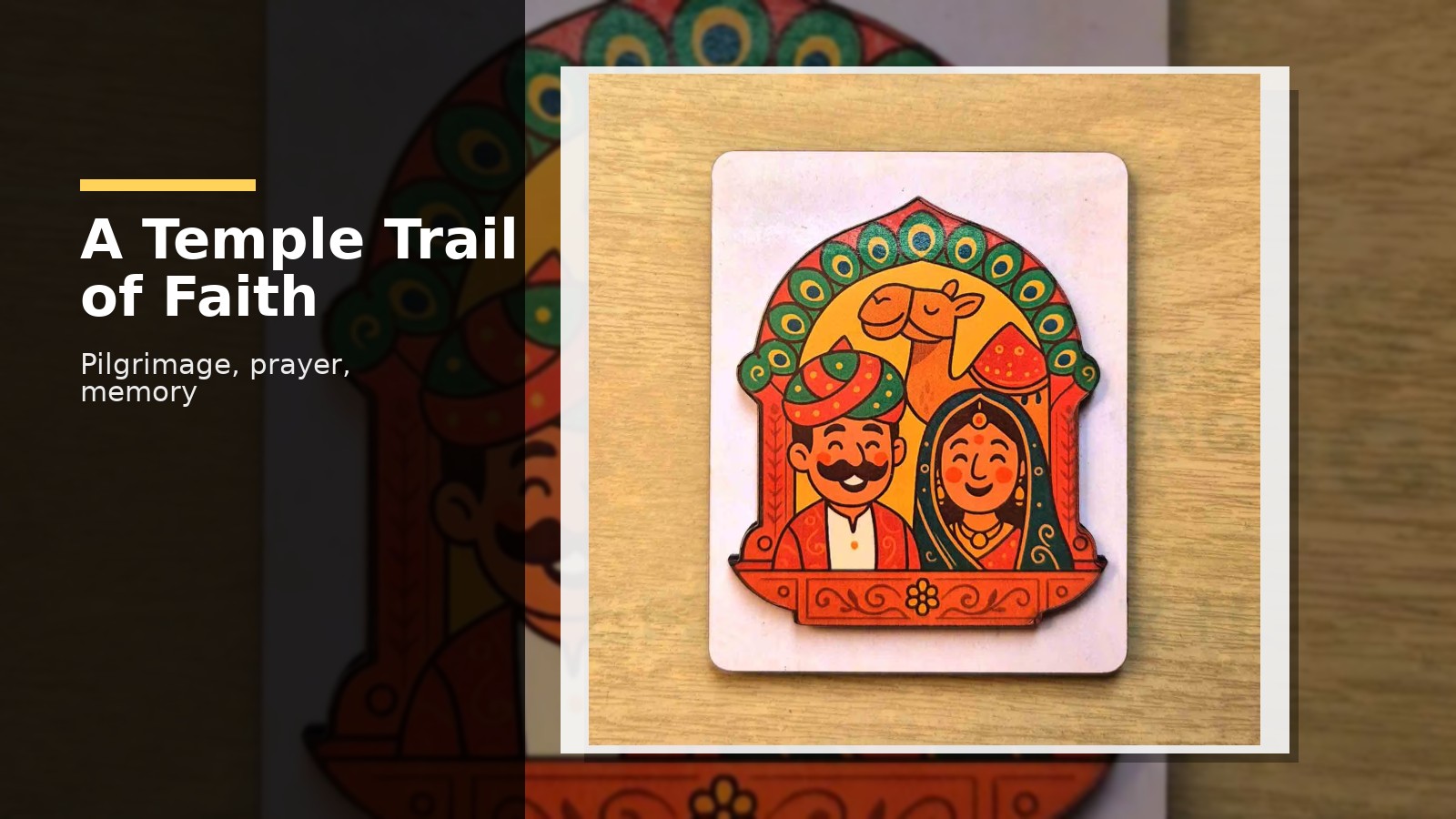
English Version
When people speak of the famous traditional folk art 3d temple, they are not only talking about a place of worship. They are speaking of a feeling, a journey, and a memory that lives in the heart long after the bells go quiet. In India, temples are rarely just buildings. They are living stories. They hold the footsteps of pilgrims, the songs of devotees, the fragrance of incense, and the quiet hope of people who come seeking peace.
Traditional folk art adds another layer to this devotion. It brings color, rhythm, and local memory into sacred spaces. A temple seen through folk art does not feel distant or formal. It feels close to the people. It feels like something handed down by grandmothers, singers, artisans, and travelers who kept faith alive through stories, murals, carvings, and celebration.
Why the famous traditional folk art 3d temple feels so sacred
Across India, devotees often travel temple routes not only for darshan, but also for inner cleansing. A pilgrimage is more than movement from one place to another. It is a soft surrender. It is the belief that every step taken in devotion becomes part of prayer. This is why the idea of a famous traditional folk art 3d temple feels so powerful: it connects sacred architecture, folk memory, and the emotional journey of the pilgrim.
In temple towns, you may see painted walls, carved pillars, local legends told by priests and guides, and small markets selling offerings, lamps, flowers, and keepsakes. Everything around the shrine seems to say the same thing: come with a pure heart, and leave a little lighter than before.
Who the deity is in the temple tradition
Because temple devotion in folk traditions can vary by region, the deeper truth is not limited to one style of worship. The deity may be understood through local forms, family customs, and regional songs. What remains constant is the feeling of surrender. Devotees often bow before the divine with the hope of protection, healing, blessings for family, and strength in difficult times.
Traditional folk art often depicts the deity in a warm, accessible way. The divine is shown not as far away, but as near to daily life. That is the beauty of folk devotion. It reminds us that the sacred can live in a village lane, a temple courtyard, a prayer wall, or a travel memory carried back home.
Temple legends and the path of pilgrimage
Every famous temple has a path around it, and every path has its own story. Some pilgrimage traditions begin with vows made at home. Some begin with a family promise. Some begin when a person faces hardship and feels called to the shrine. The sacred geography of temple travel is often shaped by rivers, hills, coastal routes, and old market roads where pilgrims once walked barefoot for miles.
Along the way, there is music. There are rest houses. There are shared meals. There are strangers who become companions for a few hours because devotion makes everyone feel like family. This is the emotional heart of a temple trail. It is not only about arrival. It is about how the road itself becomes part of the blessing.
Famous temples and sacred places connected with devotion
India is filled with revered temple destinations that draw lakhs of pilgrims every year. Some are known for ancient history, some for festival energy, and some for the quiet strength devotees feel there. While each shrine has its own identity, a few shared qualities make temple worship deeply moving:
- Temple bells and aarti that create a sense of arrival and focus.
- Prasad traditions that turn food into blessing and remembrance.
- Darshan lines that teach patience, humility, and shared faith.
- Local folk songs and stories that preserve temple memory across generations.
- Handmade offerings and art that keep the shrine connected to the people.
These elements are often what make a temple famous, not just its age or size. A temple becomes beloved when people feel heard there.
Festival significance and devotional rhythm
Temple life becomes especially vivid during festivals. The air changes. The queues grow longer. Lamps glow brighter. Drums, conches, and chants fill the courtyard. For devotees, festivals are not only celebrations; they are moments when divine presence feels especially near.
In many regions, folk art plays an important role in these celebrations. Painted figures, decorated panels, festive processions, and local performance traditions help carry devotion into public life. That is why the phrase famous traditional folk art 3d temple also evokes movement and color, not only stillness. It suggests worship that is alive, shared, and beautifully human.
Symbols, colors, and the language of folk devotion
Folk art speaks in symbols. Bright colors often suggest auspiciousness and joy. Repeated patterns may show continuity and protection. Temple motifs can include lamps, lotuses, arches, bells, peacocks, or sacred geometry, depending on the region and tradition.
In a 3D folk-art style, these details feel layered and present. The temple image seems to rise forward, almost inviting the viewer to step closer. That visual depth works well for devotional memory because faith itself is layered: inherited from elders, strengthened by personal experience, and renewed through repeated visits.
Why devotees return again and again
People do not return to temples only because they are beautiful. They return because they remember how they felt there. Some remember peace. Some remember relief. Some remember a prayer answered in a way they never expected. Others return simply because the shrine became part of their family story.
That is the quiet power of pilgrimage. A temple is not only a destination. It becomes a companion. It stays in the mind like a lamp that keeps burning softly even after the journey ends.
What the temple trail teaches us
The sacred route teaches many things without speaking a word:
- Faith is often carried one step at a time.
- Devotion is strengthened by community.
- Art can preserve spiritual memory.
- Temples connect past and present in one shared heartbeat.
- Small keepsakes can hold large emotions.
This is why devotees often bring home a reminder after visiting a shrine. It may be a photo, a prasad box, a thread, or a small decorative object that keeps the memory alive in daily life. If you enjoy such faith-filled keepsakes, you may also like our Traditional Folk Art 3D Fridge Magnet, a colorful little reminder of devotion and travel memory.
FAQ
What does famous traditional folk art 3d temple mean?
It refers to a devotional temple theme expressed through traditional folk art with a three-dimensional visual style, often evoking pilgrimage, sacred memory, and local worship culture.
Why are temple pilgrimages so important in Indian devotion?
Pilgrimages are important because they combine prayer, discipline, community, and personal faith. Many devotees feel that the journey itself becomes part of the blessing.
How does folk art connect with temple culture?
Folk art preserves local stories, festive energy, and devotional symbols. It makes temple culture feel lived-in, human, and close to everyday people.
What makes a temple famous among devotees?
A temple becomes famous through history, miracles remembered by devotees, festival traditions, accessibility, sacred legends, and the peace people feel in its presence.
Why do people keep temple souvenirs at home?
Souvenirs help devotees keep the memory of darshan alive. They act as small reminders of faith, travel, gratitude, and the emotional bond with a sacred place.
Final reflection
The journey of the famous traditional folk art 3d temple is really the journey of devotion itself. It is the story of elders telling children where the bells ring brightest, of pilgrims walking with folded hands, of art carrying prayer from one generation to the next. In that sense, a temple is never only made of stone. It is made of memory, love, and living faith.
For readers who enjoy devotional decor and meaningful keepsakes, there is also a gentle way to carry that feeling into everyday space. Explore the related product on our store.
Hindi Version
जब लोग famous traditional folk art 3d temple की बात करते हैं, तो वे सिर्फ एक मंदिर की नहीं, बल्कि एक भावना, एक यात्रा और एक ऐसी याद की बात करते हैं जो घंटियों के शांत हो जाने के बाद भी दिल में बनी रहती है। भारत में मंदिर केवल इमारतें नहीं होते। वे जीवित कहानियाँ होते हैं। वहाँ भक्तों के कदमों की आहट होती है, आरती की ध्वनि होती है, धूप-दीप की सुगंध होती है, और उन लोगों की मौन आशा होती है जो शांति और आशीर्वाद लेने आते हैं।
पारंपरिक लोक कला इस भक्ति में रंग, लय और लोक-स्मृति जोड़ देती है। जब किसी मंदिर को folk art की दृष्टि से देखा जाता है, तो वह दूर या औपचारिक नहीं लगता। वह अपने लोगों के बहुत करीब लगता है। ऐसा लगता है जैसे उसे दादी-नानी, कलाकारों, भजन गाने वालों और यात्रियों ने मिलकर सहेजा हो।
famous traditional folk art 3d temple इतना पवित्र क्यों लगता है
भारत में लोग मंदिरों की यात्रा केवल दर्शन के लिए नहीं, बल्कि भीतर की शुद्धि के लिए भी करते हैं। तीर्थयात्रा केवल एक जगह से दूसरी जगह जाना नहीं है। यह एक तरह का समर्पण है। यह विश्वास है कि भक्ति में लिया गया हर कदम प्रार्थना का हिस्सा बन जाता है। इसलिए famous traditional folk art 3d temple का विचार बहुत गहरा लगता है, क्योंकि इसमें मंदिर की वास्तुकला, लोक-स्मृति और यात्री की भावनात्मक यात्रा—तीनों एक साथ जुड़ जाते हैं।
मंदिर नगरों में रंगे हुए दीवार चित्र, नक्काशीदार स्तंभ, स्थानीय कथाएँ, और फूल, दीप, प्रसाद की छोटी-छोटी दुकानें दिखाई देती हैं। वहाँ सब कुछ एक ही बात कहता है: शुद्ध मन से आओ, और हल्का होकर लौटो।
इस मंदिर परंपरा में देवता कौन हैं
लोक-परंपराओं में मंदिर-भक्ति क्षेत्र के अनुसार अलग-अलग रूपों में दिखाई दे सकती है। कहीं देवता की छवि स्थानीय कथाओं में मिलती है, कहीं पारिवारिक रीति में, और कहीं भजनों में। लेकिन एक बात हर जगह एक-सी रहती है—समर्पण की भावना। भक्त सुरक्षा, स्वास्थ्य, परिवार के कल्याण और कठिन समय में शक्ति के लिए सिर झुकाते हैं।
पारंपरिक लोक कला में देवता को अक्सर बहुत अपनेपन के साथ दिखाया जाता है। दिव्यता को दूर नहीं, बल्कि जीवन के बहुत पास प्रस्तुत किया जाता है। यही लोक-भक्ति की सुंदरता है। यह याद दिलाती है कि पवित्रता गाँव की गली, मंदिर प्रांगण, प्रार्थना-दीवार या घर लाई गई छोटी-सी याद में भी बस सकती है।
मंदिर यात्राएँ और तीर्थ का रास्ता
हर प्रसिद्ध मंदिर के चारों ओर एक यात्रा-पथ होता है, और हर पथ की अपनी कहानी होती है। कुछ यात्राएँ घर में लिए गए व्रत से शुरू होती हैं। कुछ परिवार के वचन से। कुछ तब शुरू होती हैं जब कोई कठिनाई में होता है और मन मंदिर की ओर खिंच जाता है। तीर्थ-भूगोल अक्सर नदियों, पहाड़ियों, समुद्री मार्गों और पुराने बाजार रास्तों से बनता है, जहाँ कभी लोग नंगे पाँव मीलों चलते थे।
रास्ते में भजन होते हैं, ठहरने की जगहें होती हैं, और ऐसे साथी मिल जाते हैं जो कुछ घंटों के लिए ही सही, अपने जैसे लगने लगते हैं। यही मंदिर-यात्रा का भावनात्मक केंद्र है। यात्रा केवल पहुँचने की नहीं होती; खुद रास्ता भी आशीर्वाद का हिस्सा बन जाता है।
प्रसिद्ध मंदिर और भक्तों के लिए पवित्र स्थान
भारत में ऐसे अनेक तीर्थ स्थल हैं जो हर साल लाखों भक्तों को आकर्षित करते हैं। कहीं प्राचीन इतिहास की वजह से, कहीं उत्सवों की ऊर्जा से, और कहीं उस शांति से जो वहाँ महसूस होती है। हर मंदिर की अपनी पहचान होती है, फिर भी कुछ गुण ऐसे हैं जो मंदिर-भक्ति को बहुत गहरा बनाते हैं:
- घंटियाँ और आरती, जो मन को एकाग्र करती हैं।
- प्रसाद की परंपरा, जो भोजन को आशीर्वाद बना देती है।
- दर्शन की कतारें, जो धैर्य और विनम्रता सिखाती हैं।
- लोकगीत और कथाएँ, जो पीढ़ियों तक मंदिर की स्मृति बचाए रखती हैं।
- हाथ से बने प्रसाद और कला, जो मंदिर को लोगों से जोड़ते हैं।
मंदिर को प्रसिद्ध केवल उसकी उम्र या आकार नहीं बनाते। उसे प्रिय बनाता है भक्तों का अनुभव।
त्योहारों का महत्व और भक्ति की लय
त्योहारों के समय मंदिर का जीवन और भी जीवंत हो जाता है। हवा बदल जाती है। कतारें लंबी हो जाती हैं। दीप अधिक चमकने लगते हैं। ढोल, शंख और मंत्र पूरे प्रांगण को भर देते हैं। भक्तों के लिए त्योहार केवल उत्सव नहीं, बल्कि वह समय होते हैं जब दिव्य उपस्थिति और भी निकट लगती है।
कई क्षेत्रों में लोक कला इन उत्सवों का महत्वपूर्ण हिस्सा होती है। रंग-बिरंगे चित्र, सजाए गए पैनल, शोभायात्राएँ और स्थानीय प्रदर्शन भक्ति को सार्वजनिक जीवन में ले आते हैं। इसलिए famous traditional folk art 3d temple सिर्फ एक स्थिर छवि नहीं, बल्कि रंग और गति से भरी हुई जीवंत भक्ति का संकेत भी है।
प्रतीक, रंग और लोक-भक्ति की भाषा
लोक कला प्रतीकों में बोलती है। चमकीले रंग शुभता और आनंद का संकेत दे सकते हैं। दोहराए गए पैटर्न सुरक्षा और निरंतरता दिखा सकते हैं। मंदिर के चिन्हों में दीप, कमल, मेहराब, घंटी, मोर या पवित्र ज्यामिति दिखाई दे सकती है—यह सब क्षेत्र और परंपरा पर निर्भर करता है।
3D folk-art शैली में ये सब विवरण और भी सजीव लगते हैं। मंदिर का चित्र मानो सामने उभर आता है, जैसे दर्शक को और पास आने का निमंत्रण दे रहा हो। भक्ति की तरह ही यह गहराई भी कई स्तरों वाली होती है—बड़ों से मिली, अपने अनुभव से मजबूत हुई, और बार-बार की यात्रा से नई हुई।
भक्त बार-बार क्यों लौटते हैं
लोग मंदिरों में केवल सुंदरता के कारण नहीं लौटते। वे इसलिए लौटते हैं क्योंकि वहाँ उन्होंने कैसा महसूस किया, यह याद रहता है। किसी को शांति याद रहती है, किसी को राहत, किसी को वह प्रार्थना जो अनपेक्षित रूप से पूरी हुई। कुछ लोग इसलिए लौटते हैं क्योंकि वह मंदिर उनके परिवार की कहानी का हिस्सा बन गया होता है।
तीर्थयात्रा की यही मौन शक्ति है। मंदिर केवल गंतव्य नहीं रहता; वह साथी बन जाता है। यात्रा के बाद भी वह मन में ऐसे जलता रहता है जैसे कोई दीपक धीमे-धीमे जल रहा हो।
मंदिर-पथ हमें क्या सिखाता है
यह पवित्र रास्ता बिना बोले बहुत कुछ सिखा देता है:
- भक्ति अक्सर एक-एक कदम में आगे बढ़ती है।
- समुदाय से श्रद्धा और मजबूत होती है।
- कला आध्यात्मिक स्मृति को बचाए रख सकती है।
- मंदिर अतीत और वर्तमान को एक धड़कन में जोड़ देते हैं।
- छोटी-सी याद भी बड़े भाव सँभाल सकती है।
इसीलिए भक्त अक्सर दर्शन के बाद कोई छोटी याद अपने साथ लाते हैं—फोटो, प्रसाद का डिब्बा, धागा, या कोई सजावटी वस्तु। यदि आप ऐसे अर्थपूर्ण स्मृति-चिह्न पसंद करते हैं, तो हमारी Traditional Folk Art 3D Fridge Magnet देख सकते हैं, जो भक्ति और यात्रा की याद को रंगीन रूप में सहेजती है।
FAQ
famous traditional folk art 3d temple का क्या अर्थ है?
यह एक भक्ति-प्रधान मंदिर थीम है जिसे पारंपरिक लोक कला और 3D दृश्य शैली में प्रस्तुत किया जाता है। इसमें तीर्थ, पवित्र स्मृति और स्थानीय पूजा-संस्कृति की भावना होती है।
भारत में मंदिर-यात्रा इतनी महत्वपूर्ण क्यों मानी जाती है?
क्योंकि तीर्थयात्रा में प्रार्थना, अनुशासन, समुदाय और व्यक्तिगत श्रद्धा—all एक साथ जुड़ते हैं। कई भक्त मानते हैं कि यात्रा स्वयं भी आशीर्वाद का हिस्सा बन जाती है।
लोक कला का मंदिर संस्कृति से क्या संबंध है?
लोक कला स्थानीय कहानियों, उत्सवों और धार्मिक प्रतीकों को सुरक्षित रखती है। इससे मंदिर संस्कृति जीवंत, मानवीय और अपनेपन से भरी लगती है।
किस वजह से कोई मंदिर भक्तों में प्रसिद्ध बनता है?
इतिहास, भक्तों की स्मृतियाँ, उत्सव-परंपराएँ, पहुँच, पौराणिक कथाएँ और वहाँ महसूस होने वाली शांति—ये सब किसी मंदिर को प्रिय बनाते हैं।
लोग मंदिर-स्मृति चिन्ह घर में क्यों रखते हैं?
ताकि दर्शन की याद बनी रहे। ऐसे स्मृति-चिन्ह भक्ति, यात्रा, कृतज्ञता और पवित्र स्थान से जुड़े भावनात्मक संबंध की छोटी-सी याद दिलाते हैं।
अंतिम विचार
famous traditional folk art 3d temple की यात्रा, असल में, भक्ति की ही यात्रा है। यह उन बड़ों की कहानी है जो बच्चों को बताते हैं कि घंटियाँ कहाँ सबसे मधुर बजती हैं, उन यात्रियों की कहानी है जो हाथ जोड़कर चलते हैं, और उस कला की कहानी है जो प्रार्थना को पीढ़ी-दर-पीढ़ी आगे बढ़ाती है। इस अर्थ में मंदिर केवल पत्थर से नहीं बनता। वह स्मृति, प्रेम और जीवित श्रद्धा से बनता है।
जो पाठक devotional decor और meaningful keepsakes पसंद करते हैं, उनके लिए यह भावना घर की छोटी-सी जगह में भी लाई जा सकती है। Explore the related product on our store.