
Famous Shiv Temple Routes: A Devotional Journey Through Mahadev’s Sacred Places
April 17, 2026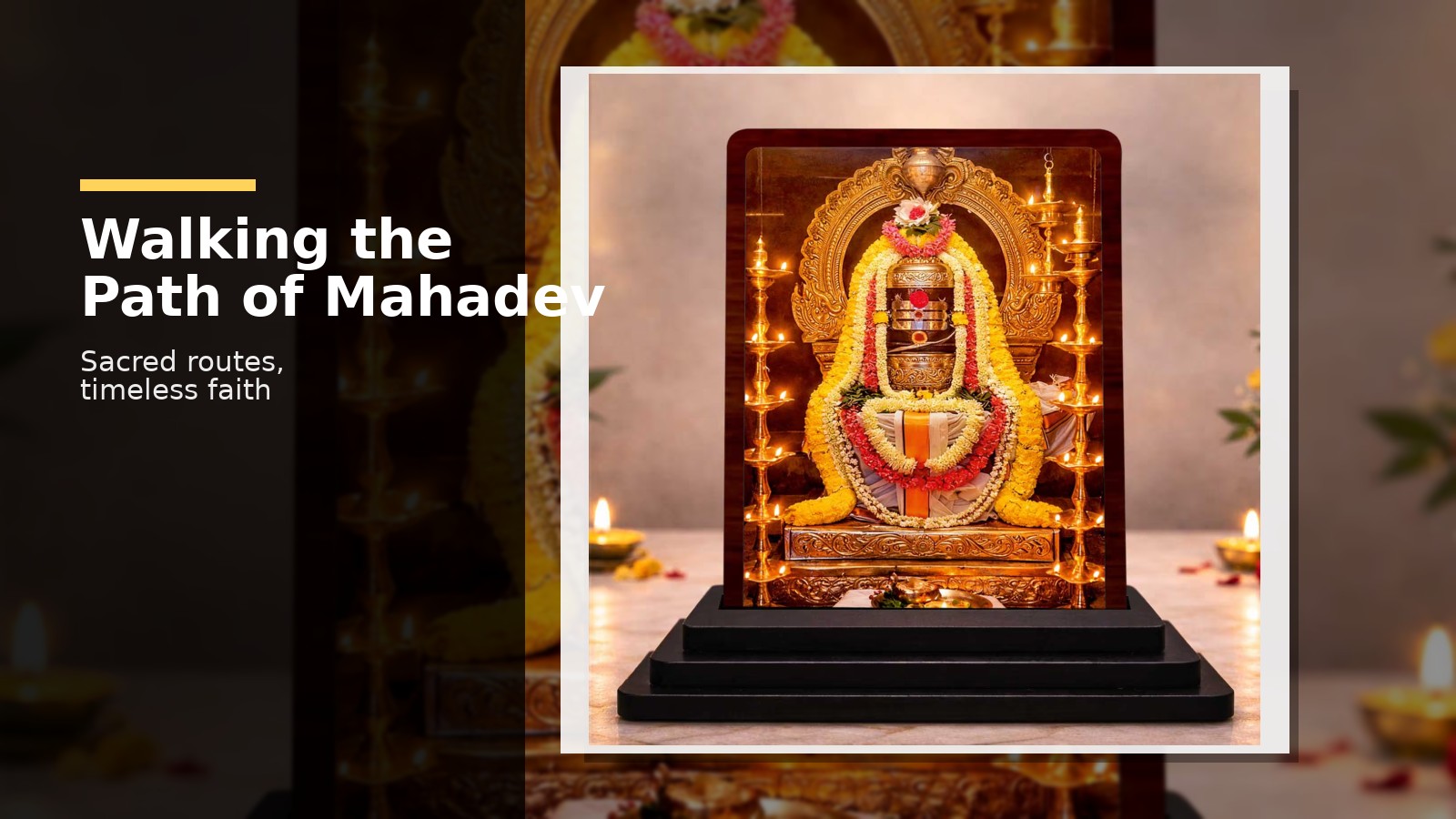
English Version
There are some journeys that begin on a map, and some that begin in the heart. A trip to a famous shiv temple is often the second kind. Devotees do not travel only to see stone, towers, and bells. They go to feel the quiet pull of Mahadev, to bow their heads where countless prayers have already touched the earth, and to return with a little more peace than they carried before.
Across India, Shiv Ji’s temples stand like sacred resting places for the restless mind. Some are known for ancient legends, some for powerful Jyotirlinga traditions, and some for the way the air itself seems filled with devotion. If you look closely, every famous Shiva pilgrimage route is not just a route of distance, but a route of surrender.
Why devotees walk the Shiv temple trail
People visit Shiv Ji’s holy places for many reasons. Some seek blessings for family life, health, work, or inner calm. Some come after loss, when words fail and only prayer remains. Some come simply because their elders taught them that Mahadev listens even to a whispered “Har Har Mahadev.”
That is the beauty of Shiva devotion. It is both grand and intimate. A mighty deity of destruction and transformation, yet also the compassionate Lord who accepts a leaf, a little water, and a sincere heart.
Famous Shiv temple destinations that devotees remember forever
When people speak of sacred Shiva travel, a few names rise again and again. These are not just tourist places. They are living centers of bhakti where history, legend, and faith walk together.
- Kashi Vishwanath, Varanasi – One of the most revered Shiva shrines, where devotees believe Mahadev grants liberation and watches over the eternal city.
- Somnath, Gujarat – Deeply associated with resilience, faith, and the continuing presence of Shiva through changing times.
- Kedarnath, Uttarakhand – A Himalayan pilgrimage that feels like a blessing carved into snow, silence, and sky.
- Mahakaleshwar, Ujjain – Revered for its powerful connection with time, protection, and the divine force of Mahakal.
- Rameshwaram, Tamil Nadu – A sacred pilgrimage point where devotion to Lord Shiva is linked with one of the most cherished journeys in Indian tradition.
- Baidyanath Dham, Jharkhand – A temple where many devotees arrive with deep faith in healing, relief, and blessings.
Each of these shrines has its own atmosphere. In one place, the sound of the Ganga feels close. In another, the mountain wind seems to carry mantras. In another, the sea remembers prayers. That is why temple travel for Shiv Ji is never only about architecture. It is about sacred geography.
The meaning of Jyotirlinga and Shiva’s presence
Among the most important traditions linked with Shiv Ji are the Jyotirlingas. These are understood by devotees as radiant forms of Shiva, full of light, power, and divine presence. Pilgrimage to a Jyotirlinga is often seen as a way of coming face to face with Mahadev’s eternal nature.
For many families, visiting a Jyotirlinga is a milestone. Elders speak of it with reverence, and children remember the journey long after the train ride, bus ride, or mountain climb ends. The temple may be crowded, but the moment of darshan often feels very personal, almost as if Shiva is meeting the devotee alone.
Why the pilgrimage route matters as much as the temple
A sacred journey to a famous Shiv temple begins before darshan. It begins when a person packs a small bag, wakes before sunrise, joins other devotees, and starts reciting prayers on the way. The road itself becomes part of devotion.
There is something deeply human in this. The body gets tired, the feet ache, plans change, and still people continue. Why? Because pilgrimage teaches patience, humility, and trust. By the time a devotee reaches the sanctum, the journey has already softened the heart.
In many Shiva pilgrimages, the route becomes a kind of inner cleansing. Mountains teach stillness. Rivers teach flow. Coastal shrines teach surrender. City temples teach how faith can live in the middle of everyday life.
Shiv Ji, the gentle Lord of transformation
Shiv Ji is often remembered as the destroyer in the great cycle of creation, but devotees know that destruction in Shiva’s world is never empty. It clears what no longer serves, so new life can begin. That is why people turn to Mahadev during difficult changes: marriage, family uncertainty, job struggles, grief, or spiritual confusion.
He is worshipped with simple offerings, especially water, milk, bel leaves, dhatura, and the devotion of a steady mind. Unlike many forms of worship that feel formal and distant, Shiva worship often feels accessible, almost like a conversation with an old and wise guardian.
Festival significance on the Shiva path
Temples become especially alive during sacred occasions such as Mahashivratri and Sawan. On these days, devotees fast, chant, offer prayers, and wait for darshan with deep emotion. The temple queues may stretch long, but the faith in people’s eyes is even longer.
During Sawan, many devotees visit famous Shiva temples, offer water to the Shivling, and take part in ritual journeys like the Kanwar tradition in North India. The entire month feels like a moving river of devotion. Mahashivratri, on the other hand, brings a night of vigil, prayer, and remembrance of Shiva’s cosmic power and compassion.
Common symbols devotees carry in their hearts
Shiva worship is rich with symbols that speak without words:
- Shivling – the central sacred form in many Shiva temples, honored with water and milk.
- Trishul – symbol of power, balance, and divine protection.
- Damru – linked with cosmic rhythm and creation.
- Bel patra – a humble leaf offered with faith and purity.
- Rudraksha – often worn by devotees as a reminder of Shiva’s presence.
These symbols are not decoration alone. They are reminders of an inner life: discipline, surrender, and transformation.
Rameshwaram and the southern devotion to Shiv Ji
Among the most beloved Shiva pilgrimage sites, Rameshwaram holds a special place in the hearts of devotees. It connects the devotion of the south with the larger spiritual journey of India. Pilgrims often go there with deep reverence, seeing the shrine as a place where prayer, history, and sacred memory come together.
If you are building a home corner of devotion, a small reminder of that sacred presence can keep the feeling of pilgrimage close. A devotional frame inspired by Rameshwaram’s spirit, such as the Rameshwaram Jyotirling Frame, can be placed in a mandir, on a desk, or in a gifting collection as a quiet symbol of faith.
What first-time Shiva pilgrims often feel
For a first-time visitor, a famous shiv temple can feel overwhelming at first. There may be crowds, incense, chants, temple bells, and the constant movement of people. But after a while, a deeper rhythm emerges. Everyone is there for the same reason: to offer, to remember, to receive.
That shared devotion creates a feeling of family. A stranger may point you toward the line. Another devotee may hand you flowers. A priest may guide you gently. In that moment, the temple becomes more than a place. It becomes a living expression of community and faith.
How to approach a Shiva pilgrimage with the right bhav
If you ever plan to visit a famous Shiva shrine, keep the journey simple and sincere:
- Travel with patience and respect.
- Carry basic offerings with purity of intention.
- Follow temple rules and local traditions.
- Keep your heart calm, even when the crowd is large.
- Remember that the real offering is devotion, not display.
Shiv Ji’s temples are not only about seeing a holy place. They are about becoming a little more still, a little more humble, and a little more open to grace.
FAQ
Which is the most famous Shiv temple in India?
Many devotees consider Kashi Vishwanath, Somnath, Kedarnath, Mahakaleshwar, and Rameshwaram among the most famous Shiv temple destinations, each with its own sacred importance.
What is special about visiting a Jyotirlinga?
A Jyotirlinga is believed to be a radiant manifestation of Shiva’s divine light. Visiting one is often seen as a deeply blessed form of pilgrimage.
Why do devotees offer water and bel patra to Shiv Ji?
These offerings are traditional expressions of purity, humility, and devotion. In Shiva worship, simple offerings made with a sincere heart are considered especially meaningful.
Which festival is most important for Shiva temples?
Mahashivratri is one of the most important festivals, while the month of Sawan is also deeply significant for Shiva devotees.
Is Rameshwaram important in Shiva pilgrimage tradition?
Yes, Rameshwaram is one of the most cherished Shiva pilgrimage sites and is especially respected for its sacred atmosphere and devotional significance.
Hindi Version
कुछ यात्राएँ नक्शे से शुरू होती हैं, और कुछ दिल से। famous shiv temple की यात्रा अक्सर दूसरी तरह की होती है। भक्त सिर्फ़ पत्थर, शिखर और घंटियाँ देखने नहीं जाते। वे महादेव की उस खिंचाव को महसूस करने जाते हैं, जहाँ अनगिनत प्रार्थनाओं ने पहले ही ज़मीन को पवित्र कर दिया होता है। और वहाँ से वे अपने भीतर थोड़ी और शांति लेकर लौटते हैं।
भारत भर में शिव जी के मंदिर ऐसे पवित्र ठिकाने हैं जहाँ बेचैन मन ठहरना सीखता है। कहीं प्राचीन कथा का आकर्षण है, कहीं ज्योतिर्लिंग की परंपरा, और कहीं ऐसी दिव्यता कि हवा भी मंत्रों से भरी लगती है। अगर ध्यान से देखें, तो हर प्रसिद्ध शिव तीर्थ यात्रा सिर्फ़ दूरी तय करने की नहीं, बल्कि समर्पण की यात्रा है।
भक्त शिव मंदिरों की यात्रा क्यों करते हैं
लोग शिव जी के पावन स्थानों पर कई कारणों से जाते हैं। कोई परिवार, स्वास्थ्य, काम या मन की शांति के लिए आशीर्वाद माँगता है। कोई दुख के बाद आता है, जब शब्द साथ नहीं देते और सिर्फ़ प्रार्थना बचती है। कोई इसलिए आता है क्योंकि बड़ों ने सिखाया होता है कि महादेव एक धीमी-सी पुकार भी सुन लेते हैं।
यही शिव भक्ति की सुंदरता है। यह एक साथ विराट भी है और बहुत निजी भी। शिव संहार और परिवर्तन के देव हैं, और साथ ही ऐसे करुणामय स्वामी भी जो एक बेल पत्र, थोड़ा जल और सच्चा मन स्वीकार कर लेते हैं।
वे प्रसिद्ध शिव मंदिर, जिनकी यात्रा भक्त कभी नहीं भूलते
शिव यात्रा की बात आते ही कुछ नाम बार-बार सामने आते हैं। ये सिर्फ़ घूमने की जगहें नहीं, बल्कि जीवित भक्ति-केन्द्र हैं जहाँ इतिहास, कथा और आस्था साथ चलते हैं।
- काशी विश्वनाथ, वाराणसी – सबसे पूजनीय शिव धामों में से एक, जहाँ भक्त मोक्ष और महादेव की अनंत उपस्थिति का अनुभव करते हैं।
- सोमनाथ, गुजरात – आस्था, पुनर्निर्माण और समय के बदलने पर भी शिव की निरंतर उपस्थिति का प्रतीक।
- केदारनाथ, उत्तराखंड – हिमालय की गोद में बसा ऐसा तीर्थ, जो बर्फ, नीरवता और आकाश में गुँथा हुआ लगता है।
- महाकालेश्वर, उज्जैन – समय, संरक्षण और महाकाल की शक्ति से जुड़ा अत्यंत प्रभावशाली धाम।
- रामेश्वरम, तमिलनाडु – शिव भक्ति का ऐसा पवित्र तीर्थ, जिसे भारतीय आध्यात्मिक परंपरा में बहुत विशेष स्थान प्राप्त है।
- बैद्यनाथ धाम, झारखंड – जहाँ अनेक भक्त आरोग्य, राहत और आशीर्वाद की भावना लेकर पहुँचते हैं।
इन सभी धामों का अपना वातावरण है। कहीं गंगा की आवाज़ पास लगती है, कहीं पहाड़ों की हवा मंत्रों को साथ लेकर चलती है, कहीं समुद्र प्रार्थनाओं को याद रखता है। इसलिए शिव मंदिरों की यात्रा सिर्फ़ वास्तुकला की यात्रा नहीं होती, वह पवित्र भूगोल की यात्रा भी होती है।
ज्योतिर्लिंग का अर्थ और शिव की दिव्य उपस्थिति
शिव जी से जुड़ी सबसे महत्वपूर्ण परंपराओं में ज्योतिर्लिंगों का स्थान बहुत ऊँचा है। भक्त इन्हें शिव के ज्योतिर्मय रूप, प्रकाश, शक्ति और दिव्य उपस्थिति के रूप में देखते हैं। ज्योतिर्लिंग की यात्रा को महादेव के शाश्वत स्वरूप के निकट जाने का मार्ग माना जाता है।
कई परिवारों के लिए ज्योतिर्लिंग दर्शन जीवन का एक बड़ा पड़ाव होता है। बड़े श्रद्धा से इसका उल्लेख करते हैं, और बच्चे भी ट्रेन, बस या पहाड़ी चढ़ाई के बाद इस यात्रा को लंबे समय तक याद रखते हैं। भीड़ भले हो, लेकिन दर्शन का क्षण अक्सर बहुत निजी महसूस होता है, जैसे शिव जी सिर्फ़ उसी भक्त से मिल रहे हों।
मंदिर जितनी ही महत्वपूर्ण है यात्रा की राह
शिव मंदिर की पवित्र यात्रा दर्शन से पहले शुरू हो जाती है। वह तब शुरू होती है जब कोई व्यक्ति छोटा-सा सामान बाँधता है, सूर्योदय से पहले उठता है, अन्य भक्तों के साथ चल पड़ता है और रास्ते में प्रार्थनाएँ दोहराता है। सड़क भी भक्ति का हिस्सा बन जाती है।
इसमें गहरी मानवीय सच्चाई है। शरीर थकता है, पैर दुखते हैं, योजनाएँ बदलती हैं, फिर भी लोग चलते रहते हैं। क्यों? क्योंकि तीर्थयात्रा धैर्य, विनम्रता और विश्वास सिखाती है। जब भक्त गर्भगृह तक पहुँचता है, तब तक यात्रा उसके मन को पहले ही नरम कर चुकी होती है।
शिव यात्रा में रास्ता भीतर की सफ़ाई जैसा भी हो जाता है। पहाड़ स्थिरता सिखाते हैं, नदियाँ प्रवाह, तटीय धाम समर्पण, और शहर के मंदिर यह बताते हैं कि भक्ति रोज़मर्रा जीवन के बीच भी कैसे जीवित रह सकती है।
शिव जी: परिवर्तन के करुणामय स्वामी
शिव जी को प्रायः संहारक के रूप में याद किया जाता है, लेकिन भक्त जानते हैं कि शिव की दुनिया में संहार रिक्त नहीं होता। वह केवल उसी को हटाता है जो अब जीवन के काम का नहीं रहा, ताकि नया आरंभ हो सके। इसलिए कठिन बदलावों में लोग महादेव की ओर जाते हैं—विवाह, परिवार की उलझन, नौकरी की चिंता, शोक या आध्यात्मिक भ्रम के समय।
वे बहुत सरल भेंट से पूजे जाते हैं—जल, दूध, बेल पत्र, धतूरा और स्थिर मन की श्रद्धा। शिव पूजा कई बार औपचारिक नहीं, बल्कि एक पुराने और बुद्धिमान संरक्षक से सीधी बातचीत जैसी लगती है।
शिव भक्ति में पर्वों का महत्व
महाशिवरात्रि और सावन जैसे अवसरों पर मंदिर और भी जीवंत हो उठते हैं। इन दिनों भक्त उपवास रखते हैं, जप करते हैं, पूजा करते हैं और दर्शन की प्रतीक्षा में भाव-विभोर रहते हैं। लंबी कतारें होती हैं, लेकिन लोगों की आँखों में आस्था उससे भी लंबी दिखती है।
सावन में अनेक भक्त प्रसिद्ध शिव मंदिरों में जल चढ़ाते हैं और उत्तर भारत की कांवड़ यात्रा जैसी परंपराओं में भाग लेते हैं। पूरा महीना भक्ति की चलती हुई नदी जैसा लगता है। महाशिवरात्रि दूसरी ओर जागरण, प्रार्थना और शिव की ब्रह्मांडीय शक्ति तथा करुणा की स्मृति की रात है।
भक्तों के हृदय में बसने वाले प्रतीक
शिव पूजा अनेक प्रतीकों से समृद्ध है:
- शिवलिंग – मंदिरों में पूजित प्रमुख पवित्र रूप, जिस पर जल और दूध अर्पित किए जाते हैं।
- त्रिशूल – शक्ति, संतुलन और दिव्य संरक्षण का प्रतीक।
- डमरू – सृष्टि की लय और ब्रह्मांडीय नाद से जुड़ा प्रतीक।
- बेल पत्र – श्रद्धा और पवित्रता से चढ़ाया जाने वाला सरल-सा पत्ता।
- रुद्राक्ष – शिव स्मरण का भाव जगाने वाली पवित्र माला।
ये केवल सजावट नहीं हैं। ये भीतर के जीवन के संकेत हैं—अनुशासन, समर्पण और रूपांतरण के संकेत।
रामेश्वरम और दक्षिण की शिव भक्ति
शिव तीर्थों में रामेश्वरम का स्थान बहुत विशेष है। यह दक्षिण भारत की भक्ति को पूरे देश की आध्यात्मिक यात्रा से जोड़ता है। श्रद्धालु वहाँ गहरी निष्ठा के साथ जाते हैं, जैसे पूजा, इतिहास और पवित्र स्मृति एक ही जगह मिल गई हो।
अगर आप घर के पूजा-कोने में इस पावन भाव को जीवित रखना चाहते हैं, तो रामेश्वरम से प्रेरित एक छोटा devotional frame उस अनुभूति को पास रख सकता है। जैसे Rameshwaram Jyotirling Frame—जो मंदिर, डेस्क या उपहार में श्रद्धा का शांत संकेत बन सकता है।
पहली बार शिव धाम जाने वाले क्या महसूस करते हैं
पहली बार किसी famous shiv temple में जाना थोड़ा भारी लग सकता है। भीड़ हो सकती है, धूप, धूप-धूनी, घंटियाँ, मंत्र और लोगों की निरंतर आवाजाही। लेकिन कुछ देर बाद एक गहरी लय समझ में आने लगती है। वहाँ सब एक ही कारण से हैं—अर्पण करने, याद करने, और कुछ पाने के लिए।
यही साझा भक्ति परिवार जैसा भाव बना देती है। कोई अनजान व्यक्ति आपको लाइन दिखा देता है, कोई भक्त फूल थमा देता है, कोई पुजारी धीरे से मार्ग बता देता है। उस क्षण मंदिर सिर्फ़ जगह नहीं रहता, वह समुदाय और आस्था का जीवंत रूप बन जाता है।
शिव यात्रा को सही भाव से कैसे करें
यदि आप कभी किसी प्रसिद्ध शिव धाम की यात्रा करें, तो इसे सरल और सच्चे मन से करें:
- धैर्य और सम्मान के साथ यात्रा करें।
- अपनी श्रद्धा के अनुसार सादे चढ़ावे रखें।
- मंदिर के नियम और स्थानीय परंपराओं का पालन करें।
- भीड़ के बीच भी मन को शांत रखने की कोशिश करें।
- याद रखें, असली भेंट दिखावा नहीं, भक्ति है।
शिव जी के मंदिर सिर्फ़ पवित्र स्थान देखने के लिए नहीं हैं। वे हमें थोड़ा अधिक स्थिर, थोड़ा अधिक विनम्र और थोड़ा अधिक कृपा-ग्रहणशील बनाते हैं।
FAQ
भारत का सबसे प्रसिद्ध शिव मंदिर कौन सा माना जाता है?
कई भक्त काशी विश्वनाथ, सोमनाथ, केदारनाथ, महाकालेश्वर और रामेश्वरम को सबसे प्रसिद्ध शिव मंदिरों में गिनते हैं। हर एक की अपनी अलग पवित्र महत्ता है।
ज्योतिर्लिंग दर्शन का क्या विशेष महत्व है?
ज्योतिर्लिंग को शिव के दिव्य प्रकाश का साक्षात रूप माना जाता है। इसकी यात्रा को अत्यंत पुण्यदायी तीर्थयात्रा समझा जाता है।
शिव जी को जल और बेल पत्र क्यों चढ़ाया जाता है?
ये अर्पण पवित्रता, विनम्रता और भक्ति के पारंपरिक प्रतीक हैं। शिव पूजा में सच्चे मन से किया गया सरल अर्पण बहुत महत्वपूर्ण माना जाता है।
शिव मंदिरों में सबसे महत्वपूर्ण पर्व कौन सा है?
महाशिवरात्रि सबसे महत्वपूर्ण पर्वों में से एक है। सावन का महीना भी शिव भक्तों के लिए अत्यंत पावन माना जाता है।
क्या रामेश्वरम शिव तीर्थ परंपरा में महत्वपूर्ण है?
हाँ, रामेश्वरम शिव भक्ति के सबसे प्रिय तीर्थों में से एक है और अपनी पवित्रता तथा आध्यात्मिक महत्ता के लिए बहुत सम्मानित है।