
Shiv Ji History, Festivals, and Puja Traditions
May 5, 2026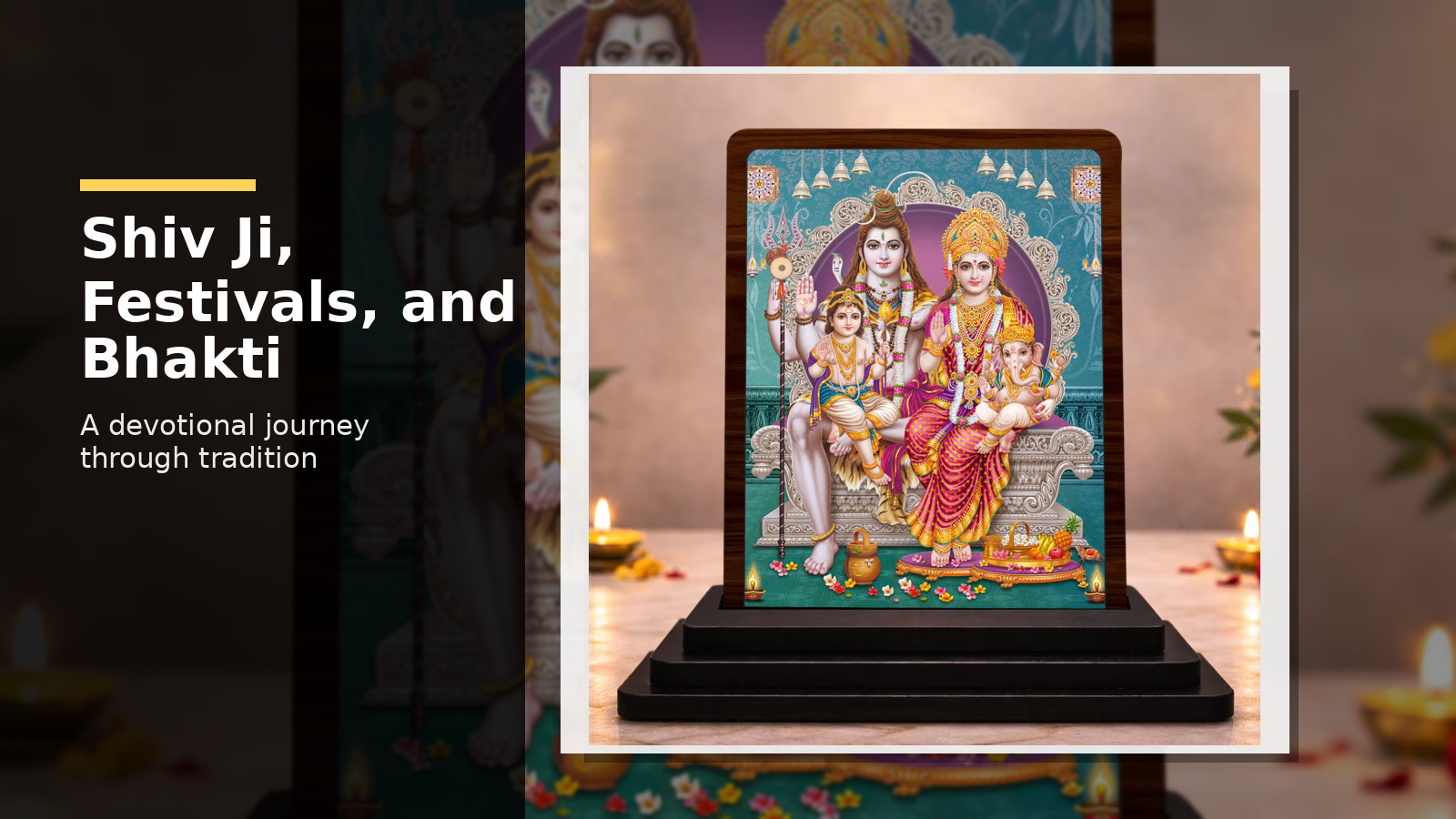
English Version
When families speak softly about shiv ji history, they are often not only talking about a deity, but about a presence that enters the home through prayer, fasting, bells, and the calm scent of incense. In many houses, Shiv Ji is remembered during early morning puja, during the glow of evening aarti, and especially on sacred days when devotion feels a little deeper than usual. His story is not just something written in books; it lives in the way people keep a vrat, pour water over the Shivling, and fold their hands with trust.
Shiv Ji is worshipped as Mahadev, the great lord, and as Bholenath, the easily pleased one. Both names tell us something important. He is vast and powerful, yet close and compassionate. That is why his worship is not limited to a single season. Still, certain festivals and ritual days bring his presence into sharper focus, and those moments have shaped the devotional rhythm of countless families across generations.
Who is Shiv Ji in devotion and tradition?
Shiv Ji is one of the most beloved deities in Hindu tradition. He is often remembered as the destroyer of ignorance, ego, and negativity, but that description only tells part of the story. Devotees also see him as the ascetic seated in meditation, the householder with Parvati Maa and Ganesh Ji, the lord of Kailash, and the compassionate listener who accepts even a simple offering of water, bilva leaves, or a sincere chant of “Om Namah Shivaya.”
In homes and temples, his image carries a quiet strength. The trident, the damru, the crescent moon, the Ganga flowing from his matted hair, and the sacred ash all point toward a life beyond ordinary pride and noise. The heart of shiv ji history is not only mythology; it is also a spiritual invitation to become still, humble, and devoted.
Key legends that shape Shiv Ji history
Many well-known stories help devotees understand Shiv Ji with feeling rather than distance. One of the most loved is the tale of his deep meditation, showing that silence itself can become divine. Another is his marriage to Parvati Maa, which gives the tradition of Shiv Parivar a tender family form that devotees remember with affection.
There is also the great image of Shiv Ji drinking the poison during the churning of the ocean, an act that reminds devotees of selflessness and protection. These stories are not just dramatic episodes. They teach that true strength is not loudness, but the ability to hold suffering, shield others, and remain centered in truth.
That is why families often tell these stories during vrat or festival days. A grandmother may explain them while lighting the diya, or a father may mention them before taking the children to the temple. In that simple way, the tradition becomes memory, and memory becomes faith.
Major festivals connected with Shiv Ji
Several festivals and sacred observances are closely linked with Shiv Ji, and each one brings a distinct devotional mood.
- Maha Shivratri: The most important night dedicated to Shiv Ji, observed with fasting, night जागरण, chanting, and abhishek.
- Sawan: The holy month that many devotees treat as a time for regular worship, fasting, and Shiva puja with special intensity.
- Somvar Vrat: Monday fasts are widely observed by devotees seeking peace, discipline, and blessings from Mahadev.
- Pradosh Vrat: An evening worship tradition especially loved by Shiva devotees for its calm and sacred atmosphere.
Among these, Maha Shivratri holds a special place because it is remembered as a night of awakening. The temple stays open longer, chants continue late into the night, and devotees feel that prayer itself is becoming a bridge. For many families, this is the day when children first learn the rhythm of Shiva bhakti: the quiet start, the fasting, the offering, the aarti, and the final feeling of peace.
Sawan carries a different tenderness. Rain, green leaves, temple bells, and repeated visits to Shiva temples create a mood of purity and renewal. Many people remember Sawan as the month when the home becomes more devotional: water is offered carefully, bhajans are sung more often, and the name of Mahadev is spoken with special love.
Why Shiva puja feels so personal in family life
Shiv Ji worship often feels intimate because it fits into daily life so naturally. A person does not need grand arrangements to begin. A clean space, a lamp, water, milk, bilva leaves, and sincere chanting are enough for many devotees. This simplicity makes the worship accessible to elders, children, and busy householders alike.
In many homes, the morning puja becomes a small but meaningful ritual. Someone wakes up early, bathes, lights the diya, and offers prayer before starting the day. On festival days, the whole family may gather around the altar. The atmosphere changes: less hurry, more silence; less distraction, more presence. That is one reason Shiv worship remains so emotionally strong across generations.
Families often keep a small Shiv Parivar image or idol in the home temple because it reminds them of balance, family harmony, and divine protection. The presence of Shiv Ji with Parvati Maa, Ganesh Ji, Kartikeya, and Nandi reflects not only devotion but also a graceful picture of sacred togetherness.
Famous temples that deepen devotion
India is filled with sacred places dedicated to Shiv Ji, and each temple carries its own atmosphere of faith. Some are known for their ancient history, some for their strong local tradition, and some for the feeling devotees carry home after darshan.
- Kashi Vishwanath, Varanasi: One of the most revered Jyotirlinga temples, deeply tied to the spiritual heart of Shiva devotion.
- Somnath, Gujarat: Famous for its enduring sacred legacy and historical importance in worship of Mahadev.
- Kedarnath, Uttarakhand: A high Himalayan shrine that inspires awe, discipline, and deep surrender.
- Mahakaleshwar, Ujjain: Known for its powerful daily rituals and special place in Shiva tradition.
When devotees visit these temples, they often describe the experience not only as darshan but as emotional release. The bells, the chant, the stone, the crowd, and the silence between prayers all come together. The temple becomes a living reminder that Shiv Ji is not distant; he is present in the act of devotion itself.
Symbols of Shiv Ji and their meaning
The sacred symbols associated with Shiv Ji help devotees reflect on spiritual life in a deeper way.
- Trishul: Represents power, balance, and the ability to overcome inner conflict.
- Damru: Symbolizes cosmic rhythm, creation, and the pulse of life.
- Bilva leaves: Offered with devotion, they are an essential part of Shiva worship.
- Vibhuti or sacred ash: A reminder of impermanence and humility.
- Nandi: The devoted vehicle of Shiv Ji, teaching patience and unwavering faith.
Each symbol speaks in a quiet language. Together, they make shiv ji history feel alive, not as a distant tale but as guidance for everyday life. They remind devotees to remain calm in difficulty, devoted in routine, and humble in success.
The emotional meaning of Shiv Ji festivals
For many families, festival worship is not only about ritual correctness. It is about reunion. A daughter may remember helping her mother prepare the puja thali. A son may recall standing near the temple while the aarti sang late into the night. An elder may remember how, year after year, the same prayer brought strength during difficult times.
This emotional continuity is what makes Shiv Ji festivals so enduring. They are not separate from life; they become part of life’s turning points. A vrat kept for peace, a temple visit before a new beginning, a chant whispered during anxiety, or an aarti sung in joy—each of these becomes a thread in the family story.
That is why the worship of Mahadev remains so deeply loved. It offers not only blessings, but steadiness. Not only tradition, but comfort.
Simple ways devotees remember Shiv Ji at home
Many households keep the tradition alive through small, thoughtful actions:
- Offer water or milk with a calm mind.
- Recite Om Namah Shivaya regularly.
- Light a diya during morning or evening puja.
- Observe Mondays or special vrat days with devotion.
- Keep the prayer space clean and peaceful.
These habits may seem simple, but they carry a quiet power. They help the home feel centered, especially during holy months like Sawan or on nights like Maha Shivratri.
FAQ
Why is Shiv Ji called Bholenath?
Shiv Ji is called Bholenath because he is believed to be simple-hearted and easily pleased by sincere devotion. Even a small, honest offering is meaningful to him.
What is the most important festival of Shiv Ji?
Maha Shivratri is considered the most important festival dedicated to Shiv Ji. Devotees fast, chant, and stay awake in prayer throughout the night.
Why do devotees offer bilva leaves to Shiv Ji?
Bilva leaves are considered especially sacred in Shiva worship. They are offered with reverence as part of traditional puja and abhishek.
What does the Shivling represent?
The Shivling is a sacred symbol of Shiv Ji, representing divine energy, formlessness, and the deeper mystery of creation and consciousness.
How is Sawan connected with Shiv Ji?
Sawan is a holy month especially associated with Shiv Ji. Many devotees observe fasts, visit temples, and perform regular puja during this time.
Closing reflection
To walk through shiv ji history is to walk through a tradition of courage, stillness, love, and spiritual trust. His festivals remind us that devotion can be both grand and simple. His puja teaches that the heart matters more than display. And his presence in family memory shows why Mahadev continues to be remembered with such warmth across homes, temples, and generations.
If you enjoy keeping a small devotional corner at home, you may also want to Explore the related product on our store. A compact Shiv Parivar wooden idol can bring a graceful, mandir-ready presence to your puja space.
हिन्दी संस्करण
जब घरों में धीरे-धीरे shiv ji history की बात होती है, तो वह केवल किसी देवता की कथा नहीं रहती, बल्कि एक ऐसी उपस्थिति बन जाती है जो पूजा, व्रत, घंटियों की ध्वनि और धूप-दीप की सुगंध के साथ घर में उतरती है। कई परिवारों में Shiv Ji की याद सुबह की पूजा में, शाम की आरती में, और खास पर्वों पर और भी गहरी भक्ति के साथ की जाती है। उनकी कथा किताबों में बंद नहीं रहती; वह जलाभिषेक, व्रत और सच्चे मन से जुड़ी हुई जीती-जागती परंपरा है।
Shiv Ji को महादेव कहा जाता है, और भोलेनाथ भी। ये दोनों नाम उनके स्वरूप को सुंदरता से समझाते हैं। वे अनंत शक्ति के स्वामी भी हैं और सरल हृदय से प्रसन्न होने वाले भी। इसलिए उनकी पूजा किसी एक मौसम तक सीमित नहीं रहती। फिर भी कुछ त्योहार और पूजा-पद्धतियाँ उनकी भक्ति को और भी उजागर कर देती हैं, और इन्हीं ने पीढ़ियों से परिवारों के धार्मिक जीवन को आकार दिया है।
भक्ति और परंपरा में Shiv Ji कौन हैं?
हिंदू परंपरा में Shiv Ji सबसे प्रिय देवताओं में से एक हैं। उन्हें अज्ञान, अहंकार और नकारात्मकता का नाश करने वाला माना जाता है, लेकिन यह उनका केवल एक पक्ष है। भक्त उन्हें ध्यान में लीन योगी, पार्वती माता के साथ गृहस्थ रूप, कैलाशपति, और ऐसे करुणामय देव के रूप में भी देखते हैं जो एक लोटा जल, बिल्वपत्र या सच्चे मन से किया गया “ॐ नमः शिवाय” भी स्वीकार कर लेते हैं।
मंदिर हो या घर, शिव का स्वरूप शांत शक्ति का अनुभव कराता है। त्रिशूल, डमरू, चंद्रमा, जटाओं से बहती गंगा और भस्म—ये सब बताते हैं कि सच्चा वैभव बाहरी शोर में नहीं, बल्कि भीतर की स्थिरता में है। इसी कारण shiv ji history केवल कथाओं का संग्रह नहीं, बल्कि एक आध्यात्मिक सीख भी है।
Shiv Ji history को समझाने वाली प्रमुख कथाएँ
शिव जी से जुड़ी कई प्रसिद्ध कथाएँ भक्तों को उन्हें और निकट से समझने में मदद करती हैं। उनकी गहरी तपस्या की कथा बताती है कि मौन भी दिव्यता बन सकता है। पार्वती माता से उनका विवाह शिव परिवार की मधुर पारिवारिक छवि देता है, जिसे भक्त स्नेह से याद करते हैं।
समुद्र मंथन के समय विषपान की कथा भी बहुत प्रसिद्ध है। यह कथा बताती है कि सच्ची शक्ति स्वयं को बचाने में नहीं, बल्कि दूसरों की रक्षा करने में है। यही कारण है कि ये कथाएँ केवल रोचक नहीं, बल्कि जीवन को दिशा देने वाली भी हैं।
कई घरों में दादी-नानी इन कथाओं को दीपक जलाते समय सुनाती हैं। बच्चे मंदिर जाते समय इन्हें सुनते हैं। इस तरह कथा धीरे-धीरे स्मृति बनती है, और स्मृति भक्ति।
Shiv Ji से जुड़े प्रमुख त्योहार
Shiv Ji की भक्ति से जुड़े कई पर्व और व्रत विशेष रूप से महत्वपूर्ण माने जाते हैं।
- महाशिवरात्रि: शिव जी को समर्पित सबसे महत्वपूर्ण रात, जिसमें व्रत, जागरण, जप और अभिषेक किया जाता है।
- सावन: वह पवित्र महीना जिसमें कई भक्त नियमित पूजा, व्रत और मंदिर दर्शन करते हैं।
- सोमवार व्रत: सोमवार को रखा जाने वाला व्रत, जिसे शांति और महादेव की कृपा से जोड़ा जाता है।
- प्रदोष व्रत: संध्या समय किया जाने वाला विशेष शिव व्रत, जिसका वातावरण अत्यंत शांत और पवित्र होता है।
महाशिवरात्रि विशेष रूप से जागरण की रात मानी जाती है। मंदिर देर तक खुले रहते हैं, मंत्रोच्चार चलता रहता है, और भक्तों को लगता है जैसे प्रार्थना स्वयं एक पुल बन रही हो। कई परिवारों में बच्चे इसी दिन शिव भक्ति की पहली लय सीखते हैं—व्रत, जलाभिषेक, आरती और शांति।
सावन का अपना अलग ही सौंदर्य है। बारिश, हरियाली, मंदिर की घंटियाँ, और बार-बार की जाने वाली पूजा घर और मन दोनों को पवित्र कर देती है। इस महीने में शिव नाम अधिक प्रेम से लिया जाता है।
घर-परिवार में शिव पूजा इतनी आत्मीय क्यों लगती है?
Shiv Ji की पूजा इसलिए बहुत निजी और आत्मीय लगती है क्योंकि यह दैनिक जीवन में सहजता से समा जाती है। इसके लिए बड़े आयोजन की आवश्यकता नहीं होती। स्वच्छ स्थान, दीपक, जल, दूध, बिल्वपत्र और सच्ची श्रद्धा—इतना ही बहुत है।
कई घरों में सुबह की पूजा दिन की शुरुआत का एक शांत संस्कार होती है। कोई जल्दी उठकर स्नान करता है, दीप जलाता है और फिर कार्य शुरू करने से पहले प्रार्थना करता है। त्योहारों पर पूरा परिवार एक साथ इकट्ठा होता है। तब घर का वातावरण बदल जाता है—कम भागदौड़, अधिक मौन; कम व्याकुलता, अधिक उपस्थिति। यही शिव भक्ति की खासियत है।
बहुत से घरों में Shiv Parivar का चित्र या मूर्ति इसलिए रखी जाती है ताकि परिवार, संतुलन और दिव्य संरक्षण की भावना बनी रहे। पार्वती माता, गणेश जी, कार्तिकेय और नंदी के साथ Shiv Ji का स्वरूप एक सुंदर पारिवारिक और आध्यात्मिक एकता का प्रतीक है।
प्रसिद्ध शिव मंदिर जो भक्ति को और गहरा करते हैं
भारत में Shiv Ji को समर्पित अनेक पवित्र स्थान हैं। हर मंदिर की अपनी आस्था, अपनी परंपरा और अपनी अनुभूति है।
- काशी विश्वनाथ, वाराणसी: शिव भक्ति के सबसे पूजनीय ज्योतिर्लिंगों में से एक।
- सोमनाथ, गुजरात: महादेव की चिरस्थायी पवित्र परंपरा का प्रतीक।
- केदारनाथ, उत्तराखंड: हिमालय की ऊँचाइयों में स्थित एक अत्यंत प्रेरक तीर्थ।
- महाकालेश्वर, उज्जैन: अपनी शक्तिशाली दैनिक आराधना और विशेष परंपरा के लिए प्रसिद्ध।
इन मंदिरों में दर्शन केवल एक यात्रा नहीं लगता, बल्कि मन के भीतर उतरती हुई शांति लगता है। घंटियों की ध्वनि, मंत्र, पत्थर की दिव्यता और लोगों की श्रद्धा मिलकर ऐसा अनुभव रचते हैं जिसे भक्त घर लौटकर भी लंबे समय तक याद रखते हैं।
Shiv Ji के प्रतीक और उनका अर्थ
Shiv Ji से जुड़े प्रतीक भक्तों को जीवन का गहरा अर्थ समझाते हैं।
- त्रिशूल: शक्ति, संतुलन और आंतरिक संघर्ष पर विजय का प्रतीक।
- डमरू: सृष्टि की लय, नाद और ब्रह्मांडीय कंपन का प्रतीक।
- बिल्वपत्र: शिव पूजा में अत्यंत पवित्र और आवश्यक अर्पण।
- भस्म: नश्वरता और विनम्रता की याद दिलाने वाला तत्व।
- नंदी: अटूट विश्वास, धैर्य और समर्पण का प्रतीक।
ये प्रतीक मिलकर shiv ji history को केवल कथा नहीं रहने देते, बल्कि दैनिक जीवन का मार्गदर्शन बना देते हैं। वे सिखाते हैं कि कठिनाई में शांत कैसे रहें, नियमितता में भक्ति कैसे रखें, और सफलता में नम्र कैसे बने रहें।
त्योहारों का भावनात्मक अर्थ
कई परिवारों के लिए त्योहार केवल विधि नहीं होते, वे स्मृति होते हैं। बेटी को याद आता है कि उसने माँ के साथ पूजा की थाली सजाई थी। बेटा याद करता है कि वह मंदिर में आरती के समय किनारे खड़ा था। बुजुर्ग याद करते हैं कि वर्षों से वही प्रार्थना कठिन समय में सहारा बनती रही।
यही भावनात्मक निरंतरता शिव जी के त्योहारों को इतना प्रिय बनाती है। वे जीवन से अलग नहीं होते, बल्कि जीवन के मोड़ों का हिस्सा बन जाते हैं—शांति के लिए रखा गया व्रत, नए काम से पहले मंदिर जाना, चिंता के समय जपा गया मंत्र, या खुशी में गाई गई आरती।
महादेव की पूजा इसलिए इतनी प्रिय है क्योंकि वह केवल आशीर्वाद नहीं, स्थिरता भी देती है। केवल परंपरा नहीं, सहारा भी देती है।
घर पर शिव जी को कैसे याद करें?
कई घरों में कुछ सरल परंपराएँ भक्ति को जीवित रखती हैं:
- शांत मन से जल या दूध अर्पित करें।
- ॐ नमः शिवाय का नियमित जप करें।
- सुबह या शाम दीप जलाएँ।
- सोमवार या विशेष व्रत रखें।
- पूजा स्थान को स्वच्छ और शांत रखें।
ये छोटी-छोटी आदतें साधारण लग सकती हैं, पर इनमें बड़ी शक्ति होती है। सावन या महाशिवरात्रि के दिनों में तो इनका प्रभाव और भी विशेष महसूस होता है।
FAQ
Shiv Ji को भोलेनाथ क्यों कहा जाता है?
उन्हें भोलेनाथ इसलिए कहा जाता है क्योंकि वे सरल हृदय वाले और सच्ची भक्ति से जल्दी प्रसन्न होने वाले माने जाते हैं।
Shiv Ji का सबसे बड़ा त्योहार कौन सा है?
महाशिवरात्रि शिव जी का सबसे प्रमुख त्योहार माना जाता है। इस दिन भक्त व्रत, जप और रात्रि जागरण करते हैं।
शिव पूजा में बिल्वपत्र क्यों चढ़ाया जाता है?
बिल्वपत्र शिव पूजा में अत्यंत पवित्र माना जाता है और इसे पारंपरिक अभिषेक तथा अर्पण का महत्वपूर्ण भाग समझा जाता है।
शिवलिंग का क्या अर्थ है?
शिवलिंग Shiv Ji का एक पवित्र प्रतीक है, जो दिव्य ऊर्जा, निराकार सत्ता और सृष्टि के गहरे रहस्य का संकेत देता है।
सावन शिव जी से कैसे जुड़ा है?
सावन Shiv Ji का अत्यंत पवित्र महीना माना जाता है। इस समय अनेक भक्त व्रत रखते हैं, मंदिर जाते हैं और नियमित पूजा करते हैं।
अंतिम भाव
shiv ji history को समझना केवल एक देवकथा जानना नहीं है। यह धैर्य, मौन, प्रेम और विश्वास की परंपरा को महसूस करना है। उनके त्योहार बताते हैं कि भक्ति भव्य भी हो सकती है और सरल भी। उनकी पूजा सिखाती है कि दिखावे से अधिक हृदय की शुद्धता महत्वपूर्ण है। और परिवारों की स्मृति में उनकी उपस्थिति यह दिखाती है कि महादेव आज भी कितने स्नेह से याद किए जाते हैं।
यदि आप अपने पूजा स्थान को और अधिक सुंदर और भक्तिमय बनाना चाहते हैं, तो आप Explore the related product on our store. कर सकते हैं। यह छोटा सा Shiv Parivar wooden idol आपके घर के मंदिर में एक गरिमामय और शांत उपस्थिति जोड़ सकता है।