
Famous Buddha Temple Pilgrimage Routes and Sacred Meaning
April 13, 2026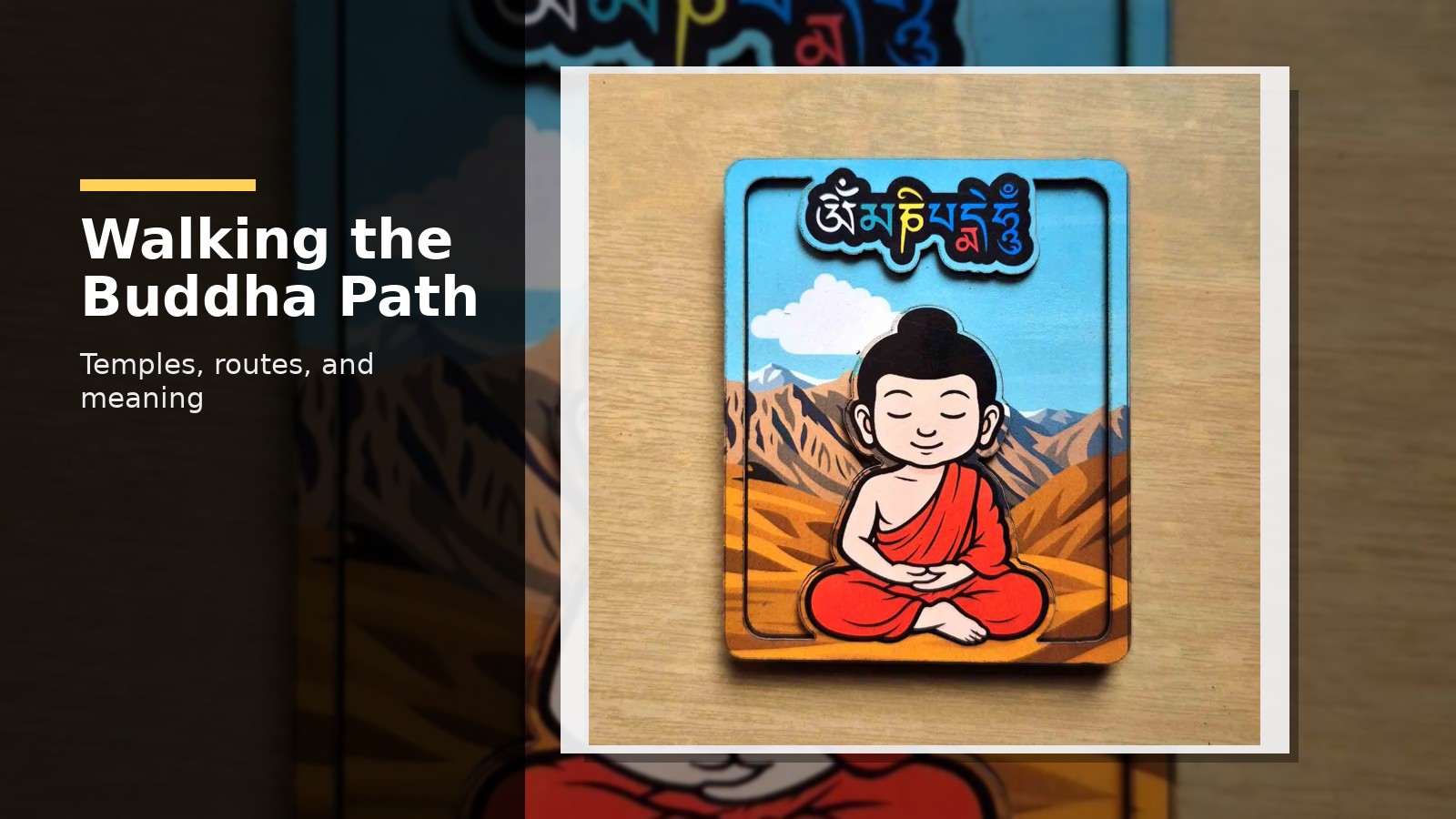
English Version
When people speak of a famous buddha temple, they are often speaking of more than a building of stone and prayer. They are speaking of a feeling—of silence that settles the heart, of incense rising like a soft memory, of footsteps that slow down naturally as if the mind itself has bowed. In Buddhist devotion, temples and pilgrimage routes are not only places to visit. They are living reminders of the Buddha’s teaching: compassion, awareness, and the gentle way out of suffering.
Among all the sacred places connected with Buddha, Bodh Gaya stands as the most beloved. It is here, under the Bodhi Tree, that Siddhartha Gautama attained enlightenment and became the Buddha. The Mahabodhi Temple, now recognized among the great spiritual landmarks of the world, draws pilgrims from India and beyond. People come not only to see a famous site, but to sit, reflect, chant, and remember that awakening begins within.
The sacred heart of a famous Buddha temple
At a famous Buddha temple, the atmosphere is often simple, yet deeply moving. You may see devotees walking slowly with folded hands, monks in saffron or maroon robes, prayer flags, lamps, flowers, and offerings of respect. There is no need for loudness. The space itself teaches stillness. This is the beauty of Buddhist sacred places: they do not overwhelm the seeker. They invite the seeker inward.
The Mahabodhi Temple at Bodh Gaya is especially revered because it marks the place of enlightenment. For Buddhists, this is not merely a historical location. It is the birthplace of awakening, the point where suffering met wisdom and the path of liberation became clear. That is why Bodh Gaya remains central to Buddhist pilgrimage traditions across the world.
Why Bodh Gaya is the anchor of the Buddha pilgrimage route
The Buddha pilgrimage route is often linked to four major sites associated with the life of the Buddha:
- Lumbini – the birthplace of Buddha
- Bodh Gaya – where he attained enlightenment
- Sarnath – where he gave his first sermon
- Kushinagar – where he attained Mahaparinirvana
Among these, Bodh Gaya often feels like the quiet center. If Lumbini is the dawn, Bodh Gaya is the deep noon of realization. This is why so many devotees and spiritual travelers begin or return there. They want to sit near the Bodhi Tree, walk the temple grounds, and feel the same message that has travelled through centuries: peace is possible, and wisdom can be lived.
As pilgrims move from one sacred site to another, they are not just covering geography. They are walking through the life of the Buddha itself. Each place carries a different mood and teaching. Together, these pilgrimage routes form a map of awakening.
Other famous Buddha temples and holy places
While Bodh Gaya is the most recognized, many other famous Buddha temple sites and Buddhist holy places hold great significance. Some are linked to ancient teachings, others to royal patronage, and many to the devotion of generations of seekers.
- Mahabodhi Temple, Bodh Gaya – the most sacred place of enlightenment
- Wat Pho, Bangkok – known for the Reclining Buddha and Thai Buddhist devotion
- Shwedagon Pagoda, Yangon – one of the most revered Buddhist sites in Myanmar
- Mahaparinirvana Temple, Kushinagar – marking the Buddha’s final liberation
- Wat Phra That Doi Suthep, Chiang Mai – a beloved mountain temple with deep regional devotion
Each temple has its own cultural form, but the inner spirit remains steady: remembrance, reverence, and the wish to follow the path of Dhamma. For many visitors, these places become more than destinations. They become turning points.
Symbols that speak without words
In Buddhist temples, symbolism is everywhere, but it is never loud. A lotus flower reminds devotees that purity can rise from muddy waters. The Bodhi Tree stands for awakening, patience, and the sheltering shade of insight. The wheel of Dharma points to the noble teachings and the movement of the path. The seated Buddha image often reflects calm, balance, and inner steadiness.
These symbols are part of why a famous buddha temple feels so powerful. Even before a person reads a prayer or hears a sermon, the space itself is already speaking. It says: be still, look inward, release fear, and begin again.
Why pilgrimage matters in Buddhism
Pilgrimage in Buddhism is not about collecting places like trophies. It is about deepening remembrance. A pilgrim visits sacred sites to honor the Buddha’s life, to renew faith, and to practice mindfulness in motion. The journey itself becomes part of the teaching.
Many devotees travel to Bodh Gaya and other holy places with humble offerings—flowers, lamps, incense, robes, or a quiet prayer. Some circle the temple grounds in meditation. Some chant. Some simply sit in silence. In each case, the heart is doing the real journey.
That is the beauty of Buddhist sacred travel: it does not demand performance. It asks for presence.
Festival significance and devotional atmosphere
Across Buddhist regions, major observances and festival days bring temples alive with special devotion. Buddha Purnima is especially important, as it commemorates the Buddha’s birth, enlightenment, and Mahaparinirvana in the broader devotional calendar of many communities. At such times, temples often glow with lamps, chanting, offerings, and collective prayer.
At Bodh Gaya and other holy sites, the atmosphere during festival periods can feel especially tender. Pilgrims arrive from many countries, languages mingle in the air, and yet the mood remains calm. The shared reverence creates a rare kind of unity. It reminds us that wisdom is universal, even when our customs differ.
The deeper sacred meaning of Buddha’s holy places
The sacred meaning of Buddha’s holy places lies in their message. The Buddha did not ask followers to worship him in the ordinary sense; he pointed toward the path. That is why temples, stupas, relic shrines, and pilgrimage routes matter so much. They are not ends in themselves. They are reminders of the path of awakening.
For a devotee, standing at a holy site can bring a strange and beautiful clarity. The mind becomes quieter. Gratitude becomes easier. The life of the Buddha feels less like distant history and more like a living invitation. This is the true gift of a famous Buddha temple: it helps the seeker remember what is worth nurturing within.
A small devotional reminder for home
Many people who love Buddhist travel and sacred places like to keep a small reminder of those journeys nearby—a photo, a prayer card, or a keepsake that quietly brings the memory back. If you enjoy travel-inspired devotional decor, you may also like the Mountain Buddha 3D Fridge Magnet, a peaceful little piece that carries the spirit of the journey into everyday space.
Frequently asked questions
Which is the most famous Buddha temple?
The Mahabodhi Temple in Bodh Gaya is widely regarded as the most famous Buddha temple because it marks the place of Buddha’s enlightenment.
What are the main Buddhist pilgrimage sites?
The four main pilgrimage sites are Lumbini, Bodh Gaya, Sarnath, and Kushinagar. Together, they trace the key moments in the Buddha’s life.
Why do devotees visit Buddha temples?
Devotees visit to pay respect, meditate, renew faith, and connect with the Buddha’s teachings in a sacred setting.
What is the spiritual meaning of the Bodhi Tree?
The Bodhi Tree symbolizes awakening, patience, and the moment of enlightenment under which Buddha realized the truth.
Is Buddha Purnima important at Buddhist temples?
Yes, Buddha Purnima is one of the most important observances. Temples are often decorated and filled with prayers, offerings, and devotional gatherings.
Hindi Version
जब कोई famous buddha temple की बात करता है, तो वह सिर्फ पत्थर की इमारत या पूजा-स्थान की बात नहीं होती। वह एक ऐसे सन्नाटे की बात होती है जिसमें मन खुद-ब-खुद धीमा पड़ जाता है। धूप की हल्की खुशबू, फूलों की कोमलता, और ध्यान में बैठी शांति—इन सबके बीच मंदिर एक जीवित स्मृति बन जाता है। बौद्ध परंपरा में मंदिर और तीर्थ-मार्ग केवल देखने की जगह नहीं हैं; वे करुणा, जागरूकता और मुक्ति के पथ की याद दिलाते हैं।
बुद्ध से जुड़े सभी पवित्र स्थलों में बोधगया सबसे अधिक श्रद्धा का केंद्र माना जाता है। यहीं बोधि वृक्ष के नीचे सिद्धार्थ गौतम को ज्ञान प्राप्त हुआ और वे बुद्ध कहलाए। महाबोधि मंदिर आज दुनिया के महान आध्यात्मिक स्थलों में गिना जाता है। यहाँ आने वाला हर यात्री केवल एक प्रसिद्ध स्थान नहीं देखता, बल्कि भीतर की जागृति को छूने आता है।
एक famous Buddha temple का पवित्र हृदय
बुद्ध मंदिरों का वातावरण अक्सर सरल होता है, लेकिन भीतर तक छू लेने वाला। कहीं भिक्षु ध्यान में बैठे हैं, कहीं प्रार्थना-पताकाएँ हवा में हिल रही हैं, कहीं दीपक जल रहे हैं, और कहीं श्रद्धालु हाथ जोड़कर धीरे-धीरे परिक्रमा कर रहे हैं। यहाँ शोर नहीं, ठहराव बोलता है। यही बौद्ध पवित्र स्थलों की सबसे बड़ी सुंदरता है—वे व्यक्ति को बाहर नहीं, भीतर की ओर बुलाते हैं।
महाबोधि मंदिर इसलिए सबसे अधिक पूजनीय है क्योंकि यह बुद्ध की ज्ञान-प्राप्ति का स्थान है। यह सिर्फ इतिहास नहीं, बल्कि जागृति का केंद्र है। यहीं से यह संदेश फैलता है कि दुःख का अंत संभव है और शांति का मार्ग भीतर से शुरू होता है।
बुद्ध तीर्थ-मार्ग में बोधगया का स्थान
बुद्ध के तीर्थ-मार्ग को अक्सर चार प्रमुख स्थलों से जोड़ा जाता है:
- लुम्बिनी – बुद्ध का जन्मस्थान
- बोधगया – जहाँ उन्हें ज्ञान प्राप्त हुआ
- सारनाथ – जहाँ उन्होंने पहला उपदेश दिया
- कुशीनगर – जहाँ उन्हें महापरिनिर्वाण प्राप्त हुआ
इन सबमें बोधगया अक्सर केंद्र की तरह लगता है। अगर लुम्बिनी भोर है, तो बोधगया वह गहरी दोपहर है जहाँ सत्य स्पष्ट होता है। इसी कारण अनेक श्रद्धालु बार-बार वहाँ लौटना चाहते हैं—बोधि वृक्ष के नीचे बैठकर, मंदिर-परिसर में चलकर, और उसी शांति को महसूस करके जो सदियों से यात्रियों को आकर्षित करती आई है।
अन्य प्रसिद्ध बुद्ध मंदिर और पवित्र स्थल
महाबोधि मंदिर के अलावा भी कई बौद्ध पवित्र स्थल अत्यंत प्रसिद्ध हैं:
- महाबोधि मंदिर, बोधगया – ज्ञान का सबसे पवित्र स्थान
- वाट फो, बैंकॉक – लेटे हुए बुद्ध के लिए प्रसिद्ध
- श्वेडागोन पगोडा, यांगून – म्यांमार का अत्यंत श्रद्धेय स्थल
- महापरिनिर्वाण मंदिर, कुशीनगर – बुद्ध के अंतिम महाप्रयाण का स्मारक
- वाट फ्रा थाट दोई सुथेप, चिआंग माई – पहाड़ी पर स्थित प्रिय मंदिर
हर मंदिर का स्थापत्य और संस्कृति अलग हो सकती है, लेकिन भीतर की भावना एक ही रहती है—स्मरण, श्रद्धा और धर्म-पथ की ओर लौटना।
बिना शब्दों के बोलते प्रतीक
बौद्ध मंदिरों में प्रतीक बहुत कुछ कहते हैं। कमल का फूल यह याद दिलाता है कि कीचड़ से भी पवित्रता खिल सकती है। बोधि वृक्ष जागृति, धैर्य और छाया देने वाले ज्ञान का प्रतीक है। धर्मचक्र बुद्ध के उपदेश और मार्ग के निरंतर चलने का संकेत देता है। शांत मुद्रा में बैठे बुद्ध की प्रतिमा संतुलन और अंतर्मन की स्थिरता को दर्शाती है।
इसी कारण famous buddha temple केवल देखने का स्थान नहीं लगता, वह भीतर कुछ जगा देता है। वह कहता है—रुको, देखो, छोड़ो, और फिर से प्रारंभ करो।
बौद्ध धर्म में तीर्थयात्रा का महत्व
बौद्ध परंपरा में तीर्थयात्रा केवल स्थानों की गिनती नहीं है। यह स्मरण को गहरा करने की साधना है। श्रद्धालु पवित्र स्थलों पर जाकर बुद्ध के जीवन का सम्मान करते हैं, अपनी श्रद्धा को नया करते हैं, और चलते-फिरते ध्यान का अभ्यास करते हैं।
कई लोग फूल, दीप, धूप या मौन प्रार्थना लेकर आते हैं। कोई मंदिर की परिक्रमा करता है, कोई मंत्र-जप करता है, कोई बस चुपचाप बैठ जाता है। लेकिन हर बार यात्रा मन की होती है।
उत्सवों का भाव और मंदिरों की रौनक
बौद्ध समुदायों में बुद्ध पूर्णिमा का विशेष महत्व है। यह बुद्ध के जन्म, ज्ञान-प्राप्ति और महापरिनिर्वाण—तीनों की स्मृति से जुड़ा पवित्र अवसर माना जाता है। इस समय मंदिर दीपों, पुष्पों, प्रार्थनाओं और सामूहिक श्रद्धा से भर जाते हैं।
बोधगया और अन्य पवित्र स्थलों पर इस समय वातावरण बहुत कोमल और भावपूर्ण हो जाता है। अलग-अलग भाषाओं के यात्री आते हैं, पर श्रद्धा एक ही रहती है। यह एकता अपने-आप में बहुत सुंदर है।
बुद्ध के पवित्र स्थलों का गहरा अर्थ
बुद्ध के पवित्र स्थलों का सबसे गहरा अर्थ उनके संदेश में है। बुद्ध ने केवल पूजा की बात नहीं की; उन्होंने मार्ग दिखाया। इसलिए मंदिर, स्तूप, अवशेष-स्थल और तीर्थ-मार्ग महत्वपूर्ण हैं। वे स्वयं लक्ष्य नहीं, बल्कि जागृति की याद हैं।
किसी पवित्र स्थल पर खड़े होकर मन अजीब-सी स्पष्टता महसूस करता है। कृतज्ञता सहज हो जाती है। बुद्ध का जीवन दूर का इतिहास नहीं, बल्कि एक जीवित आमंत्रण लगता है। यही किसी famous buddha temple की सबसे बड़ी देन है।
घर के लिए एक छोटा devotional reminder
जो लोग बौद्ध तीर्थ-यात्रा और पवित्र स्थलों को अपने करीब रखना चाहते हैं, वे अक्सर एक छोटा-सा स्मृति-चिह्न भी साथ रखते हैं। यदि आपको यात्रा-प्रेरित सजावट पसंद है, तो Mountain Buddha 3D Fridge Magnet एक शांत और सुंदर विकल्प हो सकता है, जो रोज़मर्रा के स्थान में यात्रा की स्मृति और शांति दोनों ला देता है।
अक्सर पूछे जाने वाले प्रश्न
सबसे प्रसिद्ध Buddha temple कौन-सा है?
महाबोधि मंदिर, बोधगया को सबसे प्रसिद्ध बुद्ध मंदिरों में गिना जाता है क्योंकि यही बुद्ध के ज्ञान-प्राप्ति का स्थान है।
मुख्य बौद्ध तीर्थस्थल कौन-से हैं?
लुम्बिनी, बोधगया, सारनाथ और कुशीनगर चार प्रमुख बौद्ध तीर्थस्थल हैं।
श्रद्धालु बुद्ध मंदिर क्यों जाते हैं?
वे श्रद्धा, ध्यान, स्मरण और शांति के लिए मंदिरों में जाते हैं।
बोधि वृक्ष का आध्यात्मिक अर्थ क्या है?
बोधि वृक्ष जागृति, धैर्य और उस क्षण का प्रतीक है जब बुद्ध को सत्य का बोध हुआ।
क्या बुद्ध पूर्णिमा मंदिरों में विशेष रूप से मनाई जाती है?
हाँ, यह बहुत महत्वपूर्ण अवसर है और इस दिन मंदिरों में पूजा, दीप, भजन/जप और सामूहिक श्रद्धा देखने को मिलती है।