
Durga Maa Significance: Regional Forms, Local Traditions, and Worship Styles
April 21, 2026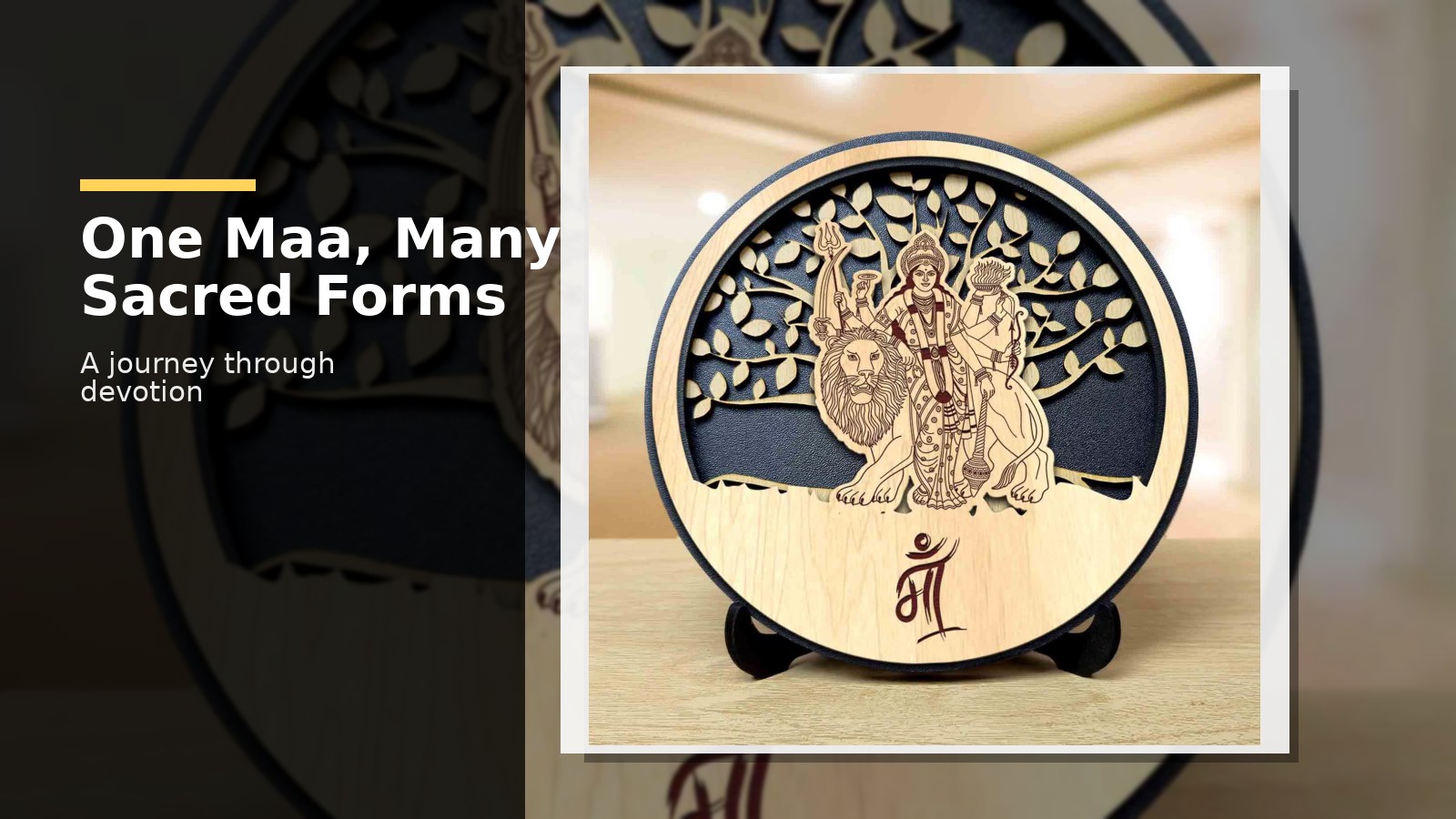
English Version
When we speak of durga maa significance, we are not only speaking of one goddess in one form. We are speaking of a living devotion that changes gently from place to place, like the same prayer being sung in different tunes by different homes. In Bengal, she arrives as the beloved daughter who returns to her maternal home. In Gujarat, she is welcomed through Garba and dandiya nights. In Himachal, Odisha, Assam, Bihar, and many other regions, her worship carries local colours, local rhythms, and local tenderness. Yet the heart of it remains the same: Maa Durga is the mother who protects, empowers, and blesses.
This is why her presence feels so intimate to devotees. She is fierce, but never distant. She is radiant, but never unapproachable. She is the warrior who fights darkness, and also the mother who listens to a child’s whispered fear in the quiet of the pooja room.
The Many Faces of Maa Durga
One beautiful truth about Durga Maa is that she is loved through regional forms and familiar names. The form may change, the local custom may change, but the devotion stays deep.
- Shailputri is remembered as the daughter of the mountain, symbolizing strength and purity.
- Mahishasuramardini is the victorious form who destroys evil and restores dharma.
- Jagatjanani is worshipped as the mother of the universe.
- Ambe Maa, Chandika, Bhavani, and Ambaji are names devotees use with love in different regions.
These names are not just titles. They carry the memory of local faith, village shrines, family traditions, and the everyday hope that Maa will stand by her children.
Durga Maa Significance in Bengal and the Spirit of Durga Puja
In Bengal, the durga maa significance becomes especially emotional during Durga Puja. Here, Maa is not only worshipped; she is welcomed. The clay idol, the pandal, the fragrance of dhuno, the sound of dhak, and the feeling of family reunion all come together like a grand devotional story.
For many Bengalis, Durga Puja is more than a festival. It is an annual homecoming of the goddess. She is seen as a daughter returning with her children—Lakshmi, Saraswati, Kartikeya, and Ganesha. This is why the farewell, the visarjan, feels so tender. It is not only ritual; it is separation mixed with prayer and promise.
In many homes, especially during the days of worship, people keep simple offerings, recite hymns, and decorate their puja corners with flowers and lamps. Even a small idol can become the center of a grand feeling when the heart is full of devotion.
Local Traditions Across India
Across regions, the worship of Durga Maa carries local beauty. Some traditions are grand and public; some are quiet and deeply personal.
Eastern India
In Bengal, Assam, and Odisha, Durga worship often becomes a community celebration. The rituals may include elaborate pandals, sacred chants, and traditional offerings. In Assam, devotees also remember Maa through forms like Kamakhya and regional Shakti worship traditions that honour divine feminine power.
Western India
In Gujarat, Navratri takes the form of energetic dance and night-long devotion. The music, movement, and bright attire are not just celebration; they are offerings of joy to the Mother Goddess. In Rajasthan and Maharashtra too, many families observe fasting, sing aartis, and keep the spirit of Shakti alive in temples and homes.
Northern India
In North India, Durga Maa is often worshipped in temples and household altars with simplicity and faith. The emphasis is on purity, prayer, fasting, and recitation of the Durga Saptashati or other devotional texts. For many devotees, the strength of the worship lies in sincerity, not size.
Southern India
In the South, the goddess is honoured in forms such as Amman, Devi, Bhadrakali, and Chamundeshwari. Though names and rituals vary, the spirit is the same: reverence for the divine mother who protects the home, the land, and the family.
Symbols That Carry Her Power
Durga Maa is often shown riding a lion or tiger, holding weapons in her many hands. These symbols speak softly but powerfully.
- Lion or tiger: courage, confidence, and mastery over fear
- Weapons: protection, discipline, and the power to destroy injustice
- Lotus: purity and spiritual awakening
- Many arms: the ability to protect devotees in countless ways
- Serene face: grace even in the midst of power
Every symbol tells a story. Maa is not violent for its own sake; she is the guardian who removes suffering so that truth can breathe again.
Famous Temples and Sacred Places of Worship
Across India, many temples honour Durga Maa in forms that are deeply beloved by devotees. Some of the most well-known include:
- Vaishno Devi in Jammu, where devotees undertake a memorable pilgrimage with deep faith.
- Kamakhya Temple in Assam, one of the most important Shakti sites.
- Jwala Ji in Himachal Pradesh, revered for its eternal flame and sacred energy.
- Kalighat Kali Temple in Kolkata, where the divine feminine is worshipped with intense devotion.
- Chamundeshwari Temple in Mysuru, strongly linked with the victorious energy of the goddess.
Each place has its own atmosphere. Some are filled with mountain silence, some with temple bells, some with the footsteps of countless pilgrims. Yet all point toward the same motherly power.
Festival Importance and the Meaning of Navratri
The worship of Durga Maa becomes especially vibrant during Navratri and Durga Puja. These festivals remind devotees that spiritual strength is not separate from daily life. It lives in discipline, prayer, gratitude, and courage.
During Navratri, many devotees fast, sing devotional songs, offer flowers, and keep a small image or idol of Maa in their prayer space. In some homes, the nine days are seen as a time to cleanse the mind, simplify food, and increase devotion. In others, the celebration is marked by community gathering, dance, and shared meals. The form may differ, but the inner feeling is one of surrender and renewal.
Why Durga Maa Feels So Close to the Heart
The deeper durga maa significance lies in this: she is not only a deity of festivals. She is the strength people call upon when life feels heavy. She is the mother remembered before exams, before journeys, before weddings, before difficult decisions, and during moments of grief.
For many families, saying her name is itself a comfort. A mother teaches courage. A grandmother tells the child, “Maa will take care.” That feeling is at the center of Durga devotion. She is divine, yes, but she is also deeply familiar.
That is why her worship styles can be grand or simple, traditional or regional, but they always feel alive. She meets people where they are.
A Gentle Presence for Home and Prayer
For devotees who want a peaceful reminder of Maa’s blessings in a home temple, office desk, or prayer corner, a carefully made spiritual idol can help create that sacred mood. The Maa Durga Round Engraved Idol offers a subtle devotional presence that fits beautifully into everyday worship and festive decor.
Whether placed near a lamp, flowers, or beside your puja items, such a piece can become a small but meaningful part of your daily connection with the Mother Goddess.
FAQ
What is the main durga maa significance?
Durga Maa represents divine शक्ति, protection, courage, and the victory of good over evil. Her worship reminds devotees to stay strong and faithful through life’s struggles.
Why is Durga Maa worshipped differently in different regions?
Because devotion grows within local culture. Each region expresses the same faith through its own music, rituals, offerings, language, and festival style.
What is the meaning of Durga Puja?
Durga Puja celebrates the arrival of Maa Durga, her victory over Mahishasura, and the joy of welcoming the goddess as a beloved mother and protector.
Which are some famous forms of the goddess?
Devotees may worship her as Shailputri, Chandika, Bhavani, Ambe Maa, Chamundeshwari, or in many other local names and temple traditions.
Is Navratri related to Durga Maa?
Yes. Navratri is one of the most important festivals dedicated to Durga Maa and her nine divine forms.
Conclusion
From the hills to the river plains, from grand pandals to quiet home altars, Durga Maa travels through India in many beloved forms. Her worship changes its dress, but not its heart. That is the true beauty of her devotion. Wherever her name is spoken with faith, there the mother’s strength arrives.
And if you are looking for a graceful way to keep that devotional feeling close, you may explore the related product on our store: the Maa Durga Round Engraved Idol.
हिन्दी संस्करण
जब हम durga maa significance की बात करते हैं, तो हम केवल एक देवी की नहीं, बल्कि एक ऐसी जीवित भक्ति की बात करते हैं जो हर प्रदेश में अपने अलग रंग से खिलती है। कहीं माँ बेटी बनकर घर आती हैं, कहीं शक्ति बनकर दुर्गम को मिटाती हैं, और कहीं लोक-परंपराओं में गाँव-गाँव, घर-घर पूजी जाती हैं। नाम अलग हो सकते हैं, रीति अलग हो सकती है, लेकिन श्रद्धा एक ही रहती है—माँ दुर्गा, जो रक्षक भी हैं और पालक भी।
उनकी सबसे बड़ी खूबसूरती यही है कि वे भयभीत करने वाली नहीं, बल्कि भय हरने वाली हैं। वे तलवार भी धारण करती हैं, और करुणा भी। वे सिंह पर सवार हैं, पर भक्त के हृदय में ममता से विराजती हैं।
माँ दुर्गा के अनेक रूप
भारत के अलग-अलग क्षेत्रों में माँ दुर्गा को अलग-अलग नामों और रूपों से पूजा जाता है। रूप बदलता है, पर भाव वही रहता है।
- शैलपुत्री पर्वत-पुत्री के रूप में स्थिरता और पवित्रता का प्रतीक हैं।
- महिषासुरमर्दिनी अन्याय और अधर्म पर विजय का रूप हैं।
- जगतजननी समस्त संसार की माता के रूप में पूजी जाती हैं।
- अम्बे माँ, चण्डिका, भवानी, और अम्बाजी जैसे नाम भक्त प्रेम से लेते हैं।
ये केवल नाम नहीं हैं, बल्कि लोक-विश्वास, पारिवारिक परंपरा और पीढ़ियों से चली आ रही श्रद्धा के स्वर हैं।
बंगाल में Durga Maa Significance और दुर्गा पूजा
बंगाल में durga maa significance का सबसे भावुक रूप दुर्गा पूजा में दिखाई देता है। यहाँ माँ का स्वागत बेटी की तरह होता है। पंडाल, ढाक की थाप, धूप-धुनो की सुगंध, और घर लौटने का भाव—सब मिलकर एक जीवंत आध्यात्मिक कथा बना देते हैं।
बंगाल के अनेक परिवारों में दुर्गा पूजा केवल उत्सव नहीं, माँ के आगमन का आनंद है। विसर्जन का क्षण भी इसलिए बहुत भावुक होता है, क्योंकि विदाई में भी प्रेम होता है और अगले वर्ष फिर आने की आशा भी।
भारत भर की स्थानीय परंपराएँ
देश के हर हिस्से में माँ दुर्गा की पूजा अपने स्थानीय रंग में होती है। कहीं यह सामुदायिक उत्सव है, कहीं घरेलू आराधना, और कहीं उपवास, मंत्र-पाठ और आरती का सरल परन्तु गहरा रूप।
पूर्वी भारत
बंगाल, असम और ओडिशा में माँ दुर्गा की पूजा बहुत गहन और सामूहिक होती है। असम में शक्ति-उपासना की परंपरा विशेष रूप से प्रख्यात है।
पश्चिमी भारत
गुजरात में नवरात्रि केवल नृत्य नहीं, बल्कि भक्ति का उत्सव है। गरबा और डांडिया के माध्यम से भक्त आनंदपूर्वक माँ को अर्पण करते हैं।
उत्तर भारत
उत्तर भारत में कई घरों और मंदिरों में माँ की पूजा सादगी, उपवास और पाठ के साथ की जाती है। यहाँ श्रद्धा की गहराई ही सबसे बड़ा अलंकार है।
दक्षिण भारत
दक्षिण भारत में देवी को अम्मन, देवी, भद्रकाली, और चामुंडेश्वरी जैसे रूपों में पूजा जाता है। नाम अलग होते हुए भी मातृशक्ति का भाव एक ही रहता है।
माँ के प्रतीक और उनका अर्थ
माँ दुर्गा का हर प्रतीक एक गहरा संदेश देता है।
- सिंह या बाघ: साहस और निर्भयता
- हथियार: संरक्षण और अन्याय-विनाश
- कमल: पवित्रता और जागृति
- अनेक भुजाएँ: भक्तों की अनेक प्रकार से रक्षा
- शांत मुखमंडल: शक्ति के साथ करुणा
माँ हिंसा की देवी नहीं, बल्कि धर्म की रक्षा करने वाली करुणामयी शक्ति हैं।
प्रसिद्ध मंदिर और पवित्र स्थान
देशभर में माँ दुर्गा के अनेक प्रसिद्ध स्थल हैं, जहाँ भक्त दूर-दूर से दर्शन के लिए आते हैं:
- वैष्णो देवी — जम्मू
- कामाख्या मंदिर — असम
- ज्वाला जी — हिमाचल प्रदेश
- कालीघाट काली मंदिर — कोलकाता
- चामुंडेश्वरी मंदिर — मैसूर
इन सभी स्थानों में देवी का रूप अलग दिखता है, पर अनुभूति वही रहती है—माँ की शरण।
नवरात्रि और दुर्गा पूजा का आध्यात्मिक महत्व
नवरात्रि और दुर्गा पूजा माँ दुर्गा की उपासना के सबसे महत्वपूर्ण पर्व हैं। इन दिनों उपवास, भजन, दीप, पुष्प, और साधना के माध्यम से भक्त अपने मन को शुद्ध करने का प्रयास करते हैं।
कई घरों में छोटी-सी मूर्ति या तस्वीर के सामने रोज़ आरती की जाती है। कहीं सामूहिक उत्सव होता है, कहीं बहुत शांत आराधना। पर हर जगह भाव एक ही रहता है—माँ की कृपा और शक्ति की कामना।
दिल के बहुत करीब क्यों लगती हैं माँ दुर्गा?
durga maa significance का सबसे सुंदर अर्थ यही है कि वे जीवन के कठिन समय में सहारा बनती हैं। परीक्षा से पहले, यात्रा से पहले, विवाह के समय, संकट के क्षणों में, और दुख की घड़ी में—भक्त उनका नाम लेकर धैर्य पाते हैं।
माँ का नाम लेते ही जैसे घर का बड़ों वाला स्नेह याद आ जाता है—“डर मत, माँ हैं न।” यही भाव दुर्गा भक्ति की आत्मा है।
घर और पूजा स्थान में माँ की उपस्थिति
जो भक्त अपने घर के मंदिर, पूजा कोने, या ऑफिस डेस्क पर माँ की शांत उपस्थिति चाहते हैं, उनके लिए एक सुंदर devotional piece बहुत अर्थपूर्ण हो सकता है। Maa Durga Round Engraved Idol घर या कार्यस्थल में भक्ति का सौम्य वातावरण बनाने में सहायक हो सकता है।
FAQ
माँ दुर्गा का मुख्य महत्व क्या है?
माँ दुर्गा शक्ति, सुरक्षा, साहस और अधर्म पर धर्म की विजय का प्रतीक हैं।
अलग-अलग क्षेत्रों में उनकी पूजा अलग क्यों है?
क्योंकि हर क्षेत्र अपनी स्थानीय संस्कृति, संगीत, भाषा और परंपरा के अनुसार भक्ति व्यक्त करता है।
दुर्गा पूजा का क्या अर्थ है?
दुर्गा पूजा माँ के आगमन, महिषासुर पर विजय, और भक्तों के हृदय में देवी के स्वागत का पर्व है।
क्या नवरात्रि माँ दुर्गा से जुड़ी है?
हाँ, नवरात्रि माँ दुर्गा और उनके नौ रूपों की उपासना का प्रमुख पर्व है।
माँ दुर्गा के कौन-कौन से प्रसिद्ध रूप हैं?
शैलपुत्री, चण्डिका, भवानी, अम्बे माँ, चामुंडेश्वरी, और अन्य कई स्थानीय रूप भक्तों द्वारा पूजे जाते हैं।
समापन
पहाड़ों से लेकर मैदानों तक, भव्य पंडालों से लेकर छोटे घरों के मंदिरों तक, माँ दुर्गा हर जगह अलग रूप में, पर एक ही ममता के साथ विराजती हैं। यही उनकी भक्ति की सुंदरता है—रूप अनेक, भाव एक। जहाँ श्रद्धा है, वहाँ माँ की शक्ति अवश्य पहुँचती है।
और यदि आप उस भावना को अपने घर या पूजा स्थान में पास रखना चाहते हैं, तो हमारे स्टोर पर Maa Durga Round Engraved Idol भी देख सकते हैं।