
Buddha Festival Significance: Rituals, Devotion, and Peace
April 19, 2026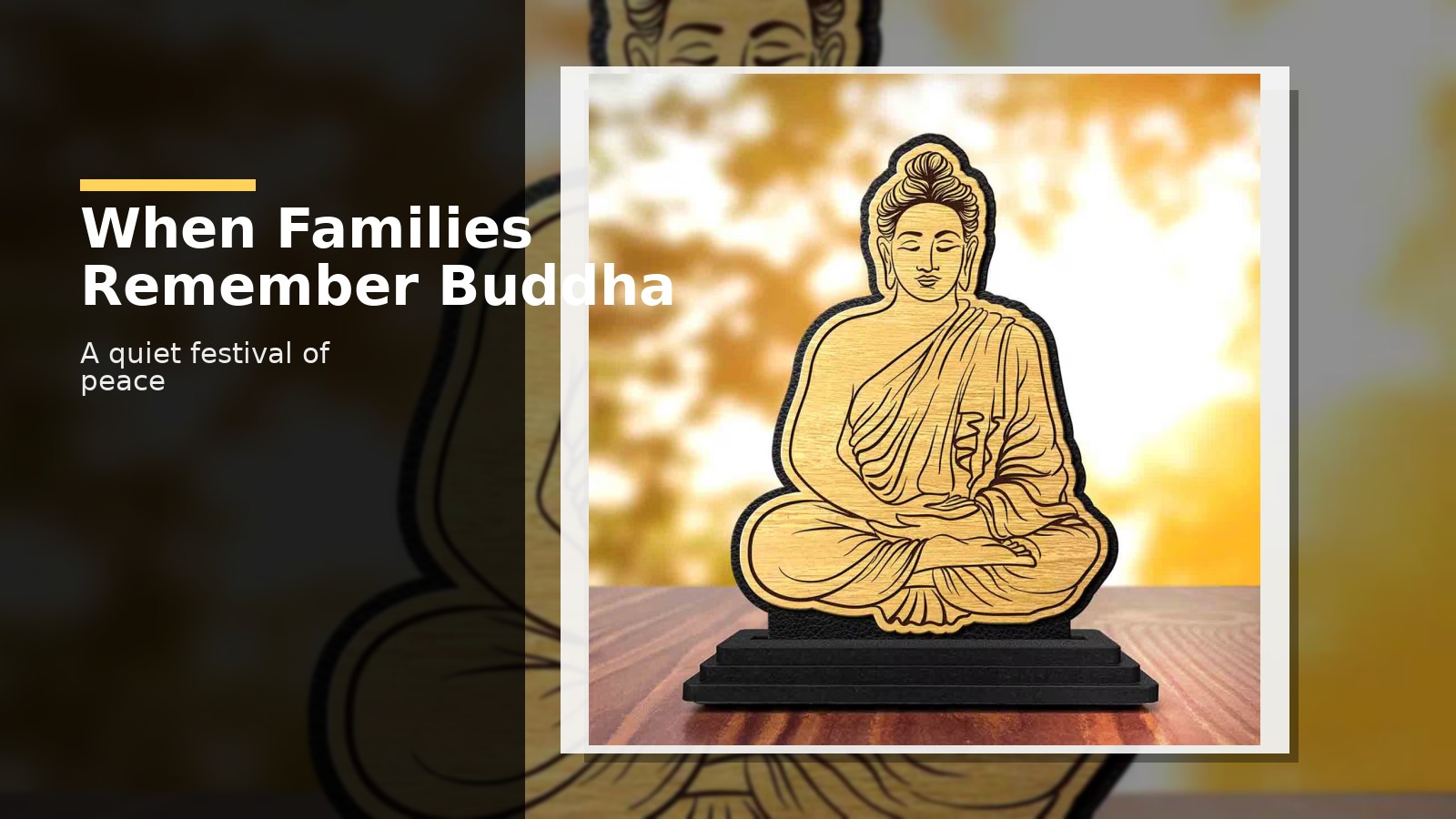
English Version
There are some festivals that arrive with drums, some with lamps, and some with a silence so gentle that it feels like prayer itself. The buddha festival significance is like that. It is not only about remembering a great teacher; it is about returning, for one day, to the calm path of compassion, restraint, and inner peace that Lord Buddha showed the world.
In many homes, this remembrance is not loud. It begins with a clean corner, a fresh flower, a diya, and a moment of folded hands. Someone may softly recite a prayer, someone else may sit quietly in meditation, and the elders may tell the children why this day matters. That is how devotion lives in families—not as performance, but as love passed gently from one generation to the next.
Who Lord Buddha Is in Devotional Memory
Lord Buddha is remembered as the Enlightened One, the one who awakened to truth under the Bodhi tree and shared a path of wisdom, compassion, and non-violence. For devotees and followers, he is not only a historical spiritual figure, but also a symbol of calm understanding in a restless world.
When people speak of Buddha in a devotional setting, they often remember his teaching that suffering can be understood, transformed, and eased through right living, mindful thought, and kindness. This is why his presence in festival worship feels so special. It reminds the heart to slow down.
Buddha Festival Significance in the Home
The buddha festival significance becomes especially deep when it enters the home. A festival day is often seen as a sacred pause—a time to step away from ordinary hurry and create a small space for remembrance. Families may clean the prayer area, light incense, place flowers, and sit together with a peaceful mind.
For many, the day is less about grandeur and more about inner discipline. The ritual itself may be simple, yet the feeling behind it is vast. A single diya can become a symbol of knowledge. A quiet chant can become a reminder to speak gently. A bowl of water or fresh offering can become a sign of purity and respect.
- Cleaning the worship space to welcome peace and clarity
- Offering flowers as a sign of reverence and gratitude
- Lighting a diya or candle to symbolize wisdom and awakening
- Reciting prayers or sutras with attention and devotion
- Practicing silence or meditation to honor Buddha’s message
Rituals That Carry Meaning
Rituals around Buddha are often gentle, but their meaning is deep. In Buddhist traditions, devotees may visit monasteries or temples, listen to teachings, offer incense, and participate in meditation. In homes, people may bow before the image of Buddha, reflect on his teachings, or simply sit together in a peaceful atmosphere.
These acts are not meant to impress. They are meant to transform the mind. That is the beauty of Buddha worship. The ritual is a doorway, and what lies beyond it is stillness.
Common devotional practices include:
- Puja with flowers, incense, and lamps
- Vrat or fasting by some devotees as an act of discipline
- Meditation to cultivate awareness and compassion
- Charity and generosity as a living form of worship
- Reading teachings or listening to Buddha’s life story
Why Buddha’s Teachings Matter During Festivals
Festivals often make us think of joy, but Buddha’s remembrance adds another layer: wisdom. The real gift of the day is not only that we celebrate him, but that we remember the values he stood for. Patience, non-violence, self-control, compassion, and mindfulness—these are not old words. They are living guidance.
In a home filled with festival preparations, Buddha’s message quietly asks: can we celebrate without excess, love without harm, and pray without forgetting kindness? That question itself is part of the blessing.
Temple Traditions and Sacred Places of Worship
Across Buddhist lands and pilgrimage traditions, temples and monasteries hold a special stillness. Devotees come with flowers, prayers, and a bowed head. They may walk around sacred spaces, listen to monks, or offer food and lamps. The atmosphere is often simple, yet it carries a deep sense of devotion.
Famous sacred places associated with Buddha’s life and memory include Bodh Gaya, where he attained enlightenment; Sarnath, where he gave his first sermon; Kushinagar, associated with his Mahaparinirvana; and Lumbini, his birthplace. These places are not just locations on a map. They are living reminders of a spiritual journey that continues to inspire millions.
Symbols Connected with Buddha Worship
When families or devotees create a Buddha corner at home, they often choose symbols that reflect peace and awakening. Each symbol carries quiet meaning.
- Bodhi tree for enlightenment and awakening
- Lotus for purity rising above the world
- Serene seated posture for meditation and balance
- Dharmachakra for the turning of truth and teaching
- Open palms or gentle mudras for compassion and reassurance
These symbols help devotees remember that Buddha’s presence is not about fear or display. It is about clarity, mercy, and inward strength.
A Family Story of Worship and Memory
Many homes remember Buddha in a way that feels tender and personal. A grandmother may light the lamp first. A father may place fresh water and flowers. A child may ask why everyone has become so quiet. And the answer comes softly: because today we remember a teacher who showed that peace begins inside the heart.
This kind of worship is beautiful because it is lived, not only spoken. The children learn that devotion can be calm. The elders feel that faith can be gentle. And the whole home, even if only for a little while, becomes lighter.
Devotional Importance Beyond One Day
The true buddha festival significance does not end when the lamps are extinguished. It continues in the way we speak to one another, in the patience we show in traffic, in the kindness we offer to family, and in the self-control we practice when life feels difficult.
That is why Buddha’s festival is so moving. It does not ask for noise. It asks for transformation. It invites us to carry peace beyond the prayer room and into daily life.
How Devotees Keep the Spirit Alive at Home
Some families keep a small Buddha image or statue in their puja area, meditation room, or quiet corner as a reminder of Buddha’s presence and teachings. The purpose is never decoration alone. It is remembrance. A calm form can help the mind settle and the heart soften.
If you wish to create such a serene space, a thoughtfully crafted Buddha idol can be a gentle addition. For example, you may explore the related product on our store. It is a compact wooden piece designed for peaceful home decor and devotional corners.
Frequently Asked Questions
Why is Buddha festival significance important?
It is important because it reminds devotees of Buddha’s teachings on compassion, wisdom, mindfulness, and peace. The festival is not only a celebration but also a spiritual reset.
What rituals are commonly done during Buddha worship?
Common rituals include cleaning the worship area, offering flowers and incense, lighting lamps, chanting prayers, meditating, and sometimes observing vrat or acts of charity.
Is Buddha worship only for temples and monasteries?
No. Many people worship Buddha at home as well. A simple prayer corner, a clean space, and sincere remembrance are often enough to create a peaceful devotional atmosphere.
What does the lotus symbol mean in Buddha devotion?
The lotus represents purity, spiritual awakening, and the ability to rise above difficulties while remaining unstained by the world.
Which places are most sacred in Buddha’s life story?
Bodh Gaya, Sarnath, Kushinagar, and Lumbini are among the most sacred places connected with Buddha’s life, teachings, and enlightenment.
Hindi Version
कुछ त्योहार शोर के साथ आते हैं, कुछ दीपों के साथ, और कुछ ऐसे होते हैं जिनमें एक नरम-सी खामोशी खुद पूजा बन जाती है। buddha festival significance यानी बुद्ध पर्व का महत्व भी कुछ ऐसा ही है। यह केवल एक महान गुरु को याद करने का दिन नहीं, बल्कि उस शांत मार्ग पर लौटने का अवसर है जहाँ करुणा, संयम, और भीतर की शांति बसती है।
घर में जब यह स्मरण होता है, तो वह बहुत सादगी से होता है। पूजा की जगह साफ की जाती है, एक दीया जलता है, फूल रखे जाते हैं, और हाथ जोड़कर कुछ पल मौन बैठा जाता है। दादी या नानी बच्चों को धीरे-धीरे बताती हैं कि यह दिन क्यों खास है। यही तो असली भक्ति है—जो पीढ़ियों से प्रेम की तरह उतरती है।
भगवान बुद्ध कौन हैं?
भगवान बुद्ध को ज्ञान प्राप्त करने वाले, जाग्रत पुरुष के रूप में स्मरण किया जाता है। बोधि वृक्ष के नीचे उन्होंने सत्य को जाना और संसार को करुणा, अहिंसा, और सही जीवन-मार्ग का संदेश दिया।
भक्ति की भाषा में बुद्ध केवल इतिहास का नाम नहीं हैं; वे शांत चित्त, विवेक, और जागरूकता के प्रतीक हैं। इसलिए बुद्ध की पूजा या स्मरण मन को धीमा करने, संभालने, और भीतर की उलझन को सुलझाने जैसा लगता है।
घर में Buddha Festival Significance
घर में buddha festival significance बहुत गहराई से महसूस होता है। यह दिन हमें रोज़मर्रा की भागदौड़ से कुछ समय निकालकर भीतर झाँकने का अवसर देता है। परिवार पूजा स्थान को साफ करता है, फूल चढ़ाता है, धूप-दीप जलाता है, और शांत मन से प्रार्थना करता है।
यहाँ भव्यता से अधिक भावना महत्त्वपूर्ण होती है। एक दीया ज्ञान का प्रतीक बन जाता है। एक फूल श्रद्धा का। एक शांत प्रार्थना करुणा की याद दिलाती है।
- पूजा स्थान की सफाई ताकि शांति और पवित्रता बनी रहे
- फूल अर्पित करना श्रद्धा और कृतज्ञता का संकेत है
- दीया जलाना ज्ञान और जागरण का प्रतीक है
- मंत्र या सूत्र का पाठ मन को एकाग्र करता है
- मौन या ध्यान बुद्ध के संदेश को भीतर उतारता है
रिवाज़ और पूजा परंपराएँ
बुद्ध से जुड़ी पूजा परंपराएँ बहुत कोमल होती हैं, लेकिन उनका अर्थ गहरा होता है। मंदिरों और विहारों में लोग धूप, दीप, पुष्प, और श्रद्धा अर्पित करते हैं। कई स्थानों पर ध्यान, प्रवचन, और सामूहिक प्रार्थना भी की जाती है।
घर में भी लोग बुद्ध की प्रतिमा के सामने नमन करते हैं, उनके उपदेशों का स्मरण करते हैं, और शांत वातावरण में बैठते हैं। इन रिवाज़ों का उद्देश्य दिखावा नहीं, मन का परिवर्तन है।
सामान्य devotional practices:
- पूजा फूल, दीप, और धूप के साथ
- व्रत कुछ भक्त अनुशासन के रूप में रखते हैं
- ध्यान जागरूकता और करुणा के लिए
- दान भक्ति का जीवंत रूप
- बुद्ध-चरित या उपदेशों का पाठ
त्योहार में बुद्ध की शिक्षाओं का महत्व
त्योहार हमें खुशी देता है, लेकिन बुद्ध की याद उसमें ज्ञान की परत जोड़ती है। यह दिन हमें केवल उत्सव नहीं, बल्कि जीवन-मूल्य भी देता है—करुणा, धैर्य, अहिंसा, संयम, और mindfulness यानी सजगता।
जब घर में उत्सव की तैयारी होती है, तब बुद्ध का संदेश धीरे से पूछता है: क्या हम बिना अति के आनंद मना सकते हैं? क्या हम किसी को दुख पहुँचाए बिना प्रेम कर सकते हैं? यही प्रश्न इस पर्व को और गहरा बनाते हैं।
बुद्ध से जुड़ी मंदिर और तीर्थ परंपराएँ
बौद्ध परंपराओं में मंदिर और विहार अत्यंत शांत स्थान माने जाते हैं। भक्त वहाँ फूल, प्रार्थना, और झुककर श्रद्धा अर्पित करते हैं। कुछ स्थानों पर दीपदान, भोजन-दान, और ध्यान की परंपरा भी होती है।
बुद्ध के जीवन से जुड़े प्रमुख पवित्र स्थानों में बोधगया, सारनाथ, कुशीनगर, और लुम्बिनी का नाम विशेष रूप से लिया जाता है। ये केवल स्थान नहीं, बल्कि आध्यात्मिक स्मृति के जीवंत केंद्र हैं।
बुद्ध पूजा से जुड़े प्रतीक
घर में बुद्ध की शांति को दर्शाने के लिए लोग कई प्रतीकों का उपयोग करते हैं। हर प्रतीक का अपना अर्थ होता है।
- बोधि वृक्ष — जागरण और ज्ञान
- कमल — पवित्रता और उन्नति
- ध्यानमग्न मुद्रा — संतुलन और स्थिरता
- धर्मचक्र — सत्य और उपदेश का चक्र
- कोमल हस्त-मुद्राएँ — करुणा और आश्वासन
घर की एक छोटी-सी कथा
कई घरों में बुद्ध को याद करने का ढंग बहुत अपनापन भरा होता है। दादी पहले दीया जलाती हैं, पिता जल और फूल रखते हैं, और बच्चा पूछता है—इतनी चुप्पी क्यों है? जवाब आता है—क्योंकि आज हम उस गुरु को याद कर रहे हैं जिन्होंने सिखाया कि शांति पहले मन में पैदा होती है।
ऐसी पूजा में एक विशेष सुकून होता है। बच्चे सीखते हैं कि भक्ति कोमल हो सकती है। बड़े महसूस करते हैं कि आस्था शांत भी हो सकती है। और घर का वातावरण कुछ देर के लिए हल्का, उजला, और निर्मल हो जाता है।
भक्ति का असर केवल एक दिन तक नहीं
buddha festival significance सिर्फ़ उस दिन तक सीमित नहीं है जब दीये जलाए जाते हैं। इसका असर अगले दिन की बोलचाल, व्यवहार, धैर्य, और करुणा में दिखना चाहिए।
यही बुद्ध का सुंदर संदेश है—उत्सव मनाओ, लेकिन अपने भीतर परिवर्तन लाओ।
घर में इस भावना को कैसे जीवित रखें
कुछ परिवार घर के पूजा स्थल या ध्यान-कक्ष में बुद्ध की छोटी प्रतिमा रखते हैं ताकि हर दिन शांति और स्मरण बना रहे। इसका उद्देश्य केवल सजावट नहीं, बल्कि एक पवित्र याद है।
अगर आप अपने घर में ऐसी शांत और श्रद्धामयी उपस्थिति जोड़ना चाहें, तो हमारे स्टोर पर related product on our store देखें। यह 4×5 इंच का लकड़ी का बुद्ध आइडल घर के शांत कोने के लिए सुंदर विकल्प हो सकता है।
अक्सर पूछे जाने वाले प्रश्न
Buddha festival significance क्यों महत्वपूर्ण है?
क्योंकि यह बुद्ध की करुणा, ज्ञान, और सजगता की शिक्षाओं को याद कराता है। यह केवल उत्सव नहीं, आत्मिक पुनर्स्थापन का अवसर भी है।
बुद्ध पूजा में कौन-से रिवाज़ किए जाते हैं?
पूजा स्थान साफ करना, फूल और धूप अर्पित करना, दीप जलाना, ध्यान करना, प्रार्थना करना, और कभी-कभी व्रत या दान करना आम परंपराएँ हैं।
क्या बुद्ध पूजा घर पर भी की जा सकती है?
हाँ, बिल्कुल। एक साफ स्थान, एक छोटा पूजा-कोना, और सच्ची श्रद्धा घर को शांत भक्ति-स्थान बना सकती है।
कमल का प्रतीक क्या दर्शाता है?
कमल पवित्रता, जागरण, और कठिनाइयों के बीच भी निर्मल बने रहने का प्रतीक है।
बुद्ध के जीवन से जुड़े प्रमुख तीर्थ कौन-से हैं?
बोधगया, सारनाथ, कुशीनगर, और लुम्बिनी बुद्ध के जीवन और शिक्षाओं से जुड़े सबसे प्रसिद्ध पवित्र स्थानों में गिने जाते हैं।