
Vishnu Ji History: Festival Traditions, Puja Aur Bhakti Ka Gahan Arth
May 17, 2026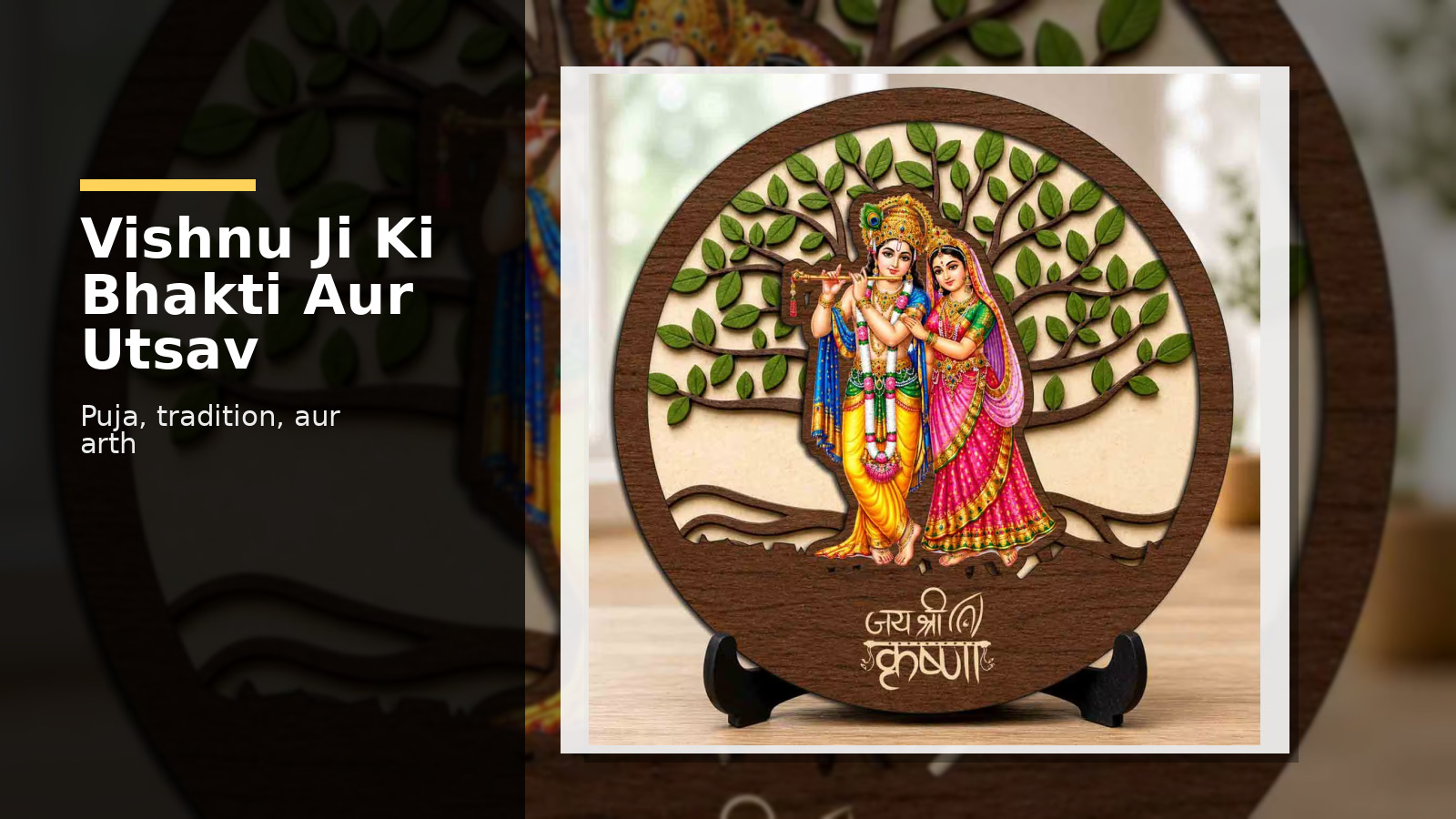
English Version
When people speak of vishnu ji history, they are not only speaking of a deity from ancient stories. They are speaking of a living presence in homes, temples, festivals, and everyday prayers. Vishnu is remembered as the preserver, the one who protects dharma, keeps balance in the world, and steps in whenever devotion needs reassurance.
What makes Vishnu especially moving is that his worship is often tied to seasons, fasting days, and sacred celebrations. In many homes, the year feels incomplete without Ekadashi vrat, Janmashtami remembrance, Vaikuntha Ekadashi prayers, or the soft glow of Tulsi and diya in the evening. These traditions are not just rituals. They are ways of saying: “We trust the divine to hold us steady.”
Who Is Vishnu?
Vishnu is one of the principal deities in Hindu tradition, worshipped as Narayan, the eternal protector and sustainer. In devotional life, he is often imagined as calm, blue-hued, and compassionate, resting on Sheshnag, with Goddess Lakshmi by his side. This image itself carries deep meaning: peace, balance, abundance, and grace.
In the language of bhakti, Vishnu is not distant. He is the one devotees call on for protection in trouble, clarity in confusion, and steadiness in uncertain times. That closeness is one reason Vishnu ji history feels so intimate in household prayer traditions.
The Spiritual Meaning Behind Vishnu Ji History
The heart of vishnu ji history lies in the idea of preservation. In many spiritual stories, when arrogance rises and truth is threatened, Vishnu appears to restore harmony. His avatars—especially Rama and Krishna—show that divine protection can arrive in forms that are tender, wise, brave, and deeply human.
For devotees, this is not just mythology. It is a message for daily life:
- Do your duty with sincerity.
- Protect what is pure and just.
- Stay humble even in strength.
- Remember that grace often comes quietly.
That is why Vishnu is loved not only in temples but in the middle of ordinary household routines—when someone lights a lamp, offers tulsi leaves, or folds hands before beginning the day.
Festival Traditions That Bring Vishnu Closer
Vishnu worship becomes especially beautiful during festivals and sacred observances. These moments turn faith into sound, color, fragrance, and shared memory.
Ekadashi Vrat
Ekadashi is one of the most cherished observances connected with Vishnu. Devotees fast, pray, recite Vishnu Sahasranama, and spend the day in self-discipline and remembrance. The vrat is seen as a path of purification. Even simple offerings of fruits, water, and tulsi can feel deeply sacred on this day.
Vaikuntha Ekadashi
Vaikuntha Ekadashi is especially dear in many Vaishnava traditions. It is believed to open the symbolic gate to Vishnu’s divine abode. Temples often see long queues, early morning prayers, and a mood of quiet joy. For many families, this day feels like a spiritual new beginning.
Janmashtami and Krishna Bhakti
Though Janmashtami celebrates Krishna, it is also deeply connected to Vishnu because Krishna is his avatar. The festival brings together night vigils, bhajans, Dahi Handi traditions in some regions, and cradle ceremonies in homes. The mood is affectionate and celebratory, as if the divine child has entered the household again.
Rama Navami
Rama Navami honors Lord Rama, another beloved avatar of Vishnu. Devotees remember Rama as the ideal king, son, and protector. Chanting, scripture reading, and temple processions often mark this day. The festival reminds people that righteousness is not only a principle, but a way of living.
Tulsi Vivah
Tulsi Vivah is one of the most emotionally rich festivals connected with Vishnu devotion. The ceremonial marriage of Tulsi with Vishnu or Krishna symbolizes sacred union, faith, and household blessing. In many homes, this ritual marks the beginning of the wedding season and the end of a devotional waiting period.
Puja Rituals in Vishnu Worship
Vishnu puja is often simple, orderly, and full of calm devotion. The ritual style reflects the deity’s own nature—balanced and serene.
- Clean space: The puja area is kept neat and pure.
- दीya and incense: Light is offered to invite auspiciousness.
- Tulsi leaves: Tulsi is especially sacred in Vishnu worship.
- Naivedya: Fruits, sweets, or simple sattvic food are offered.
- Mantra and naam jap: Devotees repeat Vishnu names, mantras, or stotras.
- Family prayer: Many homes pray together, making the ritual warm and communal.
These rituals are not meant to be complicated. Their beauty lies in consistency. A small daily puja, done with faith, can feel more powerful than a grand ceremony without sincerity.
Symbols That Carry Vishnu’s Message
Every image of Vishnu speaks in symbols. The conch, discus, mace, and lotus are not decorations alone. They carry deep spiritual meaning.
- Shankha: sacred sound, purity, and awakening.
- Chakra: protection, order, and the power to remove negativity.
- Gada: strength and the courage to uphold dharma.
- Padma: beauty, detachment, and spiritual blossoming.
- Sheshnag: cosmic support and divine rest.
When devotees look at these symbols during worship, they are reminded that the divine preserves not only the universe, but also the moral order within each heart.
Famous Places of Worship Connected with Vishnu
Across India, many temples carry the living memory of Vishnu devotion. Each place has its own atmosphere of faith.
- Tirumala Tirupati: one of the most visited and revered Vishnu temples.
- Jagannath Puri: a powerful center of devotion where Vishnu is worshipped in a unique form.
- Srirangam: a major Vaishnava pilgrimage site with deep ritual tradition.
- Badrinath: associated with Lord Vishnu in the Himalayan setting of quiet sanctity.
These temples are not only pilgrimage spots. They are living classrooms of bhakti, where generations have learned how to bow, wait, sing, and trust.
Seasonal Devotion and the Feeling of Vishnu in Everyday Life
One beautiful thing about Vishnu devotion is that it often follows the rhythm of the year. During monsoon prayers, festive months, fasting days, and winter rituals, the household mood changes. People become more prayerful, more careful with food, more conscious of time and conduct.
This seasonal rhythm gives Vishnu worship a gentle emotional power. It tells us that devotion is not separate from life. It moves with the seasons, the family calendar, and the heart’s own weather.
Why Devotees Feel So Close to Vishnu
Many ordinary devotees felt close to Vishnu from the earliest stories because he was never only a cosmic figure. He was the protector of the weak, the listener of prayers, the quiet force behind righteous action. In family life, that matters deeply. A child, a parent, a householder, a traveler—each can call on Vishnu in a different need.
Perhaps that is why the devotion remains so steady across generations. Vishnu does not only inspire awe. He offers reassurance. And in a busy world, reassurance is a sacred gift.
How Vishnu Worship Lives in the Home
In many homes, Vishnu devotion appears in small but meaningful ways: a framed image on the wall, a tulsi plant near the courtyard, a morning mantra, or a family prayer before meals. These little acts keep faith warm and familiar.
Some families also place a devotional idol or murti in their puja corner as a reminder of divine presence. A peaceful, well-made idol can help create a calm atmosphere for prayer, reflection, and gratitude.
If you are building a simple devotional corner, you may wish to Explore the related product on our store.
FAQ About Vishnu Ji History
Why is Vishnu called the preserver?
Vishnu is called the preserver because he protects dharma and maintains balance in the universe. His role is to sustain life, order, and righteousness.
Which festivals are most important in Vishnu worship?
Ekadashi, Vaikuntha Ekadashi, Janmashtami, Rama Navami, and Tulsi Vivah are among the most important festivals linked with Vishnu devotion.
What is the significance of tulsi in Vishnu puja?
Tulsi is considered highly sacred in Vishnu worship. Offering tulsi leaves is believed to bring purity, devotion, and divine grace.
Why do devotees relate Vishnu to everyday life?
Because Vishnu represents protection, duty, and balance—qualities that matter in family life, work, and personal conduct. His stories feel close to human concerns.
What do Vishnu’s symbols mean?
His conch, discus, mace, and lotus represent sacred sound, protection, strength, and spiritual beauty. Each symbol teaches a devotional lesson.
Conclusion
vishnu ji history is not only a study of ancient belief. It is a living tradition of festival joy, ritual discipline, household warmth, and spiritual protection. From Ekadashi fasting to Tulsi Vivah, from temple bells to quiet morning prayer, Vishnu remains the beloved preserver who steadies life with grace.
And perhaps that is why devotion to Vishnu continues to feel so tender and true: it reminds us that divine love is not always loud. Sometimes it arrives as peace, as order, as a lamp kept burning through the evening.
हिंदी संस्करण
जब हम vishnu ji history की बात करते हैं, तो हम केवल किसी प्राचीन कथा की बात नहीं करते। हम उस दिव्य उपस्थिति की बात करते हैं जो घरों, मंदिरों, व्रतों और रोज़मर्रा की प्रार्थनाओं में आज भी जीवित है। विष्णु को पालनहार कहा जाता है—जो धर्म की रक्षा करते हैं, संतुलन बनाए रखते हैं, और जब-जब संसार को सहारे की ज़रूरत होती है, तब-तब अपनी कृपा से मार्ग दिखाते हैं।
विष्णु की भक्ति को खास बनाता है उसका ऋतुओं और पर्वों से गहरा संबंध। कई घरों में एकादशी व्रत, वैकुंठ एकादशी, जन्माष्टमी, राम नवमी और तुलसी विवाह के बिना साल अधूरा-सा लगता है। इन परंपराओं में सिर्फ़ रीति नहीं, बल्कि आस्था की गर्माहट होती है। जैसे कोई कह रहा हो—“हम ईश्वर पर भरोसा रखते हैं कि वे हमें संभाल लेंगे।”
विष्णु कौन हैं?
विष्णु हिंदू परंपरा के प्रमुख देवताओं में से एक हैं। उन्हें नारायण, जगत-पालक और अनंत करुणा के प्रतीक रूप में पूजा जाता है। भक्तों की कल्पना में वे शांत, नीले वर्ण वाले, शेषनाग पर विराजमान, और माता लक्ष्मी के साथ सुशोभित दिखाई देते हैं। यह स्वरूप अपने-आप में बहुत अर्थपूर्ण है—शांति, संतुलन, समृद्धि और दया का।
भक्ति की भाषा में विष्णु दूर नहीं हैं। वे उन सभी के निकट हैं जो संकट में रक्षा चाहते हैं, भ्रम में स्पष्टता चाहते हैं, और जीवन की उलझनों में स्थिरता चाहते हैं। यही कारण है कि vishnu ji history घर-आँगन की पूजा परंपराओं में इतनी अपनी-सी लगती है।
vishnu ji history का आध्यात्मिक अर्थ
vishnu ji history का सबसे बड़ा संदेश है—पालन और संरक्षण। जब भी अहंकार बढ़ता है और सत्य पर संकट आता है, विष्णु अवतार लेकर संतुलन स्थापित करते हैं। उनके राम और कृष्ण जैसे अवतार यह बताते हैं कि दिव्य संरक्षण कभी मर्यादा, कभी प्रेम, कभी साहस, और कभी बहुत मानवीय रूप में आता है।
भक्तों के लिए यह केवल पौराणिक कथा नहीं, बल्कि जीवन का मार्ग है:
- कर्तव्य को ईमानदारी से निभाइए।
- धर्म और न्याय की रक्षा कीजिए।
- शक्ति में भी विनम्र रहिए।
- यह याद रखिए कि कृपा अक्सर धीरे-से आती है।
इसी कारण विष्णु की पूजा सिर्फ़ मंदिरों तक सीमित नहीं रहती; वह दीप जलाने, तुलसी अर्पण करने, और दिन की शुरुआत हाथ जोड़ने जैसे छोटे कार्यों में भी बसती है।
विष्णु से जुड़े पर्व और उत्सव
विष्णु की भक्ति पर्वों में और भी सुंदर हो जाती है। ये दिन आस्था को रंग, ध्वनि, सुगंध और साझा स्मृतियों में बदल देते हैं।
एकादशी व्रत
एकादशी विष्णु भक्ति का अत्यंत प्रिय व्रत है। इस दिन भक्त उपवास रखते हैं, विष्णु सहस्रनाम का पाठ करते हैं, और मन को संयम व स्मरण में लगाते हैं। इसे शुद्धि और आत्म-नियंत्रण का दिन माना जाता है। फल, जल और तुलसी का सादा अर्पण भी इस दिन बहुत पवित्र लगता है।
वैकुंठ एकादशी
वैकुंठ एकादशी कई वैष्णव परंपराओं में विशेष महत्त्व रखती है। माना जाता है कि इस दिन भगवान विष्णु के दिव्य धाम के प्रतीकात्मक द्वार खुलते हैं। मंदिरों में लंबी कतारें, सुबह की आरती, और मन में शांति और आनंद का भाव रहता है। यह दिन कई भक्तों के लिए आध्यात्मिक नए आरंभ जैसा होता है।
जन्माष्टमी
जन्माष्टमी कृष्ण जन्म का उत्सव है, और कृष्ण विष्णु के अवतार हैं। इसलिए यह पर्व विष्णु भक्ति से गहराई से जुड़ा है। रात की जागरण, भजन, दही-हांडी, और घरों में झूला सजाने की परंपरा इस दिन को बहुत सजीव बना देती है। जैसे दिव्य बालक फिर से घर में आ गए हों।
राम नवमी
राम नवमी भगवान राम को समर्पित है—जो विष्णु के एक अत्यंत प्रिय अवतार हैं। भक्त राम को मर्यादा, करुणा और आदर्श शासन के प्रतीक रूप में याद करते हैं। इस दिन कथा, पाठ, भजन और मंदिर-उत्सवों का विशेष महत्त्व होता है।
तुलसी विवाह
तुलसी विवाह विष्णु भक्ति का अत्यंत भावपूर्ण पर्व है। तुलसी और विष्णु या कृष्ण का प्रतीकात्मक विवाह घर-परिवार में पवित्रता, आशीर्वाद और वैवाहिक समृद्धि का संकेत माना जाता है। कई घरों में यह उत्सव विवाह-ऋतु की शुरुआत भी दर्शाता है।
विष्णु पूजा की परंपराएँ
विष्णु पूजा सामान्यतः सरल, शुद्ध और शांत भाव से की जाती है। इसकी शैली स्वयं विष्णु के स्वभाव को दर्शाती है—संतुलित और सौम्य।
- स्वच्छ स्थान: पूजा-स्थल को पवित्र और साफ़ रखा जाता है।
- दीप और धूप: प्रकाश और सुगंध से शुभता का आह्वान किया जाता है।
- तुलसी पत्र: विष्णु पूजा में तुलसी अत्यंत पवित्र मानी जाती है।
- नैवेद्य: फल, मिठाई या सात्त्विक भोजन अर्पित किया जाता है।
- मंत्र-जप: विष्णु नाम, स्तोत्र या मंत्रों का उच्चारण किया जाता है।
- परिवार की प्रार्थना: कई घरों में सब मिलकर पूजा करते हैं, जिससे वातावरण प्रेमपूर्ण बनता है।
इन विधियों की सुंदरता उनकी जटिलता में नहीं, बल्कि नियमितता में है। श्रद्धा से की गई छोटी-सी पूजा भी बहुत गहरी अनुभूति दे सकती है।
विष्णु के प्रतीक और उनका अर्थ
विष्णु की हर छवि किसी प्रतीक की तरह बोलती है। शंख, चक्र, गदा और पद्म केवल सजावट नहीं, बल्कि गहरे आध्यात्मिक संदेश हैं।
- शंख: पवित्र ध्वनि, जागरण और शुद्धता।
- चक्र: संरक्षण, व्यवस्था और नकारात्मकता को दूर करने की शक्ति।
- गदा: बल और धर्म की रक्षा का साहस।
- पद्म: सुंदरता, वैराग्य और आध्यात्मिक खिलावट।
- शेषनाग: ब्रह्मांडीय सहारा और दिव्य विश्राम।
भक्त जब इन प्रतीकों को देखते हैं, तो उन्हें यह स्मरण होता है कि ईश्वर न केवल जगत का, बल्कि प्रत्येक हृदय के भीतर के धर्म का भी पालन करते हैं।
विष्णु से जुड़े प्रसिद्ध तीर्थ
भारत भर में विष्णु भक्ति के अनेक जीवंत केंद्र हैं। हर मंदिर अपनी अलग आभा लिए हुए है।
- तिरुमला तिरुपति: विष्णु के सबसे अधिक पूजित और प्रसिद्ध मंदिरों में से एक।
- जगन्नाथ पुरी: विष्णु के एक विशिष्ट रूप की पूजा का अद्भुत केंद्र।
- श्रीरंगम: गहन वैष्णव परंपरा और अनुष्ठान-समृद्ध तीर्थ।
- बद्रीनाथ: हिमालय की शांति में स्थित विष्णु-सम्बद्ध पवित्र धाम।
ये स्थान केवल यात्रा-स्थल नहीं, बल्कि भक्ति के जीवित विद्यालय हैं, जहाँ पीढ़ियाँ झुकना, प्रतीक्षा करना, गाना और भरोसा करना सीखती हैं।
ऋतुओं के साथ चलती भक्ति
विष्णु भक्ति की एक सुंदर बात यह है कि वह वर्ष के साथ चलती है। बरसात, व्रत-ऋतु, त्योहारों के दिन, और सर्दियों की पूजा—सब घर के भाव को बदल देते हैं। लोग भोजन में अधिक संयम रखते हैं, समय के प्रति अधिक सजग होते हैं, और मन को अधिक शांत रखते हैं।
यह मौसमी लय विष्णु पूजा को बहुत मानवीय और जीवंत बना देती है। यह सिखाती है कि भक्ति जीवन से अलग नहीं है; वह तो मौसम, परिवार और मन के साथ-साथ चलती है।
भक्तों को विष्णु इतने अपने क्यों लगते हैं?
बहुत-से साधारण भक्तों को विष्णु प्रारंभ से ही इसलिए प्रिय लगे क्योंकि वे केवल ब्रह्मांडीय सत्ता नहीं थे। वे कमजोरों के रक्षक, प्रार्थना सुनने वाले, और धर्म के पक्ष में खड़े होने वाली दिव्य शक्ति थे। गृहस्थ जीवन में यह बहुत मायने रखता है। बच्चा, माता-पिता, गृहस्थ, यात्री—हर कोई अपनी ज़रूरत के अनुसार विष्णु को पुकार सकता है।
शायद इसी कारण उनकी भक्ति पीढ़ियों तक स्थिर रहती है। विष्णु केवल विस्मय नहीं देते, वे भरोसा भी देते हैं। और आज की तेज़ दुनिया में भरोसा सचमुच एक पवित्र उपहार है।
घर में विष्णु भक्ति कैसे जीवित रहती है
कई घरों में विष्णु भक्ति छोटे-छोटे रूपों में दिखाई देती है—दीवार पर लगी तस्वीर, आँगन के पास तुलसी का पौधा, सुबह का मंत्र-जप, या भोजन से पहले की प्रार्थना। ये छोटे कार्य आस्था को गर्म और परिचित बनाए रखते हैं।
कुछ परिवार पूजा-कोने में एक सुंदर मूर्ति या मुरति भी रखते हैं ताकि घर में दिव्यता की उपस्थिति बनी रहे। अगर आप अपने devotional corner को और शांत, सुंदर और अर्थपूर्ण बनाना चाहते हैं, तो Explore the related product on our store.
अक्सर पूछे जाने वाले प्रश्न
विष्णु को पालनहार क्यों कहा जाता है?
विष्णु को पालनहार इसलिए कहा जाता है क्योंकि वे धर्म की रक्षा करते हैं और संसार में संतुलन बनाए रखते हैं। उनका कार्य जीवन, व्यवस्था और न्याय को संभालना है।
विष्णु पूजा के सबसे महत्वपूर्ण पर्व कौन-से हैं?
एकादशी, वैकुंठ एकादशी, जन्माष्टमी, राम नवमी और तुलसी विवाह विष्णु भक्ति से जुड़े प्रमुख पर्व हैं।
तुलसी का विष्णु पूजा में क्या महत्त्व है?
तुलसी को विष्णु पूजा में अत्यंत पवित्र माना जाता है। तुलसी पत्र अर्पित करने से शुद्धि, भक्ति और कृपा का भाव जुड़ता है।
भक्त विष्णु को जीवन से इतना जुड़ा क्यों मानते हैं?
क्योंकि विष्णु संरक्षण, कर्तव्य और संतुलन के प्रतीक हैं—ये सब गुण परिवार, काम और आचरण में बहुत महत्त्व रखते हैं। उनकी कथाएँ इंसानी जीवन के बहुत पास लगती हैं।
विष्णु के प्रतीकों का क्या अर्थ है?
उनके शंख, चक्र, गदा और पद्म पवित्र ध्वनि, संरक्षण, शक्ति और आध्यात्मिक सौंदर्य का संकेत देते हैं। हर प्रतीक एक भक्ति-पाठ सिखाता है।
निष्कर्ष
vishnu ji history केवल किसी पुरानी कथा का नाम नहीं है। यह पर्वों की खुशबू, व्रत की अनुशासन-भावना, घर की गर्माहट, और ईश्वरीय सुरक्षा की जीवित परंपरा है। एकादशी से लेकर तुलसी विवाह तक, मंदिर की घंटियों से लेकर सुबह की शांत प्रार्थना तक, विष्णु हमें यह याद दिलाते हैं कि जीवन को कृपा से संभाला जा सकता है।
शायद यही वजह है कि विष्णु भक्ति इतनी कोमल और सच्ची लगती है—वह हमेशा ऊँची आवाज़ में नहीं आती। कभी-कभी वह शांति बनकर आती है, कभी व्यवस्था बनकर, और कभी शाम के दीपक की तरह लगातार जलती रहती है।