
Traditional Folk Art 3D Festival Significance in Devotion
May 16, 2026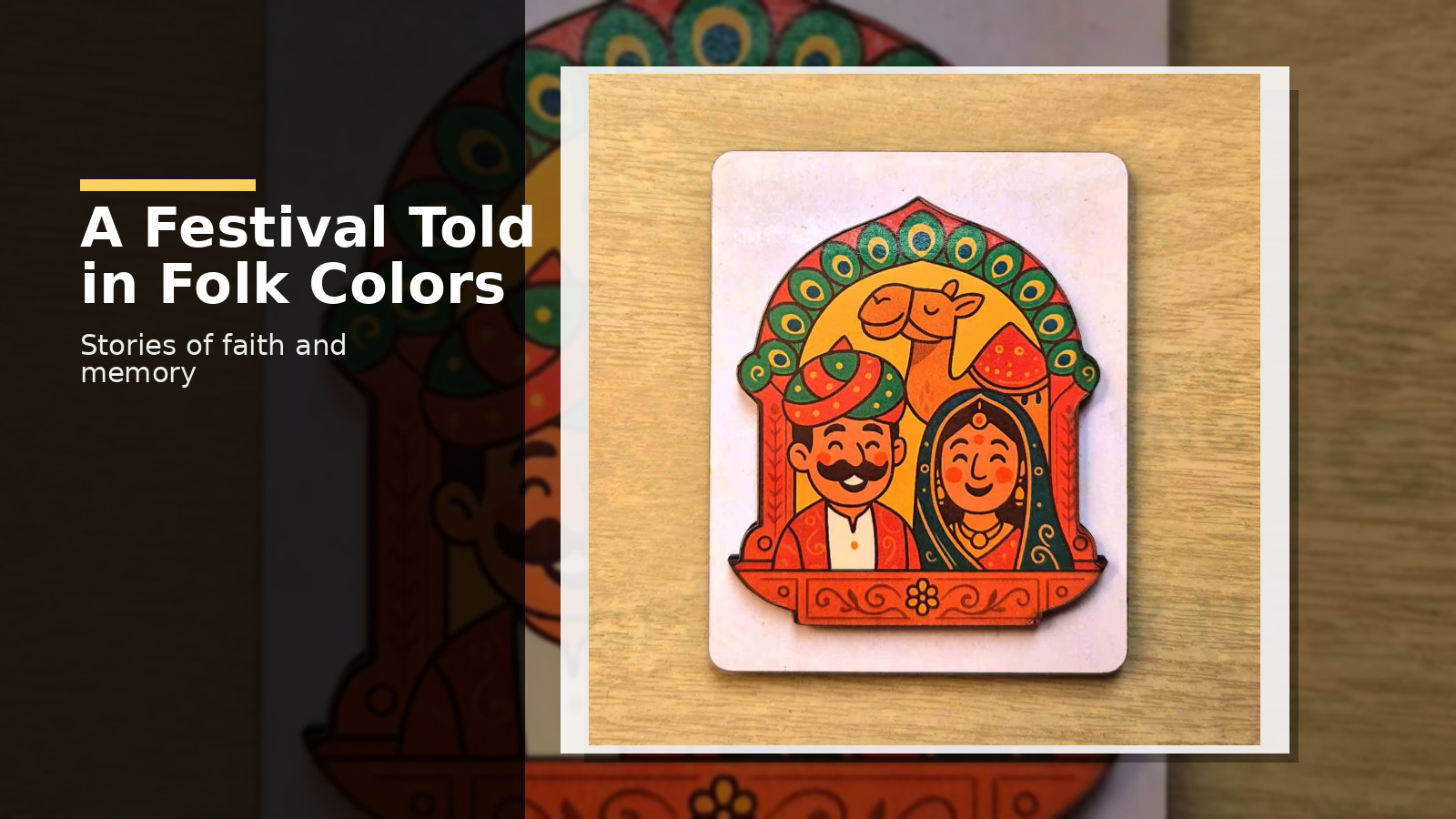
English Version
When elders in the house speak about traditional folk art 3d festival significance, they do not begin with a textbook. They begin with memory. They remember the floor being swept clean, the courtyard sprinkled with water, the smell of incense rising slowly, and a mother or grandmother placing colors, flowers, and faith side by side. In many homes, traditional folk art is not just decoration. It becomes part of the bhakti itself, especially during the main festival, vrat, or special worship day when the house feels ready to welcome blessings.
This is why the meaning of traditional folk art 3d festival significance is so deeply emotional. It is not only about beauty. It is about presence. It is about how a small sacred corner can hold prayers, family memories, and the quiet feeling that the divine has entered the home with the rhythm of aarti, bells, and shared devotion.
When a Festival Becomes a Family Story
In many homes, the festival begins the night before. The elders say that the real preparation is not only in the kitchen, but in the heart. Children are asked to help arrange the puja thali, place fresh flowers, and polish the space where the deity will be worshipped. A folk-art inspired image, motif, or decorative piece often becomes the visual center of that devotion. It may be placed near the mandir, on a shelf, or in the prayer room, where it catches the glow of the diya and the eyes of everyone entering the room.
That is the beauty of this tradition: it makes devotion visible. The sacred is not kept far away. It comes home, gently, in forms that feel familiar, colorful, and full of life.
The Spiritual Meaning Behind Folk Art in Worship
Traditional folk art has always carried a living connection to community faith. Across regions of India, people have used folk designs to mark auspicious occasions, decorate homes, and honor divine presence. During festival days, such art often reflects joy, protection, gratitude, and the hope of new beginnings. In that sense, the traditional folk art 3d festival significance lies in the way art turns prayer into something one can see, touch, and remember.
For devotees, this kind of art often carries these feelings:
- Bhakti: a simple, honest offering of love.
- Shubh shuruaat: the sense of beginning the day with blessings.
- Sanskar: family values passed from one generation to the next.
- Smriti: memories of grandparents, festivals, and childhood rituals.
- Saamuhik anand: the joy of celebrating together.
That is why even a small piece of traditional folk art can feel powerful in a worship setting. It does not need to speak loudly. Its colors, patterns, and sacred mood say enough.
Why Festivals Feel Incomplete Without Visual Devotion
Many households remember festivals through images as much as through flavors. The smell of ghee, the sound of conch shells, the rhythm of bhajans, and the sight of decorated walls or prayer corners all become part of the same sacred memory. During vrat days and special puja rituals, people often feel that the home should reflect inner purity. Folk art helps create that feeling.
In traditional homes, the art on the wall or worship area is not chosen casually. It is chosen because it feels auspicious. It carries the warmth of heritage and the reassurance that the prayer space is ready to receive the divine. This is one reason why the phrase traditional folk art 3d festival significance resonates so strongly with families who value both culture and devotion.
Festival Rituals That Bring the Story Alive
Every region has its own way of observing sacred days, but some gestures feel familiar everywhere. Before the puja begins, the space is cleaned. Flowers are offered. Diyas are lit. Sweets are prepared. Aarti is performed with a steady heart. Sometimes a family member tells children why the festival matters, turning the ritual into a story they can carry forward.
In that atmosphere, folk art becomes more than an object. It becomes a companion to the ritual. It stands quietly while the family prays, sings, and remembers. It also helps children connect with tradition in a visual way, because they may not remember long shlokas, but they will remember the colors, the shapes, and the tenderness of the celebration.
Famous Places and Living Traditions
Traditional folk art is not tied to one house or one temple. It belongs to a larger living culture. Across India, temples, festival grounds, village homes, and community spaces carry folk-inspired designs during sacred seasons. From regional wall art to handmade decorations used in seasonal worship, these traditions remind us that devotion often travels with local memory.
While the forms may differ from place to place, the feeling remains the same: gratitude, belonging, and reverence. This is what makes folk art spiritually important. It carries not only beauty, but continuity.
What the Elders Teach Through This Art
A dadi or nani may not use grand words, but she understands something deep. She knows that children remember devotion when they can see it. She knows that a festival becomes unforgettable when the home is prepared with care. She knows that art can soften the mind and open the heart before prayer begins.
So she may say, “Look carefully. This is not just a design. This is our way of remembering the divine.” And in that simple sentence, the whole meaning of traditional folk art 3d festival significance comes alive.
Devotional Importance in Modern Homes
Even in busy urban homes, people still look for ways to keep sacred traditions alive. A compact folk-art piece can fit into a prayer corner, a shelf, a study space, or a festive display without losing its emotional value. It becomes a small reminder that devotion does not always need grandeur. Sometimes it only needs sincerity.
That is why devotional art continues to matter. It bridges old and new, memory and present life, ritual and everyday living. It tells the family: keep the lamp burning, keep the story moving, keep the faith visible.
How Families Experience the Festival Day
On the main day of worship, the house often changes its mood. Voices become softer. The air feels cleaner. Even children sense that something special is happening. One person prepares the offerings, another arranges the flowers, and someone else lights the diya. In that gentle movement, the folk-art presence becomes part of the sacred atmosphere.
And later, after the puja, when the lamps are dimmed and the sweets are shared, the family may still look at that art and remember the day. Not just the ritual, but the togetherness. Not just the prayer, but the feeling of being held by tradition.
Why This Tradition Still Matters
Some traditions survive because they are beautiful. Some survive because they are meaningful. Traditional folk art survives because it is both. It carries color, culture, and devotion in one frame. It reminds us that festivals are not only about celebration; they are about connection—between generations, between home and temple, and between the visible and the sacred.
That is the heart of traditional folk art 3d festival significance. It is a story of worship that can be seen, a memory that can be kept, and a blessing that can be shared.
Frequently Asked Questions
What is the traditional folk art 3d festival significance?
It refers to the spiritual and cultural importance of folk-art-inspired visuals used during festivals, puja days, and vrat observances. They help create an auspicious and devotional atmosphere at home.
Why do families use folk art during worship?
Families use folk art because it brings color, tradition, and emotional warmth into the prayer space. It helps turn the home into a more sacred and welcoming place during festival rituals.
Is folk art only decorative?
No. In devotional settings, it is also symbolic. It can reflect faith, blessings, heritage, and the family’s bond with tradition.
Can traditional folk art be used in modern homes?
Yes. Many people place folk-art pieces in prayer corners, living rooms, offices, or festival displays to keep the spirit of tradition alive in a simple way.
How does folk art connect children to festivals?
Children often remember what they see. Folk art helps them connect festival memories with colors, rituals, and the loving atmosphere of worship.
If you would like to keep this devotional feeling close to daily life, you may also Explore the related product on our store.
Hindi Version
जब घर के बड़े-बुज़ुर्ग traditional folk art 3d festival significance की बात करते हैं, तो वे किताब से नहीं, यादों से शुरू करते हैं। वे बताते हैं कि कैसे आँगन को साफ किया गया, कैसे पानी छिड़का गया, कैसे अगरबत्ती की खुशबू धीरे-धीरे उठी, और कैसे माँ या दादी ने रंग, फूल और आस्था को एक साथ सजा दिया। कई घरों में traditional folk art सिर्फ सजावट नहीं होती। वह भक्ति का हिस्सा बन जाती है, खासकर मुख्य त्योहार, व्रत या किसी विशेष पूजा-दिन पर, जब घर देवी-देवता के स्वागत के लिए तैयार होता है।
इसी वजह से traditional folk art 3d festival significance का भाव बहुत गहरा और भावुक होता है। बात सिर्फ सुंदरता की नहीं है। बात उपस्थिति की है। बात इस एहसास की है कि एक छोटा-सा पवित्र कोना भी आरती, घंटियों, फूलों और परिवार की प्रार्थनाओं को अपने भीतर समेट सकता है।
जब त्योहार एक परिवार की कहानी बन जाता है
कई घरों में त्योहार की शुरुआत एक रात पहले ही हो जाती है। बड़े कहते हैं कि असली तैयारी केवल रसोई में नहीं, दिल में भी होती है। बच्चों को पूजा की थाली सजाने, ताज़े फूल रखने और उस जगह को चमकाने के लिए कहा जाता है जहाँ देवता की पूजा होगी। folk-art से प्रेरित कोई चित्र, आकृति या सजावटी चीज़ अक्सर उस भक्ति का दृश्य केंद्र बन जाती है। उसे मंदिर के पास, शेल्फ पर, या पूजा-कक्ष में रखा जाता है, जहाँ दीये की रोशनी उसे और भी उजला बना देती है।
यही इस परंपरा की खूबसूरती है: यह भक्ति को दिखाई देने लायक बना देती है। पवित्रता दूर नहीं रहती। वह घर आ जाती है—रंगों, अपनेपन और जीवन से भरे रूप में।
पूजा में folk art का आध्यात्मिक अर्थ
Traditional folk art हमेशा से समुदाय की आस्था से जुड़ी रही है। भारत के अलग-अलग क्षेत्रों में लोग शुभ अवसरों पर घर सजाने, दिव्यता का सम्मान करने और मंगल भावना प्रकट करने के लिए folk designs का उपयोग करते आए हैं। त्योहारों पर ऐसी कला आनंद, सुरक्षा, कृतज्ञता और नए आरंभ की आशा को व्यक्त करती है। इस अर्थ में traditional folk art 3d festival significance उस तरीके में बसता है, जिसमें कला प्रार्थना को देखने, महसूस करने और याद रखने योग्य बना देती है।
भक्तों के लिए इस तरह की कला कई भाव लेकर आती है:
- भक्ति: प्रेम से किया गया सरल समर्पण।
- शुभ शुरुआत: दिन की शुरुआत आशीर्वाद के साथ करने का भाव।
- संस्कार: पीढ़ियों से आगे बढ़ते पारिवारिक मूल्य।
- स्मृति: दादा-दादी, त्योहारों और बचपन के अनुष्ठानों की याद।
- सामूहिक आनंद: साथ मिलकर मनाने की खुशी।
इसी वजह से पूजा-स्थल में traditional folk art का एक छोटा-सा रूप भी बहुत प्रभावशाली लग सकता है। उसे ऊँची आवाज़ में कुछ कहने की ज़रूरत नहीं होती। उसके रंग, पैटर्न और पवित्र भाव ही काफी होते हैं।
क्यों त्योहार visual devotion के बिना अधूरे लगते हैं
बहुत-से घर त्योहारों को स्वाद की तरह ही तस्वीरों और दृश्यों के रूप में भी याद रखते हैं। घी की खुशबू, शंख की ध्वनि, भजनों की लय और सजे हुए दीवारों या पूजा-कोने का दृश्य—all मिलकर एक ही पवित्र स्मृति बन जाते हैं। व्रत के दिनों और विशेष पूजा-अनुष्ठानों में लोग चाहते हैं कि घर की बाहरी सजावट भी भीतर की शुद्धता को दर्शाए। folk art इसी भावना को रचती है।
परंपरागत घरों में पूजा-स्थल या दीवार पर लगी कला कोई साधारण चुनाव नहीं होती। उसे इसलिए चुना जाता है क्योंकि वह शुभ लगती है। उसमें विरासत की गर्माहट होती है और यह भरोसा भी कि पूजा-स्थान अब दिव्यता के स्वागत के लिए तैयार है। इसी कारण traditional folk art 3d festival significance उन परिवारों के दिल के बहुत करीब है, जो संस्कृति और भक्ति—दोनों को महत्व देते हैं।
वे अनुष्ठान जो इस कहानी को जीवित रखते हैं
हर क्षेत्र के अपने नियम और अपनी परंपराएँ होती हैं, लेकिन कुछ बातें हर जगह अपनापन देती हैं। पूजा शुरू होने से पहले स्थान साफ़ किया जाता है। फूल चढ़ाए जाते हैं। दीये जलाए जाते हैं। मिठाइयाँ बनती हैं। आरती शांत मन से की जाती है। कभी-कभी कोई बड़ा व्यक्ति बच्चों को बताता है कि यह त्योहार क्यों महत्वपूर्ण है, और वह अनुष्ठान एक कहानी बन जाता है, जिसे वे आगे लेकर चलते हैं।
ऐसे वातावरण में folk art सिर्फ एक वस्तु नहीं रह जाती। वह अनुष्ठान की साथी बन जाती है। परिवार जब प्रार्थना करता है, गाता है, और याद करता है, तब वह चुपचाप मौजूद रहती है। बच्चों के लिए भी यह परंपरा को समझने का सुंदर तरीका बनती है, क्योंकि शायद वे लंबे श्लोक याद न रखें, लेकिन रंग, आकार और उत्सव की ममता ज़रूर याद रखेंगे।
प्रसिद्ध स्थान और जीवित परंपराएँ
Traditional folk art किसी एक घर या एक मंदिर तक सीमित नहीं है। यह एक जीवित सांस्कृतिक धारा है। भारत भर में मंदिर, उत्सव-स्थल, गाँव के घर और सामुदायिक स्थान पवित्र मौसमों में folk-inspired डिज़ाइनों से सजते हैं। क्षेत्रीय wall art से लेकर मौसमी पूजा में उपयोग होने वाली हस्तनिर्मित सजावट तक, ये परंपराएँ याद दिलाती हैं कि भक्ति अक्सर स्थानीय स्मृति के साथ यात्रा करती है।
रूप भले अलग हों, भाव एक ही रहता है: कृतज्ञता, अपनापन और श्रद्धा। यही folk art को आध्यात्मिक रूप से महत्वपूर्ण बनाता है। वह सिर्फ सुंदरता नहीं, निरंतरता भी लेकर आती है।
बड़ों की सीख क्या कहती है
दादी या नानी शायद बड़े शब्द न बोलें, लेकिन वे एक गहरी बात जानती हैं। वे जानती हैं कि बच्चे भक्ति को तब याद रखते हैं जब वे उसे देख पाते हैं। वे जानती हैं कि जब घर स्नेह से सजाया जाता है, तो त्योहार अविस्मरणीय बन जाता है। वे जानती हैं कि प्रार्थना से पहले कला मन को नरम और हृदय को खुला कर सकती है।
इसलिए वे शायद कहें, “ध्यान से देखो। यह सिर्फ़ डिज़ाइन नहीं है। यह हमारे अपने तरीके से ईश्वर को याद करने का माध्यम है।” और उस एक सरल वाक्य में traditional folk art 3d festival significance का पूरा अर्थ जाग उठता है।
आधुनिक घरों में devotional importance
आज के व्यस्त शहरी घरों में भी लोग अपनी पवित्र परंपराओं को जीवित रखना चाहते हैं। folk-art का एक छोटा-सा piece पूजा-कोने, शेल्फ, study space या festive display में सहजता से फिट हो सकता है, और अपना भावनात्मक महत्व भी नहीं खोता। वह एक छोटा-सा स्मरण बन जाता है कि भक्ति को हमेशा भव्यता की ज़रूरत नहीं होती। कभी-कभी उसे सिर्फ़ sincerity चाहिए।
यही कारण है कि devotional art आज भी उतनी ही महत्वपूर्ण है। यह पुराने और नए, स्मृति और वर्तमान, अनुष्ठान और रोज़मर्रा के जीवन के बीच पुल बनाती है। यह परिवार से कहती है: दीया जलाए रखो, कहानी आगे बढ़ाओ, आस्था को दिखाई देने दो।
त्योहार के दिन परिवार कैसे जीता है
पूजा के मुख्य दिन घर का माहौल बदल जाता है। आवाज़ें धीमी हो जाती हैं। हवा साफ़ लगती है। बच्चे तक समझ जाते हैं कि कुछ खास हो रहा है। कोई भोग तैयार करता है, कोई फूल सजाता है, और कोई दीया जलाता है। इस कोमल-सी हलचल में folk-art की मौजूदगी पवित्र वातावरण का हिस्सा बन जाती है।
और फिर पूजा के बाद, जब दीये मंद हो जाते हैं और मिठाइयाँ बाँटी जाती हैं, परिवार उस कला को देखकर दिन को याद करता है। सिर्फ़ अनुष्ठान नहीं, साथ रहने का भाव। सिर्फ़ प्रार्थना नहीं, परंपरा की गोद में होने का एहसास।
यह परंपरा आज भी क्यों ज़रूरी है
कुछ परंपराएँ इसलिए बची रहती हैं क्योंकि वे सुंदर होती हैं। कुछ इसलिए क्योंकि वे अर्थपूर्ण होती हैं। Traditional folk art दोनों वजहों से जीवित है। यह रंग, संस्कृति और भक्ति को एक ही रूप में समेटती है। यह याद दिलाती है कि त्योहार सिर्फ़ मनाने की चीज़ नहीं हैं; वे जोड़ने की चीज़ हैं—पीढ़ियों को, घर और मंदिर को, और दिखाई देने वाली दुनिया को पवित्रता से।
यही traditional folk art 3d festival significance का मूल है। यह ऐसी प्रार्थना की कहानी है जिसे देखा जा सकता है, ऐसी स्मृति है जिसे सँजोया जा सकता है, और ऐसा आशीर्वाद है जिसे साझा किया जा सकता है।
अक्सर पूछे जाने वाले प्रश्न
traditional folk art 3d festival significance का क्या अर्थ है?
इसका अर्थ है त्योहारों, पूजा-दिनों और व्रत-उपवास के समय folk-art से प्रेरित visuals का आध्यात्मिक और सांस्कृतिक महत्व। ये घर में शुभ और भक्तिमय वातावरण बनाते हैं।
परिवार पूजा में folk art का उपयोग क्यों करते हैं?
क्योंकि folk art पूजा-स्थल में रंग, परंपरा और भावनात्मक ऊष्मा लाती है। यह घर को त्योहारों के समय अधिक पवित्र और स्वागतयोग्य बनाती है।
क्या folk art सिर्फ़ सजावट है?
नहीं। भक्ति के संदर्भ में यह प्रतीकात्मक भी है। यह आस्था, आशीर्वाद, विरासत और परिवार के परंपरा से जुड़े होने को दर्शा सकती है।
क्या traditional folk art modern homes में भी उपयोग की जा सकती है?
हाँ। बहुत-से लोग folk-art pieces को पूजा-कोने, living room, office या festive display में रखते हैं ताकि परंपरा की भावना सरल रूप में बनी रहे।
folk art बच्चों को त्योहारों से कैसे जोड़ती है?
बच्चे अक्सर वही याद रखते हैं जो वे देखते हैं। folk art उन्हें त्योहारों की यादें रंगों, अनुष्ठानों और पूजा के स्नेहिल वातावरण से जोड़ती है।
अगर आप इस devotional feeling को रोज़मर्रा के जीवन के करीब रखना चाहें, तो आप Explore the related product on our store.