
Shiv Ji History: Backstory, Meaning, and Devotional Significance
April 3, 2026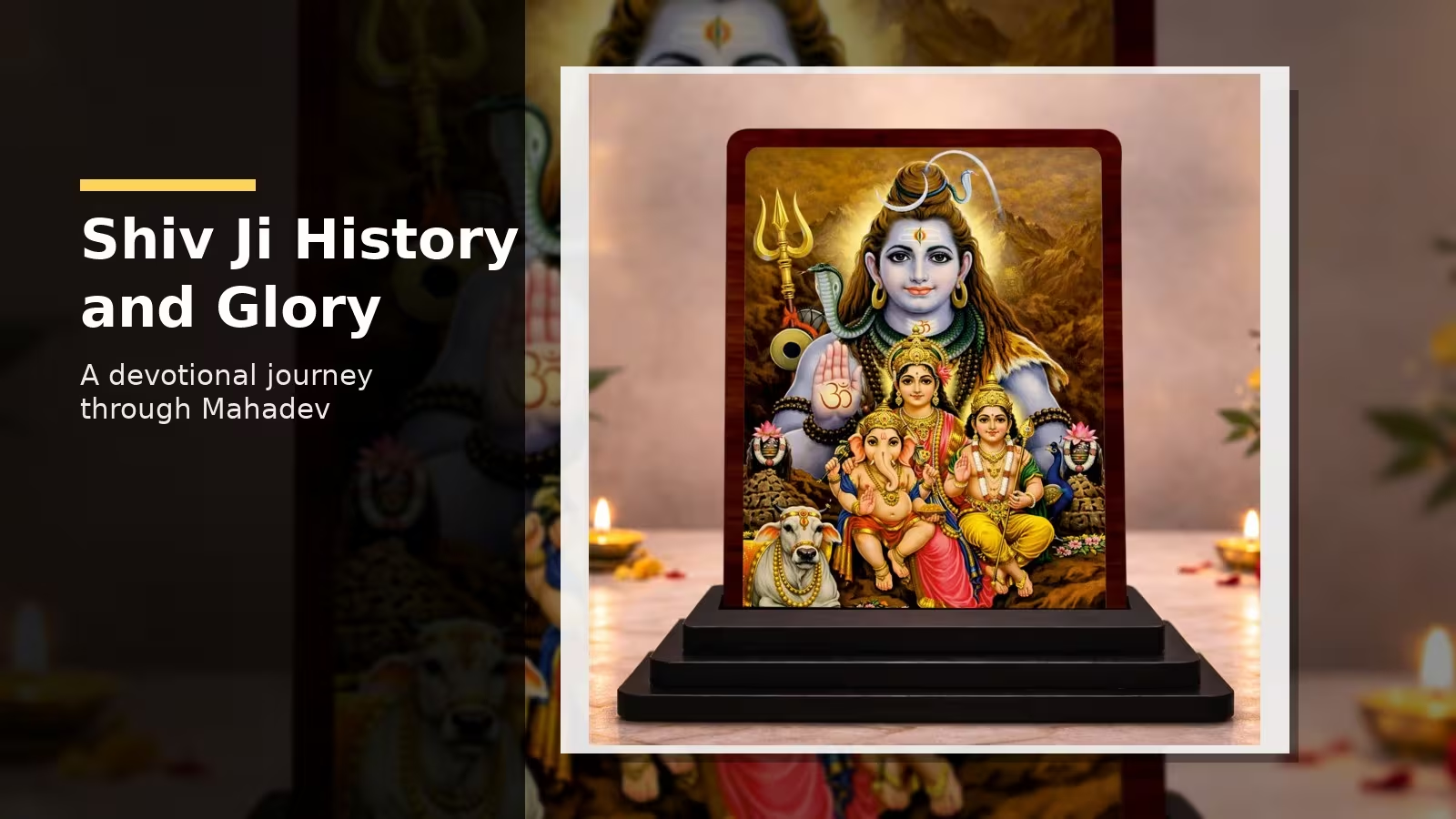
English Version
Shiv Ji history is not just a story of a deity; it is a journey into the heart of devotion, renunciation, compassion, and cosmic balance. For millions of devotees, Shiv Ji is not only the destroyer in the divine trinity but also the eternal source of transformation, inner strength, and liberation. His presence is felt in temples, chants, meditation, and every quiet moment of faith.
Who Is Shiv Ji?
Shiv Ji, also known as Mahadev, Bholenath, and Shankar, holds a unique place in Hindu tradition. He is worshipped as the supreme yogi, the lord of meditation, and the one who can destroy negativity while blessing devotees with peace and wisdom. Unlike deities associated only with power or prosperity, Shiv Ji represents both fierce energy and deep compassion.
In devotional life, Shiv Ji is often seen as approachable and loving. This is why devotees call him Bholenath—the innocent and easily pleased Lord. A simple offering of water, milk, bel leaves, or sincere prayer is believed to be enough to please him.
Shiv Ji History in Hindu Belief
The history of Shiv Ji is rooted in ancient Vedic and Puranic traditions. In early scriptures, Rudra appears as a powerful and fearsome form, later evolving into the compassionate and all-encompassing Shiva we know today. Over time, Shiva came to be honored as one of the principal deities of Hinduism, especially within Shaivism.
Shiv Ji is not merely a mythological figure. For devotees, he is the timeless consciousness that exists beyond birth and death. His story teaches that destruction is not always negative; sometimes, it is necessary for renewal, growth, and spiritual awakening.
Major Legends and Backstory of Mahadev
Many sacred legends form the emotional core of Shiv Ji history. Each one reveals a different aspect of his divine nature.
- The Neelkanth legend: During the churning of the ocean, a deadly poison emerged. Shiv Ji drank it to protect the universe, and his throat turned blue, earning him the name Neelkanth.
- Marriage with Parvati: The union of Shiv Ji and Mata Parvati symbolizes the balance of asceticism and divine household energy, showing that spirituality and love can coexist.
- Ganga on his matted hair: The descent of the sacred river Ganga through Shiv Ji’s hair represents his role as a cosmic supporter and purifier.
- Third eye: His third eye is a symbol of higher awareness, truth, and the power to destroy illusion.
These stories are not only sacred narratives; they are spiritual teachings. They remind devotees that Mahadev protects the world, accepts sincere surrender, and guides the soul toward truth.
Symbolism of Shiv Ji
Every symbol associated with Shiv Ji carries deep meaning. Devotees often reflect on these signs during prayer and meditation.
- Trishul: Represents the destruction of ego, ignorance, and attachment.
- Damaru: Symbolizes the rhythm of creation and the sound of the universe.
- Shivling: A sacred form of Shiva, worshipped as a symbol of infinite cosmic energy.
- Snake around the neck: Shows mastery over fear and death.
- Vibhuti or ash: Reminds devotees of the temporary nature of the physical world.
These sacred symbols make Shiv Ji worship deeply meaningful. They turn every puja into a reminder of discipline, humility, and inner awakening.
Why Shiv Ji Is So Dear to Devotees
Shiv Ji is loved because he listens without judgment. He is the deity of the saint, the householder, the yogi, and the struggling devotee alike. Whether one seeks peace, courage, health, or spiritual progress, Shiv Ji is believed to bless sincere hearts.
His worship is also emotionally powerful because it feels personal and intimate. The chants of Om Namah Shivaya create a sense of calm, and many devotees consider it a mantra of purification and inner strength.
Famous Temples Associated with Shiv Ji
Across India, countless temples are dedicated to Mahadev, each carrying its own sacred atmosphere and history. Some of the most revered places of worship include:
- Kashi Vishwanath, Varanasi: One of the holiest Shiva temples, deeply connected with liberation and divine grace.
- Kedarnath: A powerful Himalayan shrine that attracts pilgrims seeking spiritual endurance and faith.
- Somnath: Known as one of the most sacred Jyotirlingas, symbolizing timeless devotion.
- Mahakaleshwar, Ujjain: Revered for its unique association with time and cosmic power.
- Trimbakeshwar: Another important Jyotirlinga, known for its spiritual significance and rituals.
These temples are not only architectural wonders; they are living centers of prayer where the story of Shiv Ji continues through daily worship, aarti, and pilgrimage.
Festival Significance: Mahashivratri and Beyond
When discussing Shiv Ji history, one cannot ignore Mahashivratri. This sacred festival is dedicated to the worship of Mahadev and is observed with fasting, night-long prayer, chanting, and temple visits. For many devotees, it is a time of inner cleansing and renewed faith.
Other observances like Sawan Somvar and monthly Shivratri also hold special importance. During these times, devotees offer water, milk, bilva leaves, and prayers with deep devotion. The atmosphere becomes filled with bhajans, bells, and the sacred chant of Shiva’s name.
Spiritual Meaning of Shiv Ji’s Life and Teachings
Shiv Ji teaches that stillness can be powerful, simplicity can be divine, and surrender can lead to freedom. His life is a reminder that true strength is not always loud; sometimes it is silent, steady, and compassionate.
For spiritual seekers, Mahadev represents the path of meditation, self-control, and truth. For household devotees, he represents protection, family harmony, and grace. This wide emotional reach is one reason Shiv Ji remains beloved across generations.
Common Devotional Practices for Shiv Ji
Many devotees keep their worship simple and heartfelt. Common practices include:
- Offering water or milk to the Shivling
- Chanting Om Namah Shivaya
- Lighting a diya and incense
- Offering bel leaves, flowers, and fruits
- Reading or listening to Shiva stories and aartis
These practices are not about ritual alone. They help create a peaceful mindset and strengthen one’s connection with Mahadev.
Shiv Ji in Daily Life and Home Worship
Many families keep a small Shiva image or Shiv Parivar idol in their home temple or prayer corner. Such sacred decor serves as a daily reminder of faith, discipline, and divine protection. If you wish to bring a traditional devotional touch to your home or workspace, you may explore the related product here: Explore the related product on our store.
A thoughtfully placed Shiva idol can make a room feel calmer and more spiritually centered, especially during morning prayers and festival celebrations.
FAQ: Shiv Ji History and Worship
Why is Shiv Ji called Mahadev?
Shiv Ji is called Mahadev because he is regarded as the great god, one who transcends ordinary power and embodies supreme spiritual truth.
What does Om Namah Shivaya mean?
It is a sacred mantra meaning reverence to Lord Shiva. Devotees believe it purifies the mind and brings peace.
Why is Shiv Ji worshipped with water and milk?
Water and milk are offered as symbols of purity, devotion, and surrender. They are among the most traditional offerings in Shiva worship.
What is the importance of the Shivling?
The Shivling represents Shiva’s infinite, formless cosmic energy and is one of the most sacred forms of worship in Shaivism.
Which festival is most important for Shiv Ji devotees?
Mahashivratri is considered the most important festival, though Sawan and monthly Shivratri are also highly significant.
Conclusion
Shiv Ji history is a timeless blend of divinity, sacrifice, meditation, and love. His story continues to guide devotees toward courage, humility, and spiritual awakening. Whether one worships him through temple visits, mantra chanting, or quiet prayer at home, Mahadev remains a powerful presence in the heart of faith.
Hindi Version
Shiv Ji history sirf ek devta ki katha nahi hai, balki bhakti, tyag, karuna aur cosmic balance ki ek pavitra yatra hai. करोड़ों devotees ke liye Shiv Ji sirf trinity ke destroyer nahi, balki transformation, inner strength aur moksha ke eternal source hain. Unki upasna mandiron, mantron, dhyan aur shraddha ke har pal mein mehsoos ki jaati hai.
Shiv Ji Kaun Hain?
Shiv Ji, jinhe Mahadev, Bholenath aur Shankar bhi kaha jata hai, Hindu parampara mein ek anokha sthan rakhte hain. Unhe supreme yogi, dhyan ke swami aur aise devta ke roop mein pooja jata hai jo negativity ko nash karte hain aur bhakton ko shanti aur gyaan dete hain. Shiv Ji sirf shakti ke devta nahi, balki gahri karuna aur antarik jagrukta ke pratik hain.
Bhakti ke jeevan mein Shiv Ji ko bahut approachable maana jata hai. Isliye unhe Bholenath kaha jata hai—wo saral aur jaldi prasann hone wale Bhagwan. Ek lota jal, doodh, bel patra ya sachche man se ki gayi prarthana bhi unhe prasann kar sakti hai.
Hindu Vishwas Mein Shiv Ji History
Shiv Ji history ki jadें Vedic aur Puranic paramparaon mein milti hain. Pracheen granthon mein Rudra ek prachand aur bhayankar roop mein dikhaai dete hain, jo baad mein karunaamay aur sarvavyapi Shiva ke roop mein vikasit hue. Samay ke saath Shiva ko Hindu dharm ke mukhya devtaon mein maana gaya, khaaskar Shaivism mein.
Bhakton ke liye Shiv Ji keval ek mythological charitra nahi hain. Ve aisi chetna hain jo janm aur mrityu se pare hai. Unki katha sikhati hai ki destruction hamesha bura nahi hota; kabhi-kabhi nayi shuruaat, vikas aur spiritual awakening ke liye yahi zaroori hota hai.
Mahadev Ki Pramukh Kathaen Aur Backstory
Shiv Ji history ko samajhne ke liye unki pavitra kathayen bahut mahatvapoorn hain. Har katha unke divya swabhav ka alag roop dikhati hai.
- Neelkanth ki katha: Samudra manthan ke samay jab vish nikla, Shiv Ji ne sansar ki raksha ke liye use pi liya. Unka kanth neela ho gaya aur ve Neelkanth kehlaye.
- Parvati se vivaah: Shiv Ji aur Mata Parvati ka milan tyag aur grihasth jeevan ke divine balance ka pratik hai.
- Ganga ka unki jataon se aagman: Pavitra Ganga ka Shiv Ji ki jataon se prakat hona unki cosmic support aur purification shakti ko darshata hai.
- Teesri aankh: Unki third eye higher awareness, satya aur maya ke nash ka pratik hai.
Ye sabhi kathaen sirf kahaniyan nahi, balki adhyatmik shiksha hain. Ye batati hain ki Mahadev sansar ki raksha karte hain, sachchi sharan ko sweekar karte hain aur aatma ko satya ki or le jate hain.
Shiv Ji Ke Prateek Aur Arth
Shiv Ji se jude har prateek ka gahra arth hota hai. Bhakt inhe pooja aur dhyan ke dauran yaad karte hain.
- Trishul: Ahankar, agyaan aur moh ke nash ka pratik.
- Damaru: srishti ke spandan aur brahmand ki dhvani ka pratik.
- Shivling: Shiva ki anant cosmic energy ka pavitra roop.
- Gale mein sarp: Bhay aur mrityu par vijay ka sanket.
- Vibhuti ya bhasm: Sansarik jeevan ki anityata ka smaran.
Ye pavitra prateek Shiv Ji ki pooja ko aur bhi meaningful bana dete hain. Ye har puja ko discipline, vinamrata aur antarik jagrukta ka smaran bana dete hain.
Bhakton Ko Shiv Ji Itne Priya Kyun Hain?
Shiv Ji isliye priya hain kyunki ve bina kisi judgement ke sunte hain. Ve sant, grihasth, yogi aur sankat mein pade bhakt sabke devta hain. Jo bhi shanti, sahas, swasthya ya spiritual progress chahta hai, use Shiv Ji par shraddha se ashirvad milta hai.
Unki upasna isliye bhi emotional hoti hai kyunki ye bahut personal lagti hai. Om Namah Shivaya ka jap mann ko shaant karta hai aur bahut se bhakt ise shuddhi aur antar shakti ka mantra maante hain.
Shiv Ji Se Jude Prasiddh Mandir
Bharat bhar mein Mahadev ko samarpit anek mandir hain, jinmein alag-alag pavitrata aur itihaas ka anubhav milta hai. Kuch pramukh sthal hain:
- Kashi Vishwanath, Varanasi: sabse pavitra Shiva mandiron mein se ek, moksha aur divine grace se juda hua.
- Kedarnath: Himalaya mein sthit ek shaktishali tirth, jahan shraddha aur sahanshilta ka anubhav hota hai.
- Somnath: pramukh Jyotirlingon mein se ek, jo anant bhakti ka pratik hai.
- Mahakaleshwar, Ujjain: samay aur cosmic power se jude apne vishesh mahatva ke liye prasiddh.
- Trimbakeshwar: ek anya mahatvapurn Jyotirlinga, jo rituals aur adhyatmik mahatva ke liye jana jata hai.
Ye mandir sirf architecture ke adbhut udaharan nahi hain; ye jeevit bhakti-sthal hain jahan Shiv Ji ki katha daily worship, aarti aur yatra ke roop mein jeevit rehti hai.
Teej-Varshik Mahatva: Mahashivratri Aur Sawan
Shiv Ji history par baat karte hue Mahashivratri ka zikr avashya aata hai. Ye pavitra parv Mahadev ki pooja ke liye samarpit hota hai aur is din vrat, raat bhar jagran, jap aur mandir darshan kiye jate hain. Bahut se devotees ke liye ye antar shuddhi aur naye vishwas ka samay hota hai.
Sawan Somvar aur maasik Shivratri bhi bahut mahatvapurn hain. In dino mein bhakt jal, doodh, bilva patra aur prarthana ke saath pooja karte hain. Mandiron mein bhajans, ghanti aur Shiva naam ka pavitra sangam hota hai.
Shiv Ji Ki Shikshaon Ka Adhyatmik Arth
Shiv Ji sikhate hain ki sthirata mein shakti hoti hai, saralta mein divyata hoti hai aur surrender se mukti mil sakti hai. Unka jeevan yaad dilata hai ki asli shakti hamesha shor mein nahi hoti; kabhi-kabhi wo maun, sthir aur karunaamay hoti hai.
Adhyatmik seekers ke liye Mahadev dhyan, self-control aur satya ka path hain. Grihasth bhakton ke liye ve suraksha, parivarik harmony aur kripa ka pratik hain. Yahi karan hai ki Shiv Ji peedhiyon se priya bane hue hain.
Shiv Ji Ki Aam Bhakti Paramparaen
Bahut se bhakt apni pooja ko saral aur bhavpurn rakhte hain. Aam paramparaen ye hain:
- Shivling par jal ya doodh arpan karna
- Om Namah Shivaya ka jap
- Diya aur dhoop jalana
- Bel patra, phool aur phal arpan karna
- Shiva katha aur aarti ka shravan
Ye paramparaen sirf ritual nahi hain. Ye mann ko shaant karti hain aur Mahadev se sambandh ko majboot banati hain.
Ghar Mein Shiv Ji Ki Upasna
Bahut se parivar apne ghar ke mandir ya pooja kone mein Shiv Ji ya Shiv Parivar ki murti rakhte hain. Aisi pavitra vastu har din bhakti, discipline aur divine protection ki yaad dilati hai. Agar aap apne ghar ya workspace mein traditional devotional touch lana chahte hain, to yahan related product dekh sakte hain: Explore the related product on our store.
Dhyan se rakhi gayi Shiva idol se kamra aur bhi shaant aur spiritual lagne lagta hai, khaaskar subah ki pooja aur tyoharon ke samay.
FAQ: Shiv Ji History Aur Bhakti
Shiv Ji ko Mahadev kyun kaha jata hai?
Shiv Ji ko Mahadev isliye kaha jata hai kyunki unhe mahan devta maana jata hai, jo ordinary shakti se pare hain aur supreme spiritual truth ka pratinidhitva karte hain.
Om Namah Shivaya ka kya arth hai?
Yeh ek pavitra mantra hai jo Bhagwan Shiva ko naman karta hai. Bhakton ka vishwas hai ki isse mann shuddh hota hai aur shanti milti hai.
Shiv Ji par jal aur doodh kyun chadhaya jata hai?
Jal aur doodh shuddhata, bhakti aur surrender ke pratik hain. Ye Shiva pooja ke sabse paramparik offerings mein se hain.
Shivling ka kya mahatva hai?
Shivling Shiva ki anant, nirakar cosmic energy ka pratik hai aur Shaivism mein sabse pavitra pooja roopon mein se ek hai.
Shiv Ji bhakton ke liye sabse mahatvapurn parv kaunsa hai?
Mahashivratri sabse mahatvapurn parv mana jata hai, lekin Sawan aur maasik Shivratri bhi atyant mahatvapurn hain.
Conclusion
Shiv Ji history divyata, tyag, dhyan aur prem ka timeless sangam hai. Unki katha bhakton ko sahas, vinamrata aur adhyatmik jagrukta ki or le jati hai. Chahe mandir darshan ho, mantra jap ho ya ghar par shaant pooja, Mahadev hamesha shraddha ke hriday mein virajman rehte hain.