
Ram Ji History: Early Legends and Deeper Meaning
April 15, 2026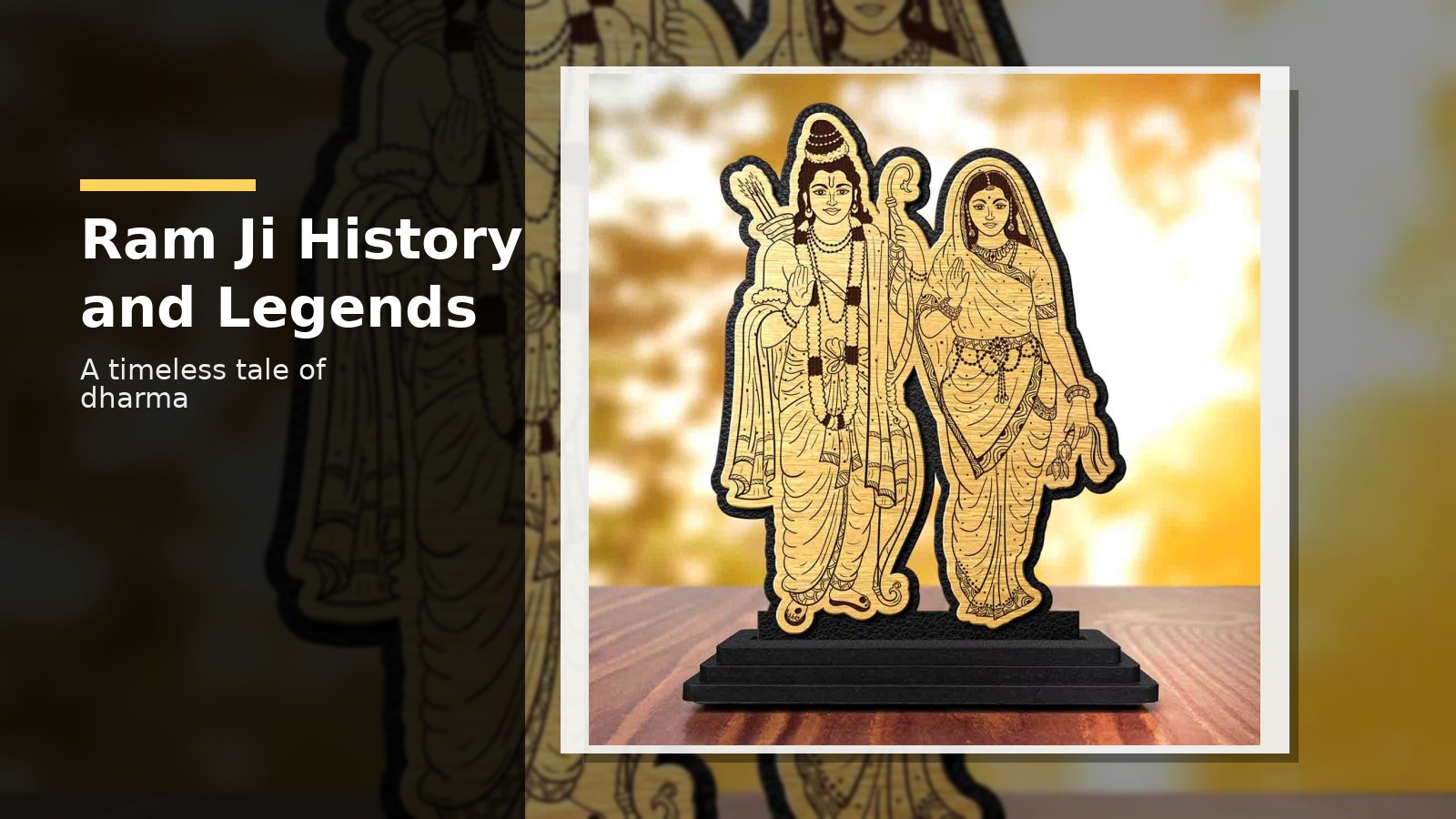
English Version
When elders speak of Ram ji history, it rarely sounds like a distant lesson from the past. It feels more like a family memory passed from one generation to another—soft, steady, and full of meaning. A nani or dadi may begin with the simplest words: “Ram naam se ghar mein shanti aati hai.” And in that one line lives a whole world of faith, story, and symbols.
Ram Ji is not remembered only as a heroic prince or the central figure of the Ramayana. He is loved as Maryada Purushottam—the ideal human being, the one who shows how duty, compassion, courage, and restraint can live together in a single life. That is why Ram ji history is not just about events; it is about values that still guide homes, prayers, and festivals across India and beyond.
Who Is Ram Ji?
In the Hindu tradition, Ram Ji is regarded as the seventh avatar of Lord Vishnu. His life is narrated most famously in the Ramayana, where he is born in Ayodhya to King Dasharatha and Queen Kaushalya. From the beginning, his story is shaped by devotion, responsibility, and the promise of protecting dharma.
People remember him not because his life was easy, but because he walked through difficulty with dignity. That is one reason Ram ji history continues to feel so alive: it speaks to ordinary human struggles—family duty, exile, loss, patience, and eventual victory of truth.
Ram Ji History in the Early Legends
The earliest and most familiar legends around Ram Ji come from the Ramayana tradition. In these stories, his life unfolds in stages that are both deeply human and spiritually luminous.
- Birth in Ayodhya: Ram Ji is born after King Dasharatha performs a sacred ritual, symbolizing divine arrival and blessings for the world.
- Growing up in the royal court: He is known for wisdom, calmness, and respect for elders even in youth.
- Marriage to Sita: His union with Mata Sita becomes one of the most loved symbols of love, faith, and shared destiny.
- Exile to the forest: Ram accepts vanvas with grace, showing how duty can be upheld even in sorrow.
- Battle with Ravana: The victory over Ravana is remembered as the triumph of truth, righteousness, and inner discipline.
These early legends are told again and again because they carry more than narrative. They carry a way of living.
Why Ramayana Remains Central to Ram Ji History
Any meaningful discussion of Ram ji history must come back to the Ramayana. It is the great source that presents Ram Ji as a king, son, husband, brother, warrior, and protector. Yet the epic does not glorify him through power alone. It highlights his restraint, his obedience to dharma, and his deep sense of responsibility toward others.
In many homes, the Ramayana is not only read during religious occasions. It is heard in katha gatherings, recited in temples, and remembered in moments when people seek guidance. The story asks timeless questions: What is the right path when life becomes painful? How do we keep our values when circumstances change? Ram Ji answers with action rather than noise.
Deeper Symbolism of Ram Ji
Behind every image of Ram Ji lies a layer of meaning. This is why his form is so deeply loved in Indian homes and temples. His symbolism speaks quietly but powerfully.
- Ram Ji as dharma: He represents moral order, truth, and the courage to do what is right.
- Ram Ji as the ideal son: His respect for parents is often remembered as a model of family harmony.
- Ram Ji as the ideal ruler: Ayodhya is often imagined as a kingdom guided by justice, care, and balance.
- Ram Ji and Sita: Their relationship is seen as a sacred bond of trust, devotion, and companionship.
- Ram Ji and Hanuman: Their friendship reflects selfless service, surrender, and unwavering faith.
For devotees, Ram Ji is not only a figure from ancient history. He is a mirror for the heart. In his life, people see how to remain truthful without becoming harsh, and kind without losing strength.
Ram Ji, Ayodhya, and Sacred Memory
Ayodhya holds a special place in Ram ji history. It is remembered as the birthplace of Ram Ji and as a sacred city that carries the fragrance of his presence in devotional memory. For centuries, devotees have linked Ayodhya with prayer, pilgrimage, and celebration.
The city becomes especially vibrant during Ram Navami, the festival marking the birth of Ram Ji. Homes and temples fill with bhajans, lamps, fasting, recitation, and a sense of joyful devotion. In many places, the festival is also a reminder of how Ram Ji’s story belongs not only to the past but to living faith.
Festival Significance: Ram Navami and Diwali
Two festivals are especially connected with Ram Ji. Ram Navami celebrates his birth, while Diwali marks his return to Ayodhya after the defeat of Ravana and completion of exile.
Ram Navami brings the feeling of a sacred beginning. Devotees sing, pray, and remember the divine child born to restore righteousness. Diwali, on the other hand, carries the light of return, homecoming, and victory after hardship. Together, these festivals show the emotional range of Ram ji history: birth, separation, struggle, return, and hope.
Famous Temples and Places Linked with Ram Ji
Ram Ji is honored in countless temples, but a few places stand out in devotional memory. Ayodhya remains the most important spiritual center associated with him. There are also many revered shrines and Ram temples across India where devotees gather for darshan, recitation, and prayer.
In South India, devotional traditions often connect Ram Ji with the spread of Ramayana chanting, temple festivals, and local storytelling customs. In North India, Ramleela performances bring his life to the streets and community spaces. Different regions may express devotion in different ways, but the heart of the story remains the same: Ram Ji as the light of dharma.
How Ram Ji Is Remembered in Daily Devotion
For many people, Ram ji history is not only studied during religious events. It enters daily life through a mantra, a framed image, a morning prayer, or a family story told before bed. The name of Ram carries comfort because it reminds devotees of order, protection, and grace.
Common devotional expressions include:
- “Jai Shri Ram” as a greeting of faith and reverence
- Ram naam jap as a meditative practice
- Ramcharitmanas recitation in homes and satsangs
- Ramleela as a cultural retelling of the sacred story
These traditions keep the story close to the heart. They ensure that Ram Ji is not remembered as a distant figure, but as a living presence in prayer and conduct.
Why the Story Still Feels So Personal
Perhaps the deepest reason Ram ji history remains beloved is that it mirrors the inner life of every household. There is affection in the bond between Ram and his parents. There is loyalty in the bond between Ram and Lakshman. There is trust in the love of Ram and Sita. There is service in Hanuman’s devotion. These are not abstract ideas; they are the values that hold families together.
That is why even a small Ram image in a home can feel powerful. It is not merely decor. It becomes a reminder of moral steadiness, warmth, and spiritual balance.
Common Questions About Ram Ji History
Is Ram Ji a historical figure or a divine avatar?
In Hindu belief, Ram Ji is both revered as the divine avatar of Vishnu and remembered through sacred epic tradition. Devotees honor him as a timeless spiritual presence.
Why is Ram Ji called Maryada Purushottam?
He is called Maryada Purushottam because he represents the highest ideal of disciplined conduct, truth, humility, and righteousness.
What is the main source of Ram Ji history?
The Ramayana is the central source, along with later devotional texts and oral traditions that keep his story alive in different regions.
Which festivals are most important in Ram Ji devotion?
Ram Navami and Diwali are especially significant, along with many local celebrations, Ramleela performances, and temple observances.
Why do families still tell Ram Ji stories today?
Because his life carries values that still matter—respect, sacrifice, courage, and devotion. The story continues to guide how people live together.
A Gentle Place for Devotion at Home
For those who keep Ram Ji close in their prayer space, a thoughtfully made idol or murti can become a quiet companion in daily worship. If you are looking for a simple and graceful way to bring that presence home, Explore the related product on our store.
The Ram Sita Wooden Idol 4×5 Inch for Home can be a meaningful addition to a pooja corner, meditation space, or housewarming setup—offering a soft, devotional touch that reflects the spirit of Ram Ji and Mata Sita.
Conclusion
Ram ji history is not only the story of a divine prince. It is the story of how truth can remain gentle, how duty can remain loving, and how faith can remain alive across centuries. From the early legends of Ayodhya to the grand emotions of Ram Navami and Diwali, Ram Ji continues to live in homes, temples, songs, and hearts.
That is why his story never feels old. It feels familiar, like a blessing handed down by the elders—quietly, lovingly, and with lasting grace.
Hindi Version
जब घर के बड़े-बुज़ुर्ग ram ji history सुनाते हैं, तो वह किसी सूखे इतिहास-पाठ जैसी नहीं लगती। वह दादी-नानी की वह कहानी लगती है जिसमें स्नेह भी होता है, मर्यादा भी, और एक ऐसी शांति भी जो मन को धीरे-धीरे छू जाती है। कोई नानी बस इतना कह दे—“राम नाम से घर में बरकत आती है”—तो उस एक वाक्य में पूरा एक संसार समा जाता है।
श्री राम को केवल एक पराक्रमी राजा या रामायण के नायक के रूप में नहीं याद किया जाता। उन्हें मर्यादा पुरुषोत्तम कहा जाता है—ऐसा आदर्श पुरुष, जिसमें कर्तव्य, करुणा, धैर्य और साहस एक साथ दिखाई देते हैं। इसलिए ram ji history केवल घटनाओं की कथा नहीं है; यह उन मूल्यों की कथा है जो आज भी घरों, मंदिरों और पर्वों में जीवित हैं।
राम जी कौन हैं?
हिंदू परंपरा में राम जी को भगवान विष्णु का सातवां अवतार माना जाता है। उनकी सबसे प्रसिद्ध कथा रामायण में मिलती है, जहाँ उनका जन्म अयोध्या में राजा दशरथ और रानी कौशल्या के यहाँ होता है। उनका जीवन शुरू से ही धर्म, कर्तव्य और लोक-मंगल की भावना से जुड़ा हुआ दिखाई देता है।
लोग राम जी को इसलिए याद नहीं करते कि उनका जीवन आसान था, बल्कि इसलिए कि उन्होंने कठिनाइयों में भी मर्यादा नहीं छोड़ी। यही कारण है कि ram ji history आज भी इतनी सजीव लगती है—यह परिवार, त्याग, वनवास, पीड़ा, धैर्य और सत्य की विजय जैसी मानवीय अनुभूतियों को छूती है।
प्रारंभिक कथाओं में ram ji history
राम जी की सबसे प्रारंभिक और लोकप्रिय कथाएँ रामायण परंपरा से आती हैं। इन कथाओं में उनका जीवन कई ऐसे चरणों में खुलता है जो आध्यात्मिक भी हैं और अत्यंत मानवीय भी।
- अयोध्या में जन्म: राजा दशरथ के यज्ञ के बाद राम जी का जन्म दिव्य आगमन और आशीर्वाद का प्रतीक माना जाता है।
- राजमहल में पालन-पोषण: बचपन से ही वे शांत, विनम्र और बड़ों का सम्मान करने वाले बताए गए हैं।
- सीता से विवाह: उनका और माता सीता का संबंध प्रेम, विश्वास और साझा धर्म का सुंदर प्रतीक है।
- वनवास: राम जी ने दुख के बीच भी कर्तव्य को सर्वोपरि रखा।
- रावण पर विजय: इसे सत्य, धर्म और आत्मसंयम की जीत के रूप में देखा जाता है।
इन कथाओं को बार-बार इसलिए सुनाया जाता है क्योंकि वे केवल कथा नहीं, जीवन जीने की दिशा भी देती हैं।
रामायण क्यों है ram ji history का केंद्र?
राम जी के इतिहास और अर्थ को समझने के लिए रामायण सबसे महत्वपूर्ण स्रोत है। इसमें राम जी को पुत्र, पति, भाई, योद्धा और राजा—हर रूप में देखा जाता है। लेकिन यह महाकाव्य उन्हें केवल शक्ति के लिए महान नहीं बताता। यह उनकी विनम्रता, संयम, और धर्म के प्रति निष्ठा को विशेष रूप से रेखांकित करता है।
आज भी कथा-प्रवचनों, मंदिर-पाठ, रामलीला और घरों की पारिवारिक कथाओं में रामायण जीवित है। वह यह प्रश्न पूछती है: जब जीवन कठिन हो जाए, तब सही रास्ता क्या है? राम जी का उत्तर शब्दों में नहीं, आचरण में मिलता है।
राम जी का गहरा प्रतीकात्मक अर्थ
राम जी के हर रूप के पीछे एक गहरा अर्थ छिपा है। यही कारण है कि वे घरों और मंदिरों में इतने प्रिय हैं। उनका स्वरूप धीरे से, लेकिन बहुत प्रभावशाली ढंग से बात करता है।
- धर्म का प्रतीक: वे सत्य, नैतिकता और सही कर्म के प्रतीक हैं।
- आदर्श पुत्र: माता-पिता के प्रति सम्मान को वे सर्वोच्च मर्यादा की तरह दिखाते हैं।
- आदर्श राजा: अयोध्या की कल्पना न्याय, संतुलन और देखभाल से भरे राज्य के रूप में की जाती है।
- राम और सीता: उनका संबंध विश्वास, समर्पण और साथ निभाने की भावना का प्रतीक है।
- राम और हनुमान: यह संबंध सेवा, भक्ति और निःस्वार्थ समर्पण का सुंदर उदाहरण है।
भक्तों के लिए राम जी केवल प्राचीन कथा के पात्र नहीं हैं। वे अंतरात्मा का दर्पण हैं—जहाँ सत्य कठोर हुए बिना मजबूत रह सकता है, और करुणा कमजोर हुए बिना कोमल रह सकती है।
अयोध्या और राम जी की पवित्र स्मृति
ram ji history में अयोध्या का स्थान बहुत विशेष है। इसे राम जी की जन्मभूमि माना जाता है और यह एक ऐसी पवित्र नगरी के रूप में याद की जाती है, जहाँ उनकी उपस्थिति की स्मृति आज भी जीवित है। सदियों से भक्त अयोध्या को प्रार्थना, तीर्थ और उत्सव से जोड़ते आए हैं।
राम नवमी के समय यह नगर विशेष रूप से श्रद्धामय हो उठता है। घरों और मंदिरों में भजन, दीप, उपवास, पाठ और आनंदपूर्ण भक्ति का वातावरण बनता है। यह पर्व याद दिलाता है कि राम जी की कथा केवल अतीत की नहीं, जीवित आस्था की कथा है।
राम नवमी और दीपावली का महत्व
राम जी से जुड़े दो पर्व सबसे अधिक प्रसिद्ध हैं—राम नवमी और दीपावली। राम नवमी उनका जन्मोत्सव है, जबकि दीपावली वह समय है जब रावण-वध और वनवास के बाद उनके अयोध्या लौटने की स्मृति मनाई जाती है।
राम नवमी में नए आरंभ की पवित्रता होती है। भक्त राम जी के जन्म को धर्म की पुनर्स्थापना के रूप में याद करते हैं। दीपावली में घर वापसी, उजाला, और संघर्ष के बाद की विजय का भाव होता है। ये दोनों पर्व मिलकर ram ji history के भावनात्मक विस्तार को दिखाते हैं—जन्म, वियोग, संघर्ष, वापसी और आशा।
राम जी से जुड़े प्रसिद्ध तीर्थ और मंदिर
राम जी की आराधना असंख्य मंदिरों में होती है, लेकिन कुछ स्थान भक्तों की स्मृति में विशेष स्थान रखते हैं। अयोध्या उनका सबसे प्रमुख आध्यात्मिक केंद्र है। भारत भर में अनेक राम मंदिर हैं जहाँ दर्शन, पाठ और प्रार्थना की परंपरा सदियों से चलती आ रही है।
उत्तर भारत में रामलीला के माध्यम से उनकी कथा जन-जीवन का हिस्सा बनती है, जबकि दक्षिण भारत में रामायण-पाठ, भक्ति-गान और स्थानीय कथा परंपराएँ राम जी की स्मृति को जीवंत रखती हैं। अलग-अलग क्षेत्रों की अभिव्यक्ति भिन्न हो सकती है, लेकिन भावना एक ही रहती है—राम जी धर्म के प्रकाश हैं।
दैनिक भक्ति में राम जी की उपस्थिति
बहुत से लोगों के लिए ram ji history केवल पर्वों या किताबों तक सीमित नहीं है। वह रोज़मर्रा के जीवन में एक नाम, एक मंत्र, एक तस्वीर या एक पारिवारिक कथा के रूप में आती है। “राम” नाम स्वयं में शांति और संरक्षण का भाव जगाता है।
भक्ति में प्रचलित कुछ रूप हैं:
- “जय श्री राम” — श्रद्धा और सम्मान का अभिवादन
- राम नाम जप — ध्यान और स्मरण की साधना
- रामचरितमानस पाठ — घरों और सत्संगों में किया जाने वाला पाठ
- रामलीला — पवित्र कथा का सांस्कृतिक मंचन
इन परंपराओं की वजह से राम जी दूर नहीं लगते। वे घर के बहुत पास, प्रार्थना के बहुत पास, और मन के बहुत पास रहते हैं।
यह कथा इतनी निजी क्यों लगती है?
शायद ram ji history के सबसे गहरे आकर्षण का कारण यह है कि यह हर घर के जीवन से मिलती-जुलती है। राम और उनके माता-पिता के संबंध में स्नेह है। राम और लक्ष्मण के बीच निष्ठा है। राम और सीता के बीच विश्वास है। हनुमान की भक्ति में सेवा है। ये सब अमूर्त नहीं, बल्कि परिवार को जोड़ने वाले जीवित मूल्य हैं।
इसीलिए घर में रखा एक छोटा-सा राम स्वरूप भी केवल वस्तु नहीं लगता। वह धर्म, संतुलन और शांति की याद बन जाता है।
राम जी इतिहास से जुड़े आम प्रश्न
क्या राम जी ऐतिहासिक हैं या दिव्य अवतार?
हिंदू विश्वास में राम जी विष्णु के अवतार के रूप में पूजित हैं और रामायण की पवित्र परंपरा के माध्यम से स्मरण किए जाते हैं।
राम जी को मर्यादा पुरुषोत्तम क्यों कहा जाता है?
क्योंकि वे आचरण, सत्य, विनम्रता और धर्मनिष्ठा के सर्वोच्च आदर्श माने जाते हैं।
राम जी history का मुख्य स्रोत क्या है?
मुख्य स्रोत रामायण है, साथ ही बाद की भक्ति-परंपराएँ और मौखिक कथाएँ भी उनकी स्मृति को जीवित रखती हैं।
राम जी भक्ति में कौन-से पर्व सबसे महत्वपूर्ण हैं?
राम नवमी और दीपावली विशेष रूप से महत्वपूर्ण हैं, साथ ही स्थानीय रामलीला और मंदिर-उत्सव भी बहुत प्रिय हैं।
परिवार आज भी राम जी की कहानियाँ क्यों सुनाते हैं?
क्योंकि उनकी कथा में सम्मान, त्याग, साहस और भक्ति जैसे ऐसे मूल्य हैं जो आज भी जीवन को दिशा देते हैं।
घर की पूजा में एक शांत उपस्थिति
जो भक्त राम जी को अपने पूजा-स्थान में करीब रखना चाहते हैं, उनके लिए एक सुंदर और सादगीपूर्ण मूर्ति विशेष अर्थ रख सकती है। यदि आप घर की आराधना के लिए एक कोमल, भक्ति-पूर्ण विकल्प देख रहे हैं, तो Explore the related product on our store.
Ram Sita Wooden Idol 4×5 Inch for Home प्रार्थना-कोने, ध्यान-स्थान या गृहप्रवेश के लिए एक शांत और गरिमामय उपस्थिति दे सकता है।
निष्कर्ष
ram ji history केवल एक दिव्य राजकुमार की कथा नहीं है। यह उस जीवन की कथा है जिसमें सत्य कोमल रह सकता है, कर्तव्य प्रेमपूर्ण रह सकता है, और आस्था सदियों तक जीवित रह सकती है। अयोध्या की प्रारंभिक कथाओं से लेकर राम नवमी और दीपावली की उजली परंपराओं तक, राम जी आज भी घरों, मंदिरों, गीतों और हृदयों में बसे हुए हैं।
इसीलिए उनकी कथा पुरानी नहीं लगती। वह तो जैसे दादी-नानी का दिया हुआ आशीर्वाद हो—धीरे से, प्रेम से, और बहुत लंबे समय तक साथ रहने वाला।
FAQ
What is the meaning of ram ji history?
It refers to the life, legends, devotional traditions, and symbolism associated with Shri Ram, especially through the Ramayana and temple worship.
Why is Ram Ji important in Hindu devotion?
He is seen as an ideal of dharma, compassion, courage, and righteous leadership.
Which places are most sacred in Ram Ji devotion?
Ayodhya is the most sacred place associated with Ram Ji, along with many Ram temples and Ramayana-linked pilgrimage sites.
What does Ram Navami celebrate?
Ram Navami celebrates the birth of Shri Ram and is marked by prayer, fasting, bhajans, and devotional readings.
How does Ram Ji symbolism help devotees?
His symbolism offers a model for family values, moral courage, self-restraint, and faith in difficult times.