
Bharat History: Bharat ke Alag-Roop Aur Kshetriya Parampara
April 18, 2026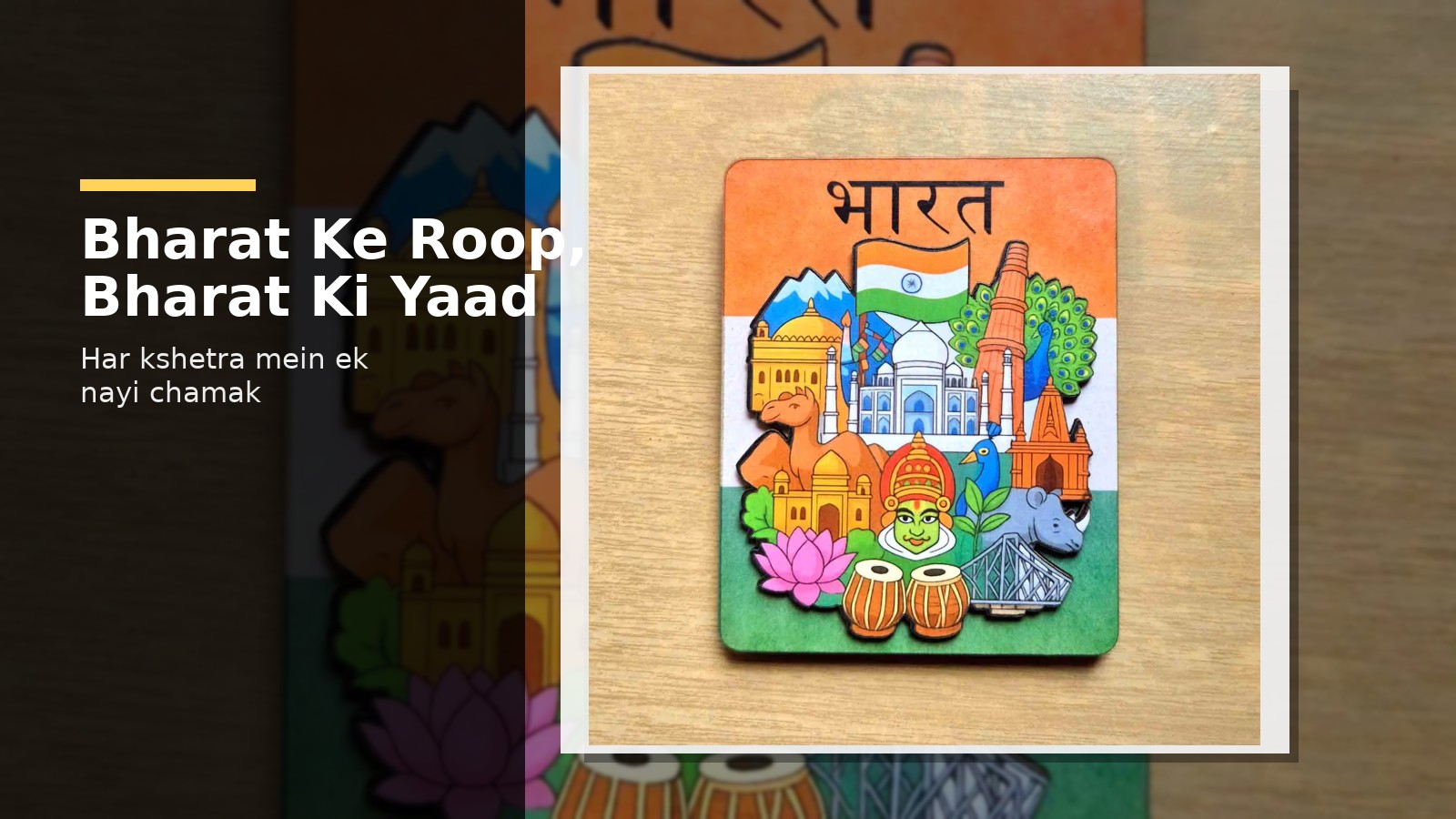
English Version
When we say bharat history, we are not only speaking about dates, dynasties, and empires. We are also speaking about the lived feeling of Bharat—how one land can appear differently in every region, yet still carry the same deep pulse of devotion, belonging, and memory. In one place, Bharat is sung through river worship; in another, through temple bells; somewhere else, through folk songs, village fairs, and the quiet lighting of a lamp at dusk.
This is the beautiful truth of Bharat: it has many forms, but one soul. And if we listen closely, each region tells its own version of the same sacred story.
One Bharat, many beloved forms
In the northern plains, Bharat often arrives as a land of pilgrim routes, grand temples, sacred rivers, and epics remembered in everyday speech. In the western regions, it is felt in bustling cities, desert traditions, merchant culture, and festivals that carry both grandeur and intimacy. In the south, Bharat stands with remarkable continuity—through temple architecture, devotional music, classical traditions, and deeply rooted worship practices. In the east, Bharat becomes tender and artistic, shining through Shakti worship, river life, devotional poetry, and seasonal rituals.
These are not separate stories. They are different lamps lit from the same flame.
A grandmother’s memory of Bharat
Imagine a grandmother sitting in a courtyard at twilight, telling a child about Bharat not as a map, but as a living presence. She may begin with the riverbank where she first heard prayers. Then she may speak of a temple town she visited as a young girl, where the sound of conch shells seemed to make the sky itself pause. Later, she might remember a village festival where women sang, men carried flags, and children ran barefoot through dust and light.
In such memories, Bharat is not abstract. Bharat is felt in the smell of incense, the taste of prasad, the rhythm of bhajans, and the way people greet one another during sacred days. This emotional, lived Bharat is often more powerful than any textbook description.
Regional traditions that shaped devotion
Across India, local worship traditions have given Bharat its many sacred textures. Some regions are known for temple traditions that follow ancient ritual systems. Some communities preserve folk traditions where village deities, seasonal worship, and community festivals remain central. Elsewhere, river worship connects daily life with purity, gratitude, and renewal.
There is also the strong presence of pilgrimage routes, where movement itself becomes devotion. People travel not only to arrive at a place, but to transform through the journey. On these paths, Bharat history is not just remembered—it is experienced.
- Temple worship gives structure to devotion through ritual, darshan, and sacred architecture.
- Folk traditions keep local memory alive through songs, dances, and community gatherings.
- River rituals remind people of cleansing, continuity, and the flow of time.
- Festival culture unites home, street, and shrine in one shared celebration.
When Bharat takes different regional forms
To understand Bharat deeply, one must accept that devotion changes language but not essence. A lamp lit in a South Indian temple courtyard, a aarti sung on the banks of a North Indian river, a Durga celebration in the East, or a desert fair in the West—all are expressions of the same civilizational heart.
Regional forms do not divide Bharat. They enrich it. They show that a sacred idea can live many lives without losing its identity.
Famous places of worship and cultural memory
Bharat’s devotional geography is vast and deeply moving. Sacred places across the country are remembered not only for their religious value but also for the way they hold collective memory. Temple towns, river ghats, mathas, shrines, and pilgrimage circuits all become part of a larger living history.
Some places are known for ancient darshan traditions. Some for grand festivals. Some for quiet, everyday faith. Together, they form a map of devotion that is as emotional as it is historical.
Festival significance in Bharat history
Festivals are one of the strongest ways in which Bharat history continues to breathe. They carry stories forward from one generation to the next. During these days, homes are cleaned, thresholds are decorated, lamps are lit, and food becomes an offering of love. The festival is not only an event; it is a reminder that tradition survives because people live it.
In many households, the festival calendar is also a family calendar. Children learn the old stories through celebrations, and elders pass down the meanings in the warmth of shared meals and prayers.
Symbols that travel across regions
Even though Bharat appears differently from region to region, some symbols remain lovingly familiar. The lamp, the conch, the river, the temple bell, the lotus, the sacred thread, and the prayer flag all carry deep emotional value. These symbols may be used in different ways, but they continue to point toward the same inner truth: reverence, continuity, and faith.
This is why Bharat feels both local and universal. A person may belong to one village, one language, one shrine—but still feel connected to the larger sacred land of Bharat.
Why regional memory matters
Regional memory is not a small detail in Bharat history. It is the heart of it. Without local stories, devotion becomes distant. With them, it becomes alive. The songs of a region, the food prepared for a festival, the way a temple is entered, the stories mothers tell children—these are all threads in the vast cloth of Bharat.
To honor Bharat is to honor its many voices. Not one voice alone, but the whole chorus.
Devotional importance of Bharat
In devotional life, Bharat is often understood as a sacred motherland—a place where dharma, prayer, service, and remembrance meet. This feeling is not limited to one region or one language. It rises wherever people bow their heads with sincerity and live with gratitude.
That is why Bharat continues to inspire poets, pilgrims, saints, and ordinary families alike. Its story is not frozen in the past. It keeps unfolding in homes, temples, streets, and festival grounds even today.
Frequently asked questions
What does Bharat history mean in a cultural sense?
It means understanding Bharat as a living civilization shaped by regions, traditions, worship practices, languages, and shared memory—not just political events.
Why are regional traditions important in Bharat history?
Because they preserve local identity and show how the same spiritual values are expressed differently across India.
How do festivals connect people to Bharat history?
Festivals keep stories, rituals, and values alive across generations, making history something people actively participate in.
What is the role of temples and pilgrimage routes?
They create sacred geography. People travel, remember, worship, and return transformed, carrying history in lived experience.
And if this thought of Bharat’s many forms has touched your heart, you may also enjoy a small keepsake that carries the spirit of travel and memory. Explore the related product on our store.
Hindi Version
Jab hum bharat history bolte hain, toh sirf raja-maharaja, samrajya aur tithiyon ki baat nahi hoti. Hum us Bharat ki baat karte hain jo har kshetra mein alag roop lekar jeeta hai—kahin mandir ki ghanti mein, kahin nadi ke kinare jalti diya-roshni mein, kahin lokgeeton mein, aur kahin ghar ke aangan mein dadi-nani ki kahaniyon mein.
Bharat ki sabse sundar baat yahi hai: iske roop anek hain, lekin atma ek hai. Har pradesh apni boli, apni parampara, aur apne bhakti-bhav ke saath Bharat ko naya rang deta hai.
Ek Bharat, anek pyaare roop
Uttar bharat mein Bharat aksar tirth-yatraon, bade mandiron, nadi snan, aur mahan granthon ki yaad ke saath mehsoos hota hai. Pashchim mein yeh bazaaron ki gatividhi, registani sanskriti, vanik parampara, aur utsavon ki chamak mein dikhta hai. Dakshin mein mandir vastu, bhakti sangeet, aur sadiyon purani pooja-paddhatiyon ke roop mein Bharat ki nirantar dhadkan sunai deti hai. Purab mein Bharat ko Shakti upasana, lok-kala, nadi-jivan, aur mausami parv aur gehra bana dete hain.
Yeh alag kahaniyan nahi hain. Yeh ek hi pavitra agni se jalti hui alag-alag deyein hain.
Dadi ki yaad mein basa Bharat
Sochiye, shaam ke waqt aangan mein baithi ek dadi apne pote-poti ko Bharat ki kahani suna rahi hai. Woh Bharat ko kisi nakshay ki tarah nahi, ek jeevit upasthiti ki tarah batati hai. Pehle woh us nadi ka zikr karti hai jahan usne pehli baar prarthana suni thi. Phir kisi tirth-sthal ki yaad karti hai, jahan mandir ki ghanti sunte hi man thahar gaya tha. Phir kisi gaon ke mele ki baat aati hai, jahan auratein ga rahi thi, bachche dhool aur roshni mein daud rahe the, aur prasad ki khushboo har taraf thi.
Aisi yaadon mein Bharat koi abstract shabd nahi rehta. Bharat mehsoos hota hai—agarbatti ki sugandh, prasad ke swad, bhajanon ki lay, aur pavitra dinon par logon ke namaste mein.
Kshetriya paramparayein jo bhakti ko gadhti hain
Bharat ki alag-alag jagahon par local worship traditions ne is desh ko uski bhakti ki rangat di hai. Kahin mandir parampara bahut purani aur vyavasthit roop mein milti hai. Kahin lok parampara mein gram-devta, mausami pooja, aur samudaayik utsav jeevit rehte hain. Kahin nadi pooja jeevan ko shuddhata, aabhar, aur pravah se jodti hai.
tirth yatra bhi Bharat ki pehchaan ka ek mahatvapurn hissa hai. Yatra keval pahunchne ke liye nahi hoti, balki badalne ke liye hoti hai. In raaston par Bharat history sirf padhi nahi jaati—ji jaati hai.
- Mandir pooja darshan, vidhi, aur pavitra vastu-kala ke madhyam se bhakti ko roop deti hai.
- Lok parampara geet, nritya, aur samudaayik milan se yaad ko zinda rakhti hai.
- Nadi se jude sanskar shuddhata, kshamata, aur samay ki dhara ka smaran karate hain.
- Tyohar sanskriti ghar, gali, aur mandir ko ek saath jod deti hai.
Jab Bharat alag kshetriya roop leta hai
Bharat ko gehraai se samajhne ke liye yeh maanna padta hai ki bhakti bhasha badal sakti hai, par bhav nahi. Dakshin ke kisi mandir ke aangan mein jalta diya, Uttar ke kisi ghat par ki ja rahi aarti, Purab ki Durga puja, ya Pashchim ke kisi lok-mela ki rangat—sab ek hi sabhyata ke hriday se nikli hui abhivyaktiyaan hain.
Kshetriya roop Bharat ko baantte nahi, balki aur samriddh banate hain. Yeh dikhate hain ki pavitra bhav kai jeevan jee sakta hai, bina apni pehchaan khoye.
Pramukh tirth-sthal aur saanskritik smriti
Bharat ka devotional geography bahut vistarit aur hriday sparshi hai. Desh bhar ke pavitra sthal sirf dharmik mahatva ke liye yaad nahi kiye jaate, balki isliye bhi ki woh samudaayik smriti ko sambhalte hain. Mandir nagar, nadi ghats, math, shrines, aur tirth marg milkar ek aisa jeevit naksha banate hain jo itihas jitna hi bhavuk bhi hai.
Kahin sthal pracheen darshan parampara ke liye prasiddh hain. Kahin bhavya tyoharon ke liye. Kahin ek shaant, rozmarra ki shraddha ke liye. Sab milkar bhakti ki ek aisi bhoomi banate hain jo dil ko chhoo leti hai.
Bharat history mein tyoharon ka mahatva
Tyohar hi woh sabse bada madhyam hain jinke through Bharat history saans leti hai. Yeh kahaniyon ko ek peedhi se doosri peedhi tak pahunchate hain. In dino ghar saaf kiye jaate hain, dehleez sajti hai, diye jalte hain, aur bhojan bhi prem ka arpan ban jaata hai. Tyohar sirf ek ghatna nahi, balki yaad dilata hai ki parampara isliye tikti hai kyunki log use jeete hain.
Bahut se gharon mein tyohar ka calendar hi parivar ka calendar hota hai. Bachche kahaniyon ko utsavon se seekhte hain, aur bade log unke arth ko bhojan, prarthana aur ashirwad ke saath aage badhate hain.
Roopak jo har kshetra mein saath chalते hain
Yadyapi Bharat har jagah alag dikhta hai, kuch roopak hamesha pyaare aur pahchane hue rehte hain—diya, shankh, nadi, ghanti, kamal, pavitra dhaga, aur prarthana dhwaj. Inka prayog alag ho sakta hai, par ye sab ek hi sach ki ore ishara karte hain: shraddha, nirantarata, aur vishwas.
Isi liye Bharat ek saath sthaniya bhi lagta hai aur sarvabhaumik bhi. Ek vyakti ek gaon, ek bhasha, ya ek mandir se juda ho sakta hai—phir bhi apne ko is bade pavitra desh ka hissa mehsoos karta hai.
Sthaniya yaad kyon zaroori hai
Bharat history mein regional memory koi chhoti baat nahi hai. Wahi uska hriday hai. Local kahaniyon ke bina bhakti door ki cheez ban jaati hai. Unke saath, woh jeevit ho jaati hai. Kisi kshetra ke geet, tyohar ka bhojan, mandir mein pravesh karne ka tareeka, maaon ki sunai kahaniyan—ye sab Bharat ke vastra ke taane-baane hain.
Bharat ko samman dene ka matlab hai uski anek awaazon ko samman dena. Sirf ek awaaz ko nahi, poore samuh ko.
Bharat ka devotional mahatva
Bhakti ke jeevan mein Bharat ko aksar ek pavitra janmabhoomi, ek dharmik mati, ek aisi dharti maana jaata hai jahan dharma, prarthana, seva, aur smaran milte hain. Yeh bhaav kisi ek bhasha ya ek pradesh tak seemit nahi hai. Jahan log sachche man se sir jhukaate hain aur aabhar ke saath jeete hain, wahi yeh bhaav uthta hai.
Isi liye Bharat aaj bhi kaviyon, yatriyon, santon, aur aam parivaron ko prerit karta hai. Iski kahani keval beetey hue kal mein band nahi hai. Yeh aaj bhi gharon, mandiron, galiyon, aur utsav-sthalon mein nayi shakal le rahi hai.
Aam prashn
Saanskritik roop mein Bharat history ka kya arth hai?
Iska arth hai Bharat ko ek jeevit sabhyata ke roop mein samajhna, jo kshetron, paramparao, bhakti-paddhatiyon, bhashao, aur samudaayik smriti se bani hai—not sirf political events se.
Bharat history mein regional traditions kyon mahatvapurn hain?
Kyoki yeh sthaniya pehchaan ko sambhalte hain aur dikhate hain ki ek hi spiritual value alag-alag jagahon par kaise vyakt hoti hai.
Tyohar Bharat history se kaise jodte hain?
Tyohar kahaniyon, vidhi-vidhan, aur moolyon ko peedhiyon tak pahunchate hain, jisse history ek jeeviya anubhav ban jaati hai.
Mandir aur tirth yatra ka kya role hai?
Yeh pavitra bhaugolik smriti banate hain. Log yatra karte hain, yaad karte hain, pooja karte hain, aur badal kar lautte hain—apne saath history ka anubhav lekar.
Aur agar Bharat ke in anek roopon ki yeh kahani aapke dil ko chhoo gayi ho, toh ek chhota sa travel-memory keepsake bhi dekh sakte hain. Explore the related product on our store.
Quick keywords and related phrases
- India culture
- regional traditions
- temple traditions
- folk traditions
- river worship
- pilgrimage routes
- festival culture