
Ayodhya 3D Travel Fridge History: A Family Memory of Bhakti
May 10, 2026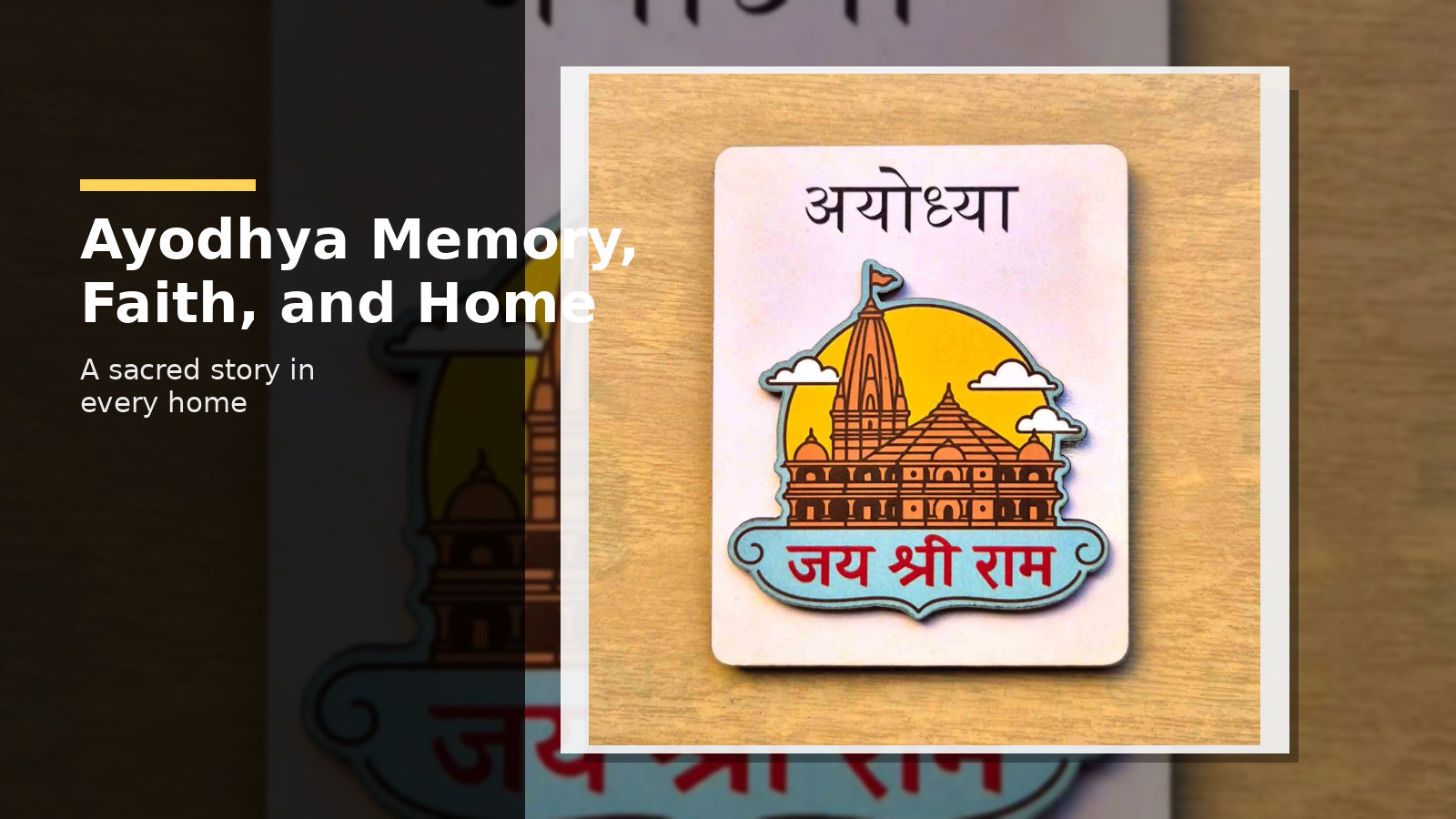
English Version
There are some places that do not live only on maps. They live in prayers, in lullabies, in the old stories spoken softly by grandparents, and in the small objects we keep near us as reminders of faith. The ayodhya 3d travel fridge history is one such story for many families today. It is not only about a destination or a decorative item. It is also about memory, devotion, and the way Ayodhya continues to sit quietly at the heart of household worship.
In many homes, Ayodhya is remembered not as a faraway city alone, but as Ram Janmabhoomi, the sacred land associated with Lord Ram. For generations, parents have spoken of Ram as the ideal son, brother, husband, and king. Children have heard those stories during Ram Katha, festivals, and family prayers. That is why even a small devotional keepsake carrying Ayodhya’s image can feel deeply personal. It becomes a visible reminder of the values that families try to keep alive: maryada, kindness, courage, and devotion.
Who is Lord Ram, and why does Ayodhya matter?
Lord Ram is one of the most beloved deities in Hindu tradition. He is remembered as the maryada purushottam, the one who lived by dharma with grace and discipline. His life story appears in the Ramayana, where he is shown as dutiful, humble, and compassionate even in times of pain and exile.
Ayodhya is considered the birthplace of Lord Ram and therefore holds a special place in the hearts of devotees. The city is mentioned in ancient tradition as a place of peace, righteousness, and sacred memory. For believers, Ayodhya is not only a geographical location but also a symbol of divine presence and cultural continuity.
This is why devotional art connected to Ayodhya often carries more than visual beauty. It carries the feeling of return — return to roots, return to prayer, return to the home stories told by elders.
Ayodhya 3D travel fridge history through family stories
The most moving way to understand the ayodhya 3d travel fridge history is through a simple family memory.
Imagine a festive morning. The kitchen smells of ghee, chai, and fresh poha. Dadi is arranging flowers near the prayer shelf. Nani is reminding the children to wash their hands before touching the thali. Someone has just returned from a pilgrimage or a short spiritual journey, carrying a small Ayodhya magnet as a token. It is placed on the refrigerator door, right beside the shopping list and school timetable.
At first, the magnet looks like a little souvenir. But within days, it becomes part of the house’s rhythm. Every time someone opens the fridge, they see Ayodhya. Every time the child asks, “Dadi, why is this city special?” a story begins.
And that story is usually not told in a lecture-like way. It arrives like a blessing.
- About Lord Ram’s birth in Ayodhya
- About the values of truth and duty
- About the joy of Ram Navami and Diwali celebrations
- About how family prayer becomes stronger when shared together
In this way, the magnet is not merely decor. It becomes a family storyteller.
Symbolism in Ayodhya devotional culture
Ayodhya holds many layers of symbolism. It stands for home, ideal conduct, sacred belonging, and the gentle power of faith. For devotees, Lord Ram is not remembered only for royal glory, but for the way he lived with restraint and compassion. That makes Ayodhya a place where devotion feels both lofty and intimate.
Some of the most familiar symbols associated with Ayodhya and Ram bhakti include:
- The bow and arrow — symbolizing strength, protection, and dharma
- The lotus — standing for purity and spiritual grace
- The diya — especially during Deepavali, when homes glow in remembrance of Ram’s return to Ayodhya
- The temple and the sacred city — representing faith, continuity, and collective devotion
These symbols matter because they help families explain devotion in everyday language. A child may not understand Sanskrit shlokas right away, but they understand a lit diya, a framed image of Ram Darbar, or a magnet on the fridge that keeps Ayodhya in view every day.
Festivals that keep Ayodhya close to the heart
Ayodhya becomes especially vibrant during festivals. The devotion is not limited to one season, but certain occasions make the city’s spiritual meaning shine even more clearly.
Ram Navami is one of the most important festivals associated with Lord Ram. Devotees celebrate his birth with prayers, bhajans, fasting, and processions. In many homes, the day begins with a clean prayer space, flowers, incense, and a sense of quiet joy.
Deepavali also carries special meaning in the Ram tradition, because it remembers the return of Lord Ram to Ayodhya after exile. That story has lived in the Indian household for centuries. It is one reason why lights, rangoli, sweets, and family togetherness feel so deeply connected to Ayodhya.
When a family keeps a small Ayodhya-themed keepsake in the kitchen or prayer corner, it quietly extends that festive spirit through the year.
Famous places of worship connected to Ayodhya
Ayodhya is home to many sacred sites cherished by devotees and pilgrims. Over time, the city has become a place where worship, memory, and heritage meet.
Among the most widely recognized devotional references are:
- Ram Janmabhoomi, revered by devotees as the birthplace of Lord Ram
- Hanuman Garhi, a major temple dedicated to Lord Hanuman, the devoted companion of Ram
- Kanak Bhawan, admired for its devotional association with Ram and Sita
These places are not only pilgrimage spots. They also represent the living culture of reverence that has shaped the city for centuries.
Why family relationships are central to the Ayodhya story
The heart of Ram’s story is family. That is what makes Ayodhya feel so close to ordinary homes.
Ram is remembered as a son who honored his parents, a brother who carried responsibility with love, and a king who understood the burden of duty. Sita represents devotion, dignity, and strength. Lakshman symbolizes loyalty and sacrifice. Hanuman embodies service with complete surrender.
These relationships are why family storytelling around Ayodhya often feels so emotional. Dadi may not say, “This is theology.” She may simply say, “Beta, Ram ji taught us how to stay true even when life becomes hard.” And that one sentence can stay in a child’s memory for years.
This is also why devotional objects from Ayodhya often become family gifts. They are small, but they carry the weight of shared faith.
A modern keepsake with an old spiritual feeling
Today, many people like to bring home small destination-inspired items that remind them of meaningful journeys. A devotional travel magnet is one of the simplest ways to do that. It can sit on a refrigerator, a locker, a metal cabinet, or an office board and gently keep a sacred place in everyday sight.
If you are drawn to this feeling of memory and devotion together, the Ayodhya 3D Travel Fridge Magnet brings that sentiment into a compact form. It is a small way to keep Ayodhya close — not just as a place, but as a living reminder of prayer, family, and cultural belonging.
Common questions devotees ask
Why is Ayodhya so important in Hindu devotion?
Ayodhya is revered as the birthplace of Lord Ram and is associated with dharma, sacred memory, and the ideals Ram represents in Hindu tradition.
What does Ram Navami signify?
Ram Navami celebrates the birth of Lord Ram and is observed with prayer, fasting, bhajans, and devotional gatherings in homes and temples.
Why is Deepavali linked to Ayodhya?
Deepavali is connected with the return of Lord Ram to Ayodhya after exile, which is why lights and celebration are central to the festival.
What is the devotional meaning of keeping Ayodhya symbols at home?
For many families, such symbols create a daily reminder of faith, values, and the stories that keep generations spiritually connected.
Is a travel fridge magnet just decorative?
It can be decorative, but for many devotees it also becomes a memory marker — a small object that keeps a sacred journey and its emotions alive in the home.
Final reflection
The ayodhya 3d travel fridge history is not only about a magnet or a souvenir. It is about how devotion enters the home through small, everyday things. A child notices it. A grandmother explains it. A festival renews it. A prayer makes it glow with meaning.
That is the quiet beauty of Ayodhya in household life: it reminds us that faith is not only found in temples and stories, but also in kitchens, family conversations, and the small sacred corners we create for memory.
If you would like to keep that feeling close, you can Explore the related product on our store.
हिन्दी संस्करण
कुछ स्थान सिर्फ नक्शों पर नहीं रहते। वे प्रार्थनाओं में रहते हैं, दादी-नानी की कहानियों में रहते हैं, और उन छोटे-छोटे सामानों में भी रहते हैं जिन्हें हम अपने पास श्रद्धा के प्रतीक की तरह रखते हैं। ayodhya 3d travel fridge history की कहानी भी बहुत-सी परिवारों के लिए ऐसी ही है। यह सिर्फ एक जगह या एक सजावटी वस्तु की बात नहीं है। यह स्मृति, भक्ति और उस भावना की कहानी है जो अयोध्या को घर-घर के पूजा-भाव के बीच जीवित रखती है।
बहुत से घरों में अयोध्या को केवल एक शहर नहीं, बल्कि राम जन्मभूमि के रूप में याद किया जाता है — भगवान राम की पावन जन्मभूमि। पीढ़ियों से माता-पिता ने राम को आदर्श पुत्र, भाई, पति और राजा के रूप में बताया है। बच्चों ने यह कथाएँ रामकथा, त्योहारों और परिवार की प्रार्थनाओं में सुनी हैं। इसलिए जब अयोध्या की छवि वाला कोई छोटा devotional keepsake घर में आता है, तो वह बहुत निजी और भावनात्मक लगने लगता है। वह हमें मर्यादा, करुणा, साहस और भक्ति की याद दिलाता है।
भगवान राम कौन हैं, और अयोध्या का महत्व क्यों है?
भगवान राम हिंदू परंपरा के सबसे प्रिय देवताओं में से एक हैं। उन्हें मर्यादा पुरुषोत्तम कहा जाता है, यानी वे जिन्होंने धर्म के मार्ग पर गरिमा और अनुशासन के साथ जीवन जिया। रामायण में उनका जीवन कर्तव्य, विनम्रता और करुणा का सुंदर उदाहरण है।
अयोध्या को भगवान राम की जन्मभूमि माना जाता है, इसलिए यह भक्तों के हृदय में विशेष स्थान रखती है। प्राचीन परंपरा में अयोध्या को शांति, धर्म और पवित्र स्मृति का नगर कहा गया है। श्रद्धालुओं के लिए यह केवल एक भौगोलिक स्थान नहीं, बल्कि दिव्य उपस्थिति और सांस्कृतिक निरंतरता का प्रतीक है।
इसी कारण अयोध्या से जुड़ी devotional art सिर्फ सुंदर नहीं होती, बल्कि घर वापसी जैसा भाव भी जगाती है — अपनी जड़ों, अपनी प्रार्थना और अपने परिवार की कहानियों की ओर लौटने का भाव।
परिवार की कहानियों में ayodhya 3d travel fridge history
ayodhya 3d travel fridge history को समझने का सबसे सुंदर तरीका एक साधारण परिवारिक याद के माध्यम से है।
कल्पना कीजिए एक त्योहार की सुबह है। रसोई में घी, चाय और ताज़े नाश्ते की खुशबू है। दादी पूजा की शेल्फ पर फूल सजा रही हैं। नानी बच्चों को याद दिला रही हैं कि थाली छूने से पहले हाथ धो लें। कोई तीर्थ या छोटी-सी यात्रा से लौटकर अयोध्या का एक छोटा magnet साथ लाया है। उसे फ्रिज के दरवाज़े पर चिपका दिया गया है, बिलों और स्कूल टाइम-टेबल के पास।
शुरू में वह सिर्फ एक souvenir लगता है। लेकिन कुछ ही दिनों में वह घर की दिनचर्या का हिस्सा बन जाता है। हर बार जब कोई फ्रिज खोलता है, अयोध्या दिखाई देती है। हर बार बच्चा पूछता है, “दादी, यह शहर इतना खास क्यों है?” एक नई कहानी शुरू होती है।
और वह कहानी अक्सर उपदेश जैसी नहीं होती। वह आशीर्वाद की तरह आती है।
- भगवान राम के अयोध्या में जन्म की कथा
- सत्य और धर्म के मूल्यों की बात
- राम नवमी और दीपावली की प्रसन्नता
- परिवार में साथ मिलकर की गई प्रार्थना की शक्ति
इस तरह यह magnet केवल सजावट नहीं रहता। वह परिवार का कहानीकार बन जाता है।
अयोध्या भक्ति परंपरा में प्रतीकात्मक अर्थ
अयोध्या कई अर्थों से भरा हुआ नाम है। यह घर, आदर्श आचरण, पवित्र अपनापन और श्रद्धा की कोमल शक्ति का प्रतीक है। भक्तों के लिए भगवान राम केवल राजसी वैभव के कारण स्मरणीय नहीं हैं, बल्कि इसलिए भी कि उन्होंने संयम और करुणा के साथ जीवन जिया। इसलिए अयोध्या ऐसा स्थान बन जाता है जहाँ भक्ति ऊँची भी है और आत्मीय भी।
अयोध्या और राम भक्ति से जुड़े कुछ परिचित प्रतीक हैं:
- धनुष-बाण — शक्ति, रक्षा और धर्म का प्रतीक
- कमल — पवित्रता और आध्यात्मिक गरिमा का संकेत
- दीपक — विशेषकर दीपावली में, जब घर राम के अयोध्या लौटने की स्मृति में जगमगाते हैं
- मंदिर और पवित्र नगर — श्रद्धा, निरंतरता और सामूहिक भक्ति का प्रतिनिधित्व
ये प्रतीक इसलिए महत्वपूर्ण हैं क्योंकि वे भक्ति को रोज़मर्रा की भाषा में समझने में मदद करते हैं। हर बच्चा संस्कृत श्लोक तुरंत नहीं समझता, लेकिन वह जलता हुआ दीया, राम दरबार की तस्वीर या फ्रिज पर लगा अयोध्या-थीम वाला छोटा चिन्ह समझ लेता है।
वे त्योहार जो अयोध्या को दिल के और करीब लाते हैं
अयोध्या त्योहारों में विशेष रूप से जीवंत हो उठती है। भक्ति केवल एक मौसम की बात नहीं, लेकिन कुछ अवसर ऐसे होते हैं जब शहर का आध्यात्मिक अर्थ और भी स्पष्ट हो जाता है।
राम नवमी भगवान राम के जन्म का सबसे महत्वपूर्ण पर्वों में से एक है। भक्त उपवास, भजन, पूजा और शोभायात्राओं के साथ इसे मनाते हैं। कई घरों में दिन की शुरुआत साफ पूजा-स्थान, फूल, धूप और शांत आनंद से होती है।
दीपावली का राम परंपरा में विशेष महत्व है, क्योंकि यह भगवान राम के वनवास के बाद अयोध्या लौटने की स्मृति से जुड़ी है। यही वह कथा है जिसने दीप, रंगोली, मिठाई और पारिवारिक एकता को अयोध्या से गहरे जोड़ दिया है।
जब परिवार रसोई या पूजा कोने में अयोध्या-थीम वाला छोटा keepsake रखते हैं, तो वे उस उत्सव-भाव को पूरे वर्ष जीवित रखते हैं।
अयोध्या से जुड़े प्रसिद्ध पूजा-स्थल
अयोध्या में कई पवित्र स्थल हैं जिन्हें भक्त और तीर्थयात्री अत्यंत श्रद्धा से याद करते हैं। समय के साथ यह नगर पूजा, स्मृति और धरोहर का संगम बन गया है।
सबसे प्रसिद्ध संदर्भों में शामिल हैं:
- राम जन्मभूमि — भगवान राम की जन्मस्थली के रूप में श्रद्धेय
- हनुमान गढ़ी — भगवान हनुमान को समर्पित एक प्रमुख मंदिर
- कनक भवन — राम और सीता से जुड़ी भक्ति-परंपरा के लिए प्रसिद्ध
ये स्थान केवल तीर्थ नहीं हैं। ये उस जीवित भक्ति-संस्कृति का प्रतिनिधित्व करते हैं जिसने सदियों से अयोध्या को आकार दिया है।
परिवारिक रिश्ते अयोध्या की कथा के केंद्र में क्यों हैं?
राम की कथा का हृदय परिवार है। इसी वजह से अयोध्या की कहानी आम घरों के बहुत करीब लगती है।
राम ऐसे पुत्र के रूप में स्मरण किए जाते हैं जिन्होंने माता-पिता का सम्मान किया, ऐसे भाई के रूप में जिन्होंने प्रेम के साथ जिम्मेदारी उठाई, और ऐसे राजा के रूप में जिन्होंने कर्तव्य के भार को समझा। सीता समर्पण, गरिमा और शक्ति का प्रतीक हैं। लक्ष्मण निष्ठा और त्याग का प्रतिनिधित्व करते हैं। हनुमान सेवा और पूर्ण समर्पण के प्रतीक हैं।
इन्हीं रिश्तों के कारण अयोध्या पर परिवार की कहानियाँ इतनी भावुक लगती हैं। दादी शायद यह न कहें कि “यह धर्मशास्त्र है।” वे बस इतना कह सकती हैं, “बेटा, राम जी ने सिखाया कि जीवन कठिन हो तब भी सत्य कैसे निभाया जाए।” और यह एक वाक्य बच्चे के मन में वर्षों तक रह सकता है।
यही कारण है कि अयोध्या से जुड़े devotional objects अक्सर उपहार भी बन जाते हैं। वे छोटे होते हैं, लेकिन साझा श्रद्धा का भार लेकर चलते हैं।
पुरानी आध्यात्मिक भावना वाला आधुनिक keepsake
आज बहुत से लोग यात्रा से जुड़ी छोटी चीज़ें घर लाना पसंद करते हैं, जो उन्हें किसी अर्थपूर्ण यात्रा की याद दिलाएँ। devotional travel magnet ऐसी ही सबसे सरल वस्तुओं में से एक है। इसे फ्रिज, लॉकर, धातु की अलमारी या ऑफिस बोर्ड पर लगाया जा सकता है और यह किसी पवित्र स्थान को रोज़मर्रा की नज़र में बनाए रखता है।
अगर आप स्मृति और भक्ति के इस भाव को साथ रखना चाहते हैं, तो Ayodhya 3D Travel Fridge Magnet उसी भावना को एक छोटे और सुंदर रूप में सामने लाता है। यह अयोध्या को पास रखने का एक सधा हुआ तरीका है — सिर्फ एक जगह के रूप में नहीं, बल्कि प्रार्थना, परिवार और सांस्कृतिक अपनापन के जीवित प्रतीक के रूप में।
भक्त अक्सर क्या पूछते हैं?
हिंदू भक्ति में अयोध्या इतनी महत्वपूर्ण क्यों है?
अयोध्या को भगवान राम की जन्मभूमि माना जाता है और यह धर्म, पवित्र स्मृति तथा राम के आदर्शों से जुड़ी हुई है।
राम नवमी का क्या अर्थ है?
राम नवमी भगवान राम के जन्म का उत्सव है, जिसे प्रार्थना, उपवास, भजन और मंदिरों व घरों में भक्ति-समारोह के साथ मनाया जाता है।
दीपावली का अयोध्या से संबंध क्यों है?
दीपावली भगवान राम के वनवास के बाद अयोध्या लौटने की स्मृति से जुड़ी है, इसलिए दीप और उत्सव इस पर्व का मुख्य हिस्सा हैं।
घर में अयोध्या के प्रतीक रखने का आध्यात्मिक अर्थ क्या है?
बहुत-से परिवारों के लिए ऐसे प्रतीक श्रद्धा, मूल्यों और पीढ़ियों को जोड़ने वाली कथाओं की रोज़ाना याद दिलाते हैं।
क्या travel fridge magnet सिर्फ सजावटी होता है?
वह सजावटी हो सकता है, लेकिन अनेक भक्तों के लिए वह स्मृति-चिह्न भी बन जाता है — एक छोटा-सा वस्तु जो पवित्र यात्रा और उसकी भावना को जीवित रखती है।
अंतिम भाव
ayodhya 3d travel fridge history सिर्फ एक magnet या souvenir की कहानी नहीं है। यह इस बात की कहानी है कि भक्ति छोटे-छोटे रोज़मर्रा के माध्यमों से घर में कैसे प्रवेश करती है। बच्चा उसे देखता है। दादी उसे समझाती हैं। त्योहार उसे फिर से जीवंत कर देता है। प्रार्थना उसे अर्थ से भर देती है।
अयोध्या की यही कोमल सुंदरता है — वह हमें याद दिलाती है कि श्रद्धा सिर्फ मंदिरों और कथाओं में नहीं, बल्कि रसोई, परिवारिक बातचीत और उन छोटे पवित्र कोनों में भी बसती है जिन्हें हम अपने घर में बनाते हैं।
अगर आप इस भाव को अपने पास रखना चाहें, तो आप Explore the related product on our store.