
Shiv Ji History: Teachings, Symbols, and Inner Meaning
April 11, 2026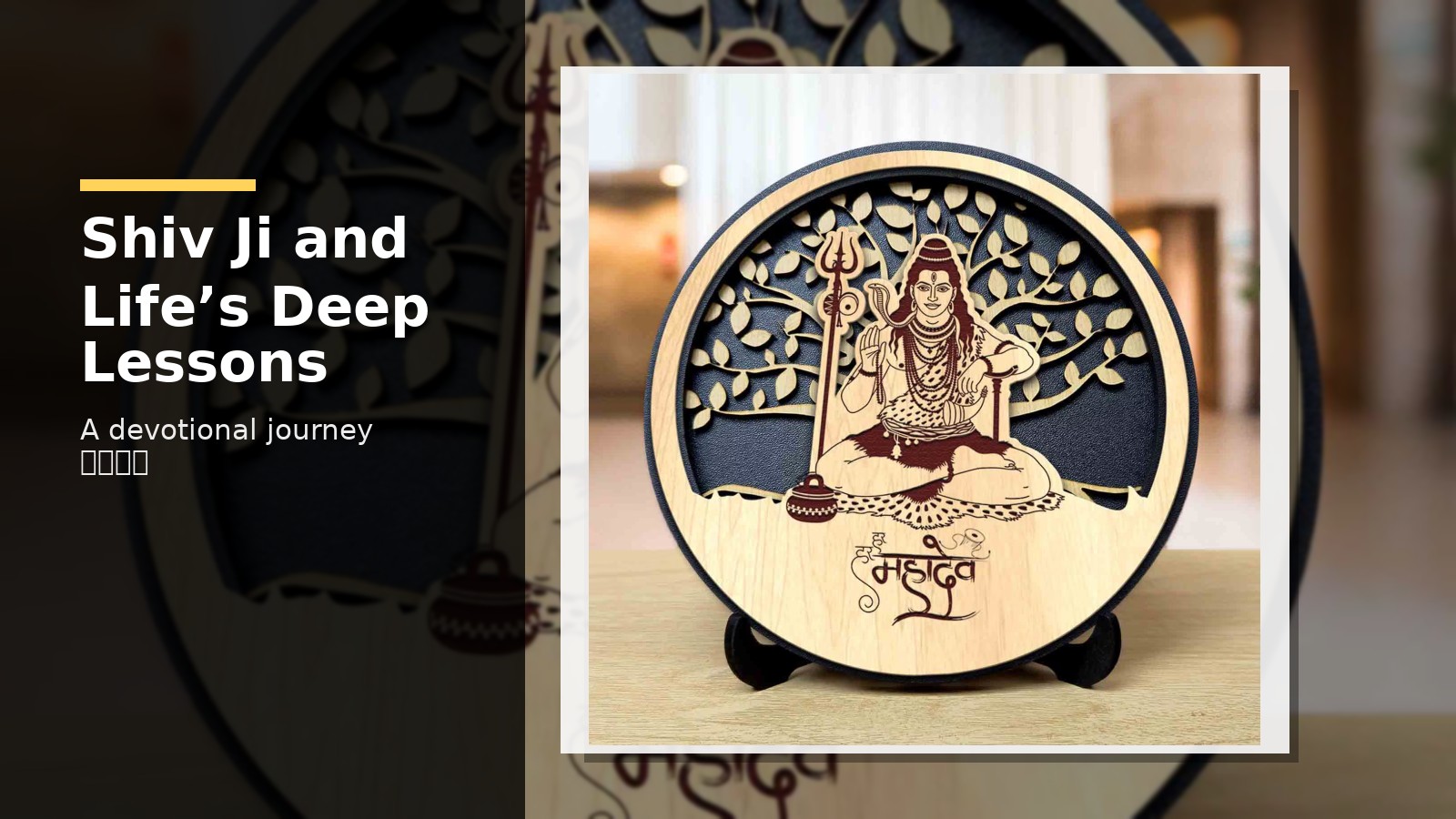
English Version
When people search for shiv ji history, they are often looking for more than dates, names, or temple lists. They are looking for the living feeling behind Mahadev’s story—the quiet strength, the deep stillness, and the way Shiv Ji teaches us to stand firm even when life becomes heavy.
Shiv Ji is not remembered only as the great destroyer in the cosmic cycle. He is also seen as the one who listens without hurry, accepts with compassion, and reminds devotees that true power does not always make noise. Sometimes it sits quietly in the heart, like a lamp burning in a still room.
Who Is Shiv Ji?
Shiv Ji, also known as Mahadev, is one of the most beloved forms of divinity in Hindu tradition. Devotees worship Him as the Lord of transformation, meditation, and liberation. His form carries both tenderness and intensity: the river Ganga in His hair, the crescent moon on His head, the third eye, the sacred serpent, the trishul, and the damru.
Each symbol speaks in its own way. Together, they tell us that Shiv Ji is not only a deity of the mountains and the ashes, but also the deity of inward truth.
Shiv Ji History and the Spirit of Inner Meaning
In many devotional tellings, Shiv Ji history is less about a single linear biography and more about a spiritual presence that appears across ages, stories, temples, and living faith. He is the yogi seated in silence, and He is also the householder who welcomes family life with grace. He is the one who renounces the world, and yet He remains deeply connected to the world’s suffering.
This is why devotees feel so close to Him. Shiv Ji does not stand far away from human struggle. His stories often begin in places where life feels raw, uncertain, or incomplete. And then, through surrender, patience, and devotion, something shifts.
Life Lessons Hidden in Shiv Ji’s Teachings
One reason Shiv Ji history continues to touch hearts is that His teachings are practical for daily life. They are not only for the temple—they are for the kitchen, the office, the hospital room, the study table, and the quiet corner where a person sits after a long day.
- Stillness is strength: Shiv Ji shows that silence can be powerful when the world feels noisy.
- Detachment brings clarity: Not every desire deserves to control the mind.
- Compassion matters: Mahadev is known as easily pleased, yet deeply merciful toward sincere devotion.
- Transformation is sacred: The old self must sometimes fall away for inner growth to begin.
- Balance is wisdom: Through His form with both ascetic and family-life aspects, Shiv Ji teaches harmony.
These values feel simple, but in life they are difficult. That is why devotees return to Shiv Ji again and again. His presence feels like reassurance: you do not have to be perfect to be heard.
Famous Legends Associated with Shiv Ji
Across regions and generations, many beloved stories are told about Mahadev. Some speak of His deep meditation, some of His boundless compassion, and some of the way He responds to sincere prayer. One of the most cherished themes is that Shiv Ji is immediately accessible to those who call upon Him with humility.
Devotees often remember the story of the cosmic balance, where Shiv Ji’s role is to dissolve what is no longer needed so that renewal can happen. This is why He is called the force of transformation. In the heart of a devotee, that teaching becomes personal: sometimes a fear, an ego, or an old wound must be released before peace can enter.
Other stories emphasize His family life with Maa Parvati, Lord Ganesha, and Kartikeya. These stories are loved because they show that divinity can also be intimate, loving, and deeply human in feeling. They explain why families across India keep Shiv Ji close not only in temples, but in everyday memory.
Symbols That Carry Devotional Meaning
When devotees look at Shiv Ji’s symbols, they often see lessons for life. The meaning is inward, not just visual.
- Trishul: A reminder of the power that cuts through ignorance, ego, and confusion.
- Damru: The rhythm of creation and change, like the pulse of the universe.
- Third eye: Inner vision, truth beyond appearance, and awareness beyond distraction.
- Vibhuti or sacred ash: A message that all worldly forms are temporary.
- Serpent: Control over fear and the raw forces of life.
- Ganga in the hair: Purity, grace, and the cooling mercy of divine presence.
These symbols make Shiv Ji history feel alive. They are not just ornaments of tradition. They are spiritual reminders that travel quietly into daily thought.
Shiv Ji Temples and Places of Deep Devotion
Across India, Shiv Ji is worshipped in countless sacred spaces. Among the most widely known are Kashi Vishwanath in Varanasi, Kedarnath in the Himalayas, Somnath in Gujarat, and the Jyotirlinga shrines that devotees visit with great reverence. Each place carries its own atmosphere, yet the feeling is similar: a surrender that becomes lighter the moment one steps inside.
For many pilgrims, the Shiv temple experience is not only about darshan. It is about the quiet before the bells, the fragrance of incense, the water offered with folded hands, and the sense that all burdens can be placed at Mahadev’s feet.
That is the emotional heart of Shiv Ji history—He is worshipped not only in grand temples but also in the stillness of a humble home altar.
Festival Importance in Shiv Ji Worship
Shiv Ji’s devotion comes alive especially during Maha Shivaratri, one of the most important nights for His worship. On this sacred occasion, devotees fast, chant, meditate, and offer bilva leaves, milk, water, and prayers with deep faith. Many believe this is the night of awakening, when the mind turns inward and devotion becomes especially intense.
During Shravan month as well, Shiva worship becomes especially heartfelt. Monday observances, temple visits, and simple home prayers help devotees stay connected to Mahadev’s calming presence. These practices are not only ritualistic; they create a rhythm of surrender and discipline in ordinary life.
How Shiv Ji’s Teachings Can Guide Daily Life
Many people feel drawn to Shiv Ji because His message fits the realities of modern life. When work becomes overwhelming, when emotions feel heavy, or when family life becomes complicated, His story reminds us to pause and breathe.
You can carry Shiv Ji’s teachings into daily life in small ways:
- Begin the day with a quiet moment instead of immediate hurry.
- Practice truthfulness, even when it is uncomfortable.
- Let go of what your mind keeps holding too tightly.
- Choose simplicity where ego once demanded display.
- Offer gratitude before asking for more.
This is where shiv ji history becomes personal. It stops being just a sacred subject and becomes a way to live with more peace, humility, and courage.
Frequently Asked Questions
Why is Shiv Ji called Mahadev?
Devotees call Him Mahadev, meaning the great deity, because He is worshipped as a supreme and deeply compassionate divine presence.
What is the inner meaning of Shiv Ji’s third eye?
The third eye represents inner awareness, spiritual truth, and the power to see beyond illusion.
Why is Shiv Ji associated with ash?
Sacred ash reminds devotees that worldly life is temporary and that inner truth is what remains.
Which festival is most associated with Shiv Ji?
Maha Shivaratri is the most widely celebrated festival dedicated to Shiv Ji, though Shravan worship and Monday observances are also very important.
Why do devotees feel Shiv Ji understands their pain?
Because His stories and symbols reflect stillness, compassion, and transformation, devotees often feel that Mahadev meets them in their quiet struggles.
A Gentle Devotional Closing
In the end, Shiv Ji history is not only about where He is worshipped or what stories are told about Him. It is about what happens inside the heart when a person learns to trust silence, respect change, and surrender fear.
That is why His presence remains so close across generations. A child hears His name, a mother lights a lamp, an elder folds hands before dawn, and somewhere in that small act of devotion, life feels a little lighter.
If you would like to bring that sacred feeling into your home or gifting, you may also Explore the related product on our store.
हिंदी संस्करण
जब लोग shiv ji history खोजते हैं, तो वे केवल तारीखें, नाम या मंदिरों की सूची नहीं ढूँढ रहे होते। वे महादेव की कहानी के पीछे छिपा हुआ जीवंत भाव खोज रहे होते हैं—वह शांत शक्ति, वह गहरी स्थिरता, और वह संदेश जो बताता है कि जीवन भारी हो जाए तब भी कैसे अडिग रहा जाए।
शिव जी को केवल सृष्टि के संहारक रूप में याद नहीं किया जाता। वे उस करुणामय सत्ता के रूप में भी पूजे जाते हैं जो बिना हड़बड़ी सुने, बिना शोर किए शक्ति का अर्थ समझाती है। कभी-कभी असली शक्ति आवाज़ नहीं करती—वह हृदय में दीपक की तरह चुपचाप जलती रहती है।
शिव जी कौन हैं?
शिव जी, जिन्हें महादेव भी कहा जाता है, हिंदू परंपरा के सबसे प्रिय देवस्वरूपों में से एक हैं। भक्त उन्हें ध्यान, परिवर्तन और मोक्ष के स्वामी के रूप में पूजते हैं। उनके स्वरूप में कोमलता भी है और तेज भी: जटाओं में गंगा, मस्तक पर चंद्रमा, तीसरा नेत्र, सर्प, त्रिशूल और डमरू।
हर प्रतीक अपनी अलग भाषा बोलता है। मिलकर वे बताते हैं कि शिव जी केवल पर्वतों और भस्म के देव नहीं, बल्कि भीतर की सत्यता के देव हैं।
Shiv Ji History और भीतर के अर्थ की भावना
कई भक्तिपूर्ण कथाओं में Shiv Ji history एक सीधी रेखा वाली जीवनी नहीं, बल्कि युगों, कथाओं, मंदिरों और जीवित आस्था में प्रकट होने वाली आध्यात्मिक उपस्थिति है। वे योगी हैं जो मौन में बैठे हैं, और वे गृहस्थ भी हैं जो परिवार-जीवन को सहजता से स्वीकार करते हैं। वे संसार से विरक्त भी हैं, और संसार के दुख से गहरे जुड़े भी।
यही कारण है कि भक्त उन्हें अपने इतने करीब महसूस करते हैं। शिव जी मनुष्य के संघर्ष से दूर नहीं खड़े होते। उनकी कथाएँ अक्सर वहीं से शुरू होती हैं जहाँ जीवन अधूरा, कठिन या अस्थिर लगता है। फिर समर्पण, धैर्य और भक्ति के माध्यम से कुछ बदलने लगता है।
शिव जी की शिक्षाएँ और जीवन के सबक
Shiv Ji history को हृदय से जोड़ने वाला एक कारण यह है कि उनकी शिक्षाएँ रोज़मर्रा के जीवन में काम आती हैं। वे केवल मंदिर के लिए नहीं, रसोई, दफ़्तर, अस्पताल, पढ़ाई की मेज़ और उस शांत कोने के लिए हैं जहाँ दिन भर की थकान के बाद कोई बैठता है।
- मौन भी शक्ति है: जब दुनिया शोर से भरी हो, तब चुप्पी बहुत बड़ी ताकत बन सकती है।
- वैराग्य स्पष्टता देता है: हर इच्छा मन पर राज करने के योग्य नहीं होती।
- करुणा सबसे बड़ी बात है: महादेव सच्ची भक्ति से सहज प्रसन्न होने वाले, पर अत्यंत दयालु माने जाते हैं।
- परिवर्तन पवित्र है: नया जीवन शुरू होने से पहले पुराना बोझ गिरना पड़ता है।
- संतुलन ही बुद्धि है: शिव जी तपस्वी और गृहस्थ—दोनों रूपों के माध्यम से समरसता सिखाते हैं।
ये बातें सरल लगती हैं, लेकिन जीवन में इन्हें निभाना कठिन है। इसलिए भक्त बार-बार शिव जी की ओर लौटते हैं। उनका भाव यह दिलासा देता है कि पूर्ण होने की शर्त पर ही प्रार्थना सुनी जाए, ऐसा नहीं है।
शिव जी से जुड़ी प्रसिद्ध कथाएँ
अलग-अलग क्षेत्रों और पीढ़ियों में महादेव से जुड़ी अनेक प्रिय कथाएँ कही जाती हैं। कुछ उनकी गहरी तपस्या के बारे में हैं, कुछ उनकी अपार करुणा के बारे में, और कुछ इस बात के बारे में कि वे सच्ची पुकार का उत्तर कैसे देते हैं। एक बहुत प्यारा भाव यह है कि शिव जी उन लोगों के लिए सहज उपलब्ध हैं जो विनम्रता से उन्हें पुकारते हैं।
कई भक्त उस ब्रह्मांडीय संतुलन की कथा को याद करते हैं, जहाँ शिव जी का कार्य है उस पुरानी चीज़ को मिटाना जो अब आवश्यक नहीं रही, ताकि नया जन्म ले सके। इसलिए उन्हें परिवर्तन की शक्ति कहा जाता है। भक्त के हृदय में यह शिक्षा निजी बन जाती है: कभी-कभी भय, अहंकार या पुराना घाव छोड़ना पड़ता है, तभी शांति प्रवेश करती है।
माँ पार्वती, भगवान गणेश और कार्तिकेय से जुड़ी पारिवारिक कथाएँ भी बहुत प्रिय हैं। ये कथाएँ इसलिए प्रिय हैं क्योंकि वे दिखाती हैं कि दिव्यता केवल दूर की नहीं होती—वह स्नेहपूर्ण, घरेलू और मानवीय अनुभूति भी रखती है। यही कारण है कि भारत के परिवारों में शिव जी केवल मंदिरों में नहीं, स्मृतियों में भी बसे रहते हैं।
प्रतीक जो भीतर का अर्थ बताते हैं
भक्त जब शिव जी के प्रतीकों को देखते हैं, तो उन्हें जीवन के सबक दिखाई देते हैं। अर्थ केवल बाहरी नहीं, भीतर का होता है।
- त्रिशूल: अज्ञान, अहंकार और भ्रम को काटने वाली शक्ति।
- डमरू: सृष्टि और परिवर्तन की लय, जैसे ब्रह्मांड की धड़कन।
- तीसरा नेत्र: अंतर्दृष्टि, सत्य-दर्शन और भ्रम से परे देखने की क्षमता।
- भस्म: यह स्मरण कि संसारिक रूप क्षणिक हैं।
- सर्प: भय और जीवन की प्रबल शक्तियों पर नियंत्रण।
- जटाओं में गंगा: पवित्रता, कृपा और शीतल करुणा का प्रतीक।
ये प्रतीक Shiv Ji history को जीवंत बनाते हैं। ये केवल परंपरा के आभूषण नहीं, बल्कि ऐसे आध्यात्मिक संकेत हैं जो चुपचाप दैनिक चिंतन में उतर जाते हैं।
शिव मंदिर और गहरी भक्ति के स्थान
भारत भर में शिव जी असंख्य पवित्र स्थलों में पूजे जाते हैं। इनमें काशी विश्वनाथ, केदारनाथ, सोमनाथ और अनेक ज्योतिर्लिंग अत्यंत प्रसिद्ध हैं। हर स्थान का अपना वातावरण है, पर भाव एक ही है: जैसे भीतर का बोझ चरणों में रख दिया गया हो।
बहुत से यात्रियों के लिए शिव मंदिर का अनुभव केवल दर्शन नहीं होता। यह घंटियों से पहले की शांति, धूप की सुगंध, जल अर्पण करते हुए जुड़े हाथ, और वह अनुभूति है कि सभी चिंताएँ महादेव के चरणों में रखी जा सकती हैं।
यही Shiv Ji history का भावनात्मक केंद्र है—वे केवल भव्य मंदिरों में नहीं, बल्कि घर के छोटे से मंदिर में भी उतने ही निकट हैं।
शिवरात्रि और शिव उपासना का महत्व
शिव जी की भक्ति सबसे विशेष रूप से महाशिवरात्रि पर जीवंत हो उठती है। इस पावन रात्रि में भक्त उपवास रखते हैं, जप करते हैं, ध्यान करते हैं और बिल्वपत्र, दूध, जल तथा प्रार्थना अर्पित करते हैं। बहुत से लोग इसे जागरण की रात मानते हैं, जब मन भीतर की ओर मुड़ता है और भक्ति गहरी हो जाती है।
श्रावण मास में भी शिव उपासना अत्यंत भावपूर्ण होती है। सोमवार का व्रत, मंदिर दर्शन और घर पर की गई छोटी प्रार्थनाएँ भक्तों को महादेव की शांति से जोड़ती हैं। ये केवल कर्मकांड नहीं, बल्कि समर्पण और अनुशासन की एक मधुर लय बनाती हैं।
शिव जी की शिक्षाएँ रोज़मर्रा के जीवन में कैसे काम आती हैं
बहुत से लोग शिव जी की ओर इसलिए आकर्षित होते हैं क्योंकि उनका संदेश आधुनिक जीवन की वास्तविकताओं से मेल खाता है। जब काम भारी लगे, मन दुखी हो, या परिवारिक जीवन उलझा हुआ लगे, तब उनकी कथा याद दिलाती है कि थोड़ा ठहरो, थोड़ा साँस लो।
आप शिव जी की शिक्षाओं को छोटे-छोटे रूपों में जीवन में उतार सकते हैं:
- दिन की शुरुआत जल्दबाज़ी के बजाय कुछ शांत क्षणों से करें।
- सत्य बोलने का अभ्यास करें, भले वह कठिन लगे।
- जो मन कसकर पकड़े है, उसे थोड़ा छोड़ना सीखें।
- अहंकार जहाँ प्रदर्शन चाहता था, वहाँ सादगी चुनें।
- और माँगने से पहले कृतज्ञता अर्पित करें।
यहीं shiv ji history व्यक्तिगत बन जाती है। यह केवल एक पवित्र विषय नहीं रहती, बल्कि अधिक शांति, विनम्रता और साहस के साथ जीने का तरीका बन जाती है।
अक्सर पूछे जाने वाले प्रश्न
शिव जी को महादेव क्यों कहा जाता है?
भक्त उन्हें महादेव, यानी महान देव, इसलिए कहते हैं क्योंकि वे सर्वोच्च और अत्यंत करुणामय दिव्य सत्ता के रूप में पूजे जाते हैं।
शिव जी के तीसरे नेत्र का क्या अर्थ है?
तीसरा नेत्र आंतरिक जागरूकता, आध्यात्मिक सत्य और माया से परे देखने की शक्ति का प्रतीक है।
शिव जी भस्म से क्यों जुड़े हैं?
भस्म यह याद दिलाती है कि सांसारिक जीवन क्षणिक है और भीतर का सत्य ही स्थायी है।
शिव जी का सबसे प्रमुख पर्व कौन सा है?
महाशिवरात्रि शिव जी से जुड़ा सबसे व्यापक रूप से मनाया जाने वाला पर्व है, हालांकि श्रावण और सोमवार की पूजा भी बहुत महत्वपूर्ण है।
भक्तों को लगता है कि शिव जी उनके दुख को क्यों समझते हैं?
क्योंकि उनकी कथाएँ और प्रतीक मौन, करुणा और परिवर्तन का भाव देते हैं, इसलिए भक्त महसूस करते हैं कि महादेव उनकी चुपचाप चल रही पीड़ा को भी सुन लेते हैं।
एक कोमल समापन
अंत में, Shiv Ji history केवल इस बारे में नहीं है कि उनकी पूजा कहाँ होती है या उनके बारे में कौन सी कथाएँ कही जाती हैं। यह उस परिवर्तन के बारे में है जो तब हृदय में होता है जब मनुष्य मौन पर भरोसा करना, बदलाव का सम्मान करना और भय को समर्पित करना सीखता है।
इसी कारण उनकी उपस्थिति पीढ़ियों तक इतनी निकट बनी रहती है। कोई बच्चा उनका नाम सुनता है, कोई माँ दीप जलाती है, कोई बुज़ुर्ग भोर में हाथ जोड़ता है, और उस छोटे-से भक्ति-कर्म में जीवन थोड़ा हल्का महसूस होने लगता है।
अगर आप इस पवित्र भावना को अपने घर या उपहार में लाना चाहें, तो आप Explore the related product on our store.