
Shiv Ji History: Family Stories, Symbols, and Sacred Meaning
April 9, 2026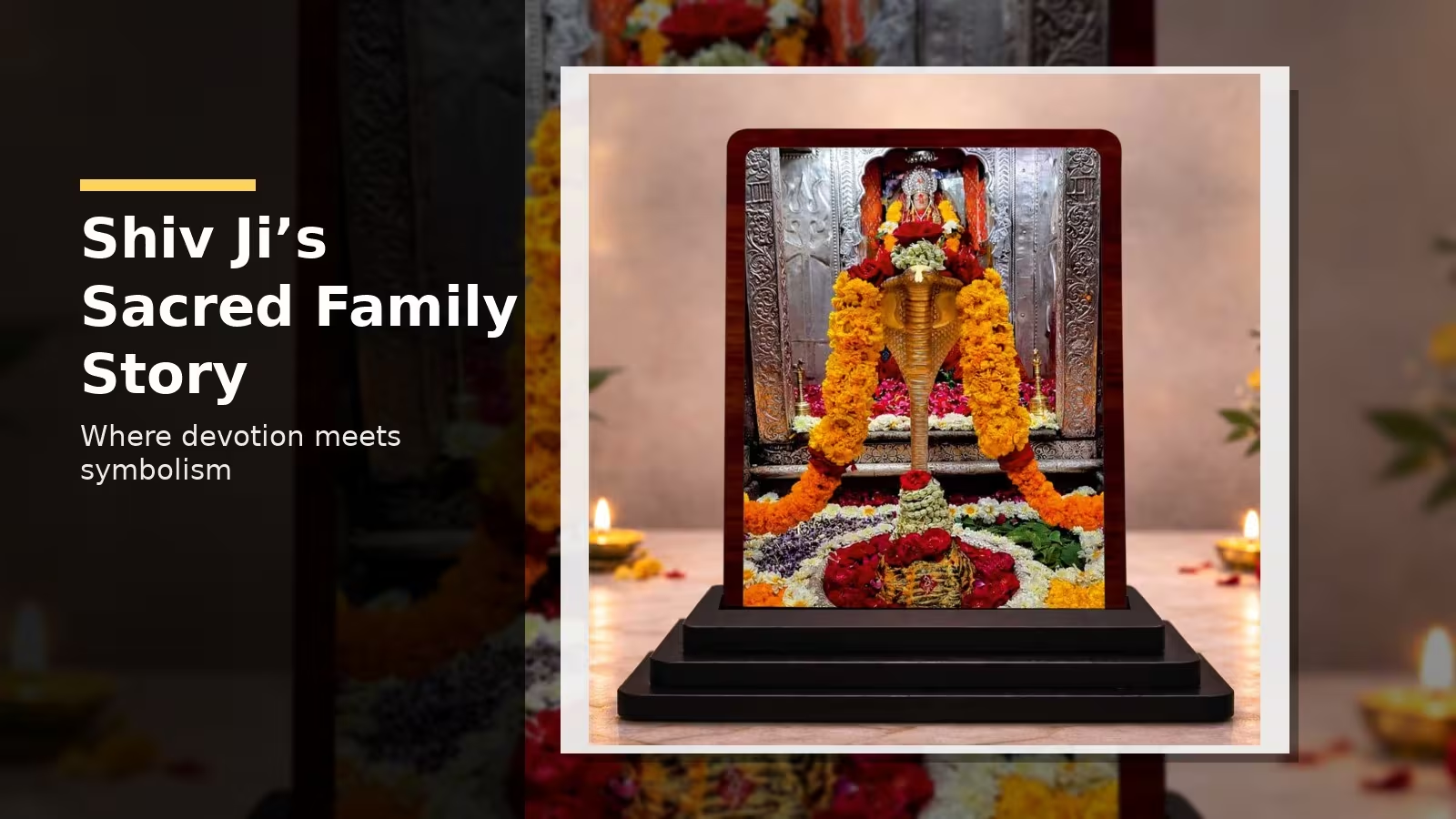
English Version
Shiv ji history is not only about ancient stories and temple traditions; it is also about a divine family that devotees remember with deep affection. When people speak of Mahadev, they often speak softly, as if talking about someone both immense and close at heart. That is the beauty of Shiva’s story. He is the silent yogi, the destroyer of sorrow, and at the same time a loving husband, a tender father, and the protector of all beings.
For many families, Shiv Ji is not a distant deity. He feels like an elder who understands silence, pain, patience, and grace. That is why his history is passed down not only through scriptures, but through stories told by grandmothers, through festival rituals, and through the familiar symbols kept in homes and temples.
Who is Shiv Ji in devotional memory?
Shiv Ji, also called Mahadev, Bholenath, and Shankar, is one of the most revered deities in Hindu tradition. He is often remembered as the one who lives beyond worldly pride, yet remains deeply involved in the lives of devotees. His form carries both stillness and power.
In family stories, Shiva is never only a god of the mountain or the cremation ground. He is also the one who accepted love, accepted responsibility, and accepted the role of fatherhood. This balance is what makes his history feel alive to devotees across generations.
- As a yogi: He shows detachment, discipline, and inward peace.
- As a householder: He shares a sacred bond with Parvati.
- As a father: He is remembered through Ganesha and Kartikeya.
- As Mahadev: He is worshipped as the great protector and transformer.
Shiv Ji history through family stories
The most loved part of Shiv ji history is often the family story. Devotees remember how Parvati’s devotion won Shiva’s heart, not through force, but through steady faith. In many homes, this story is cherished because it speaks to patience, respect, and the power of sincere love.
Then comes the story of Ganesha, the beloved son who became the remover of obstacles. His place in the family story is especially emotional because it reminds devotees that divine relationships can also hold lessons about misunderstanding, recognition, and blessing. Kartikeya, too, carries the strength of divine duty and valor.
These stories matter because they feel human. They show that even in the divine household, there is affection, difference, duty, and reunion. A devotee listening to these tales may feel, “This is not just mythology. This is also how families grow—through love, testing, and forgiveness.”
Why devotees identify emotionally with Shiv Parivar
Shiv Parivar is loved not only for its sacredness, but for its emotional warmth. In many households, the image of Shiva, Parvati, Ganesha, Kartikeya, and Nandi together feels complete, like a family that holds every kind of energy—calm, wisdom, courage, and loyalty.
Devotees often identify with this family because it reflects their own lives:
- Parents see the tenderness of family bonds.
- Children see the comfort of being protected.
- Older devotees see discipline, duty, and devotion.
- Households see harmony, balance, and blessing.
That is why the family stories linked to Shiv Ji continue to travel from one generation to the next. A grandmother tells them during a puja. A mother repeats them during Shravan. A child hears them and remembers them for life.
Meaning behind Shiva’s sacred symbols
No discussion of shiv ji history feels complete without the symbols that devotees revere. Each symbol is simple in appearance, yet deep in meaning.
- Trishul: Often understood as the power that balances creation, preservation, and destruction.
- Damaru: The small drum associated with cosmic rhythm and sound.
- Third eye: Symbol of insight, awareness, and truth beyond the ordinary.
- Snake around the neck: A sign of fearlessness and mastery over time and danger.
- Moon on the head: A reminder of calmness and blessing amid change.
- Ganga in the hair: A sacred image of purity, life, and divine grace.
- Rudraksha: Long cherished in devotion as a sacred bead connected with prayer and remembrance.
These symbols are not meant to be read only as decoration. In devotional life, they are reminders. The Trishul reminds one to stay balanced. The third eye reminds one to seek truth. The crescent moon reminds one that even strength can be gentle.
Shiva and the story of compassion
Shiv Ji history also carries a powerful message of compassion. Devotees remember that Shiva is not only fierce in his cosmic role; he is also kind to those who come with surrender. This is why he is called Bholenath, the simple and easily pleased Lord.
Many people feel close to Shiva because he is worshipped with a leaf, water, milk, or a simple prayer. The devotion does not need grandeur to be meaningful. It needs sincerity. For countless families, this is what makes Shiva’s history feel accessible and tender.
His compassion also appears in the way devotees imagine him receiving the prayers of the poor, the tired, the grieving, and the hopeful. He is the one who listens even when words are few.
Famous places connected with Shiv Ji history
Across India, countless temples and sacred places preserve the living memory of Shiva. Some are especially loved for their spiritual atmosphere and long devotional traditions.
- Kashi Vishwanath, Varanasi: One of the most revered Shiva temples, deeply tied to liberation and devotion.
- Kedarnath: A powerful Himalayan pilgrimage associated with faith, endurance, and sacred stillness.
- Somnath: A major Jyotirlinga temple with a strong place in devotional memory.
- Mahakaleshwar, Ujjain: Loved for its intense spiritual energy and timeless rituals.
- Omkareshwar: Revered as a Jyotirlinga site shaped by the sacred flow of the Narmada.
For first-time pilgrims, these places are not just destinations. They are experiences of atmosphere, prayer, bells, incense, and the quiet feeling that one has stepped into a story older than memory.
Festival significance in Shiva devotion
Shiv Ji is especially remembered during Mahashivratri, when devotees observe fasting, chant mantras, and stay awake in prayer. Many also worship him during the holy month of Shravan, which is filled with devotion, offerings, and pilgrimages.
These observances are powerful because they create rhythm in family life. Children learn the rituals, elders share the stories, and everyone joins in a shared act of remembrance. In that way, Shiva’s history lives not only in books, but in homes, temples, and festivals.
Why the history of Shiv Ji still feels personal today
One reason shiv ji history continues to touch people is that it speaks to ordinary emotions. Love, separation, patience, duty, surrender, and reunion are all part of his story. Devotees do not only admire Shiva; they relate to him.
Someone in pain may seek his stillness. Someone facing change may seek his strength. Someone praying for family peace may remember Shiv Parivar. Someone longing for simplicity may remember Bholenath.
That is why the story remains fresh even after centuries. It does not feel old. It feels lived.
Common questions devotees ask about Shiv Ji history
Why is Shiv Ji called Mahadev?
He is called Mahadev to honor him as the great god, the one whose divine presence is vast, powerful, and deeply revered.
Why is Shiva associated with family life as well as renunciation?
Because his story includes both the stillness of the yogi and the warmth of the householder. Devotees love this balance because it shows that spiritual strength can exist with love and responsibility.
What does the third eye of Shiva symbolize?
It symbolizes inner vision, wisdom, and truth beyond ordinary sight.
Why do devotees offer water and bilva leaves to Shiva?
These offerings are signs of humble devotion. They reflect simplicity, purity, and remembrance.
Which festival is most closely linked with Shiv Ji?
Mahashivratri is the most widely celebrated festival dedicated to Lord Shiva, though Shravan also holds special importance in many regions.
A gentle devotional note
For those who keep Shiva close in their home, a sacred image can become part of daily remembrance. If you wish to bring that quiet presence into your prayer space, you may explore the related product on our store.
In the end, the history of Shiv Ji is not only about ancient time. It is about faith that still breathes in families, in temples, and in the hearts of devotees who remember that the Lord who sits in silence also listens with love.
हिंदी संस्करण
Shiv ji history सिर्फ प्राचीन कथाओं और मंदिर परंपराओं की कहानी नहीं है; यह एक ऐसे दिव्य परिवार की भी कहानी है, जिसे भक्त बहुत स्नेह से याद करते हैं। जब लोग महादेव की बात करते हैं, तो उनकी आवाज़ अपने आप धीमी हो जाती है, जैसे वे किसी बहुत विशाल, लेकिन बहुत अपने से व्यक्ति का ज़िक्र कर रहे हों। यही शिव जी की कथा की सुंदरता है। वे मौन योगी हैं, दुख हरने वाले हैं, और साथ ही एक प्रेमपूर्ण पति, कोमल पिता, और सभी जीवों के रक्षक भी हैं।
बहुत-से परिवारों के लिए शिव जी दूर के देवता नहीं हैं। वे ऐसे बड़े-बुज़ुर्ग जैसे लगते हैं जो मौन, पीड़ा, धैर्य और कृपा को समझते हैं। इसलिए उनकी history सिर्फ शास्त्रों से नहीं, बल्कि दादी-नानी की कहानियों, व्रत-त्योहारों, और घरों व मंदिरों में रखे जाने वाले पवित्र प्रतीकों से भी आगे बढ़ती है।
भक्त स्मृति में शिव जी कौन हैं?
शिव जी, जिन्हें महादेव, भोलेनाथ और शंकर भी कहा जाता है, हिंदू परंपरा के सबसे पूज्य देवताओं में से हैं। उन्हें अक्सर उस रूप में याद किया जाता है जो सांसारिक अहंकार से परे है, लेकिन भक्तों के जीवन से गहरे जुड़े हुए हैं। उनके स्वरूप में स्थिरता भी है और शक्ति भी।
परिवार की कथाओं में शिव केवल पर्वतों या श्मशान के देव नहीं हैं। वे वह भी हैं जिन्होंने प्रेम को स्वीकार किया, दायित्व को स्वीकार किया, और पिता होने का दायित्व निभाया। यही संतुलन उनकी history को पीढ़ियों तक जीवंत बनाए रखता है।
- योगी के रूप में: वे वैराग्य, अनुशासन और भीतर की शांति सिखाते हैं।
- गृहस्थ के रूप में: वे पार्वती के साथ पवित्र संबंध में दिखते हैं।
- पिता के रूप में: गणेश और कार्तिकेय के माध्यम से याद किए जाते हैं।
- महादेव के रूप में: वे महान रक्षक और परिवर्तनकर्ता माने जाते हैं।
परिवार की कहानियों के माध्यम से शिव जी history
shiv ji history का सबसे प्रिय हिस्सा अक्सर उनका पारिवारिक प्रसंग होता है। भक्त याद करते हैं कि पार्वती की भक्ति ने कैसे शिव का हृदय जीता—बल से नहीं, बल्कि निरंतर श्रद्धा से। कई घरों में यह कथा इसलिए प्रिय है क्योंकि यह धैर्य, सम्मान और सच्चे प्रेम की शक्ति बताती है।
फिर गणेश की कथा आती है—प्रिय पुत्र, जो विघ्नहर्ता बने। यह पारिवारिक कथा इसलिए और भी भावुक लगती है क्योंकि यह हमें याद दिलाती है कि दिव्य संबंधों में भी समझ, भूल, पहचान और आशीर्वाद के पाठ छिपे होते हैं। कार्तिकेय भी दिव्य कर्तव्य और वीरता का रूप हैं।
ये कथाएँ इसलिए महत्वपूर्ण हैं क्योंकि वे बहुत मानवीय लगती हैं। इनमें प्रेम भी है, परीक्षा भी है, कर्तव्य भी है, और पुनर्मिलन भी। भक्त को लगता है, “यह केवल पौराणिक कथा नहीं है—यह तो हमारे अपने परिवारों की तरह ही है, जहाँ प्रेम, धैर्य और क्षमा से जीवन बनता है।”
भक्त Shiv Parivar से भावनात्मक रूप से क्यों जुड़ते हैं?
Shiv Parivar केवल पवित्रता के कारण नहीं, बल्कि अपने भावनात्मक अपनापन के कारण भी प्रिय है। कई घरों में शिव, पार्वती, गणेश, कार्तिकेय और नंदी की संयुक्त छवि पूर्णता का अनुभव देती है—जैसे एक ऐसा परिवार जो शांति, बुद्धि, साहस और निष्ठा को साथ लेकर चलता है।
भक्त इस परिवार से इसलिए जुड़ते हैं क्योंकि यह उनके अपने जीवन का प्रतिबिंब लगता है:
- माता-पिता को रिश्तों की कोमलता दिखती है।
- बच्चों को सुरक्षा का भाव मिलता है।
- बुज़ुर्गों को अनुशासन, कर्तव्य और भक्ति दिखाई देती है।
- घर-परिवार को संतुलन और आशीर्वाद का अनुभव होता है।
इसीलिए शिव जी से जुड़ी परिवार कथाएँ पीढ़ी-दर-पीढ़ी आगे बढ़ती हैं। दादी पूजा में सुनाती हैं। माँ श्रावण में दोहराती हैं। बच्चा सुनकर जीवन भर याद रखता है।
शिव के पवित्र प्रतीकों का अर्थ
shiv ji history के साथ उनके प्रतीकों का अर्थ समझना भी ज़रूरी है। हर प्रतीक साधारण दिखता है, लेकिन उसका भाव बहुत गहरा है।
- त्रिशूल: सृष्टि, पालन और संहार के संतुलन का प्रतीक।
- डमरू: ब्रह्मांडीय नाद और लय का संकेत।
- तीसरा नेत्र: अंतर्दृष्टि, जागरूकता और सत्य का प्रतीक।
- गले का सर्प: निर्भयता और समय पर विजय का संकेत।
- माथे का चंद्रमा: परिवर्तन के बीच शांति का भाव।
- जटाओं में गंगा: पवित्रता, जीवन और कृपा का दिव्य चित्र।
- रुद्राक्ष: प्रार्थना और स्मरण से जुड़ी पवित्र भक्ति-परंपरा।
ये प्रतीक केवल सजावट नहीं हैं। भक्त जीवन में इन्हें याद दिलाने वाले संकेत की तरह देखते हैं। त्रिशूल संतुलन सिखाता है। तीसरा नेत्र सत्य खोजने की प्रेरणा देता है। चंद्रमा बताता है कि शक्ति में भी कोमलता हो सकती है।
शिव और करुणा की कथा
Shiv Ji की history में करुणा का संदेश भी बहुत शक्तिशाली है। भक्त याद रखते हैं कि शिव केवल तांडव या विनाश के देव नहीं हैं; वे उन लोगों के प्रति भी अत्यंत कोमल हैं जो सच्चे समर्पण से आते हैं। इसलिए उन्हें भोलेनाथ कहा जाता है—ऐसे प्रभु जो सरलता से प्रसन्न हो जाते हैं।
बहुत-से लोग शिव से इसलिए जुड़ते हैं क्योंकि उनकी पूजा में भव्यता की नहीं, सच्चाई की आवश्यकता होती है। एक पत्ता, जल, दूध या सरल प्रार्थना भी उनके लिए पर्याप्त मानी जाती है। इसी सहजता में भक्ति का सौंदर्य छिपा है।
उनकी करुणा उस कल्पना में भी दिखती है कि वे गरीब, थके, दुखी और आशावान भक्तों की प्रार्थना सुनते हैं। वे वह प्रभु हैं जो कम शब्दों में भी सुन लेते हैं।
शिव जी history से जुड़े प्रसिद्ध तीर्थ और मंदिर
भारत भर में अनेक मंदिर और तीर्थ शिव की जीवंत स्मृति को संजोए हुए हैं। कुछ स्थान अपनी आध्यात्मिक ऊर्जा और परंपरा के कारण विशेष रूप से पूज्य हैं।
- काशी विश्वनाथ, वाराणसी: मोक्ष और भक्ति से जुड़ा अत्यंत पवित्र मंदिर।
- केदारनाथ: हिमालय की गोद में स्थित, श्रद्धा और तप का प्रतीक।
- सोमनाथ: एक प्रमुख ज्योतिर्लिंग, जिसका स्थान भक्तिमय स्मृति में बहुत ऊँचा है।
- महाकालेश्वर, उज्जैन: अपनी गहन आध्यात्मिक ऊर्जा और अनूठी आराधना के लिए प्रसिद्ध।
- ओंकारेश्वर: नर्मदा के प्रवाह से जुड़ा एक अत्यंत पूज्य ज्योतिर्लिंग स्थल।
पहली बार तीर्थ यात्रा पर जाने वाले भक्तों के लिए ये स्थान केवल गंतव्य नहीं होते। वहाँ घंटियों की ध्वनि, धूप की सुगंध, मंत्रोच्चार, और वह मौन भाव होता है, मानो आप किसी बहुत पुरानी और जीवित कथा के भीतर आ गए हों।
शिव भक्ति में त्योहारों का महत्व
शिव जी विशेष रूप से महाशिवरात्रि पर स्मरण किए जाते हैं, जब भक्त उपवास रखते हैं, मंत्र जपते हैं और रात्रि-जागरण करते हैं। श्रावण मास भी शिव उपासना का अत्यंत पावन समय माना जाता है, जब जलाभिषेक, व्रत और यात्राएँ होती हैं।
ये अवसर परिवारों में भक्ति की लय बना देते हैं। बच्चे परंपरा सीखते हैं, बुज़ुर्ग कथाएँ सुनाते हैं, और सब मिलकर स्मरण का हिस्सा बनते हैं। इसी तरह शिव जी की history केवल किताबों में नहीं, घरों और मंदिरों में भी जीवित रहती है।
आज भी शिव जी की history इतनी निजी क्यों लगती है?
shiv ji history लोगों को इसलिए छूती है क्योंकि वह सामान्य मानवीय भावनाओं से बात करती है। प्रेम, विरह, धैर्य, कर्तव्य, समर्पण और पुनर्मिलन—ये सब उनकी कथा में हैं। भक्त केवल शिव की प्रशंसा नहीं करते; वे उनसे अपने जीवन का संबंध महसूस करते हैं।
दुखी व्यक्ति उनकी स्थिरता चाहता है। परिवर्तन से जूझता मन उनकी शक्ति चाहता है। परिवार की शांति की प्रार्थना करने वाला भक्त Shiv Parivar को याद करता है। और सरलता की तलाश करने वाला भोलेनाथ को पुकारता है।
इसीलिए यह कथा सदियों बाद भी पुरानी नहीं लगती। यह जीती-जागती लगती है।
भक्तों के आम सवाल
शिव जी को महादेव क्यों कहा जाता है?
उन्हें महादेव इसलिए कहा जाता है क्योंकि वे महान देवता माने जाते हैं, जिनकी दिव्य उपस्थिति व्यापक और अत्यंत पूज्य है।
शिव को संन्यास और गृहस्थ जीवन दोनों से क्यों जोड़ा जाता है?
क्योंकि उनकी कथा में योगी की स्थिरता और गृहस्थ की कोमलता—दोनों शामिल हैं। भक्त इस संतुलन को बहुत प्रिय मानते हैं।
शिव के तीसरे नेत्र का क्या अर्थ है?
यह अंतर्दृष्टि, ज्ञान और बाहरी दृष्टि से परे सत्य का प्रतीक है।
शिव को जल और बिल्वपत्र क्यों चढ़ाए जाते हैं?
ये सरल, विनम्र और शुद्ध भक्ति के प्रतीक हैं।
शिव जी से सबसे अधिक जुड़ा पर्व कौन सा है?
महाशिवरात्रि शिव भक्ति का सबसे व्यापक पर्व है, जबकि श्रावण भी कई क्षेत्रों में विशेष महत्व रखता है।
एक छोटी-सी भक्ति-भावना
जो भक्त शिव को अपने घर में निकट रखना चाहते हैं, उनके लिए एक पवित्र छवि दैनिक स्मरण का हिस्सा बन सकती है। यदि आप अपने पूजा स्थान में यह शांत उपस्थिति लाना चाहते हैं, तो आप Explore the related product on our store.
अंत में, शिव जी की history केवल बीते समय की कथा नहीं है। यह उस श्रद्धा की कहानी है जो आज भी परिवारों, मंदिरों और भक्तों के हृदय में सांस लेती है—जहाँ मौन प्रभु भी प्रेम से सुनते हैं।
FAQs
What is the main devotional lesson from Shiv Ji history?
The main lesson is balance: strength with compassion, stillness with love, and renunciation with family responsibility.
Why do people feel so close to Shiv Parvati stories?
Because they reflect real human emotions—faith, patience, misunderstanding, love, and reunion.
Which symbols are most associated with Lord Shiva?
The trishul, damaru, third eye, crescent moon, serpent, and Rudraksha are among the most recognized symbols.
What makes Shiva worship feel simple and personal?
Shiva is often worshipped with minimal offerings, which reminds devotees that sincerity matters more than grandeur.