
Sawan and Shiv Devotion: The Daily Rhythm of Bhakti
May 2, 2026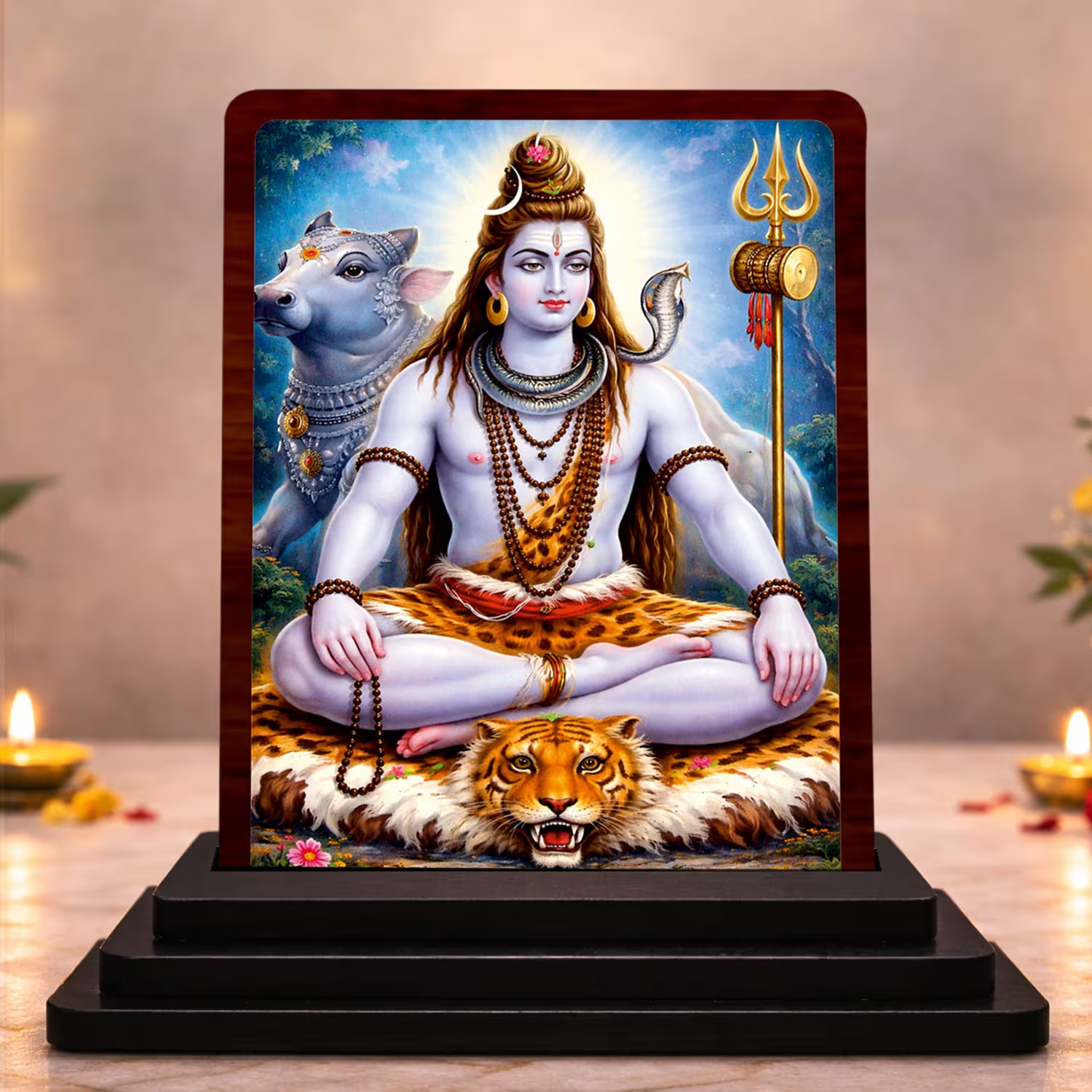
When sawan and shiv devotion begin to fill a home, the feeling is often gentle before it becomes grand. A small bell rings in the morning, a diya glows in the evening, and somewhere between the two, the mind remembers Mahadev again and again. Shiv Ji daily worship is not only about ritual; it is about rhythm. It is the way a household learns to pause, breathe, and return to faith with simple love.
In many homes, devotion to Shiv Ji grows strongest during Sawan, but its roots are planted in everyday life. Some days the prayer is long, some days it is only a folded hand before work. Yet the feeling remains the same: He hears. That quiet trust is what makes household devotion so deeply human.
Who is Shiv Ji in daily devotion?
Shiv Ji, also revered as Mahadev, Bholenath, and Shankar, is worshipped as the compassionate destroyer of ignorance and the giver of inner strength. In homes, people often turn to him for peace, discipline, courage, and emotional balance. Unlike a devotion that waits only for big festivals, Shiv Ji daily worship becomes a living practice—one that stays close to ordinary life.
Many devotees feel that Shiv Ji understands simplicity. A clean space, a little water, a flower, a mantra, and sincere remembrance are enough to begin the day. That is why his worship feels so accessible, especially in family settings where everyone may participate differently but still share the same faith.
Morning prayer: the first remembrance of the day
The morning is often the most cherished time for prayer. Before the noise of the day gathers, devotees bathe, light a lamp, offer water to the Shivling, and chant a few mantras. In many households, this is the time when the heart feels fresh and open.
Common parts of morning Shiv Ji worship include:
- Bathing and wearing clean clothes
- Lighting a diya or incense
- Offering water, milk, or simple flowers where traditionally followed
- Reciting Om Namah Shivaya
- Reading a short prayer or remembering a favorite katha
The beauty of this routine is not in how elaborate it is, but in how steady it becomes. When repeated with love, morning prayer turns into an anchor. It tells the mind: today may be busy, but devotion will stay near.
Evening aarti and the soft return home
If the morning prayer is the opening of the day, the evening aarti is its gentle closing. After work, school, travel, and endless responsibilities, the evening lamp feels like a small homecoming. Families gather, some singing, some simply standing in silence, as the flame circles before Shiv Ji.
Evening worship often carries a different emotion from the morning. It is calmer, more reflective. People ask for forgiveness, for rest, for strength to begin again tomorrow. In that sense, aarti is not only a ritual. It is a conversation between the devotee and the Divine.
The meaning of household devotion
Household devotion is where faith becomes part of daily character. It teaches children to greet the day with gratitude. It reminds elders to keep hope alive. It helps families create a sacred corner where love is expressed not only through words, but through consistent remembrance.
In many homes, Shiv Ji worship is kept simple because simplicity itself becomes the offering. A small mandir shelf, a framed image, or a compact idol can become the center of that sacred rhythm. What matters most is not size, but sincerity.
Here is what household devotion often nurtures over time:
- Patience during difficult days
- Peaceful family atmosphere
- Regular spiritual discipline
- Respect for tradition without pressure
- A sense of protection and inner steadiness
Sawan and Shiv devotion in the month of Shravan
Sawan carries a special tenderness for devotees of Lord Shiva. The month is associated with fasting, worship, temple visits, and deeper remembrance. Rain clouds, fresh leaves, and the scent of wet earth often make the atmosphere feel naturally devotional. It is as if nature itself joins the prayer.
During Sawan, many devotees observe Monday fasts, offer water to Shiv Ji, visit temples, and recite sacred names with extra attention. But the real heart of the month is not just fasting. It is the feeling of closeness. The devotee tries to live a little more consciously, speak a little more kindly, and remember Mahadev a little more often.
This is why sawan and shiv devotion feels so powerful in Indian homes: it connects outer practice with inner change.
Famous temples and living traditions of Shiv Ji
Across India, the devotion to Shiv Ji shines in countless temples and pilgrimage traditions. From the spiritual energy of Kashi Vishwanath in Varanasi to the sacred jyotirlinga shrines, devotees travel with faith, offering prayers that have been repeated for generations. Temples such as Somnath, Mahakaleshwar, Trimbakeshwar, Kedarnath, and Ramanathaswamy hold a special place in the hearts of Shiva devotees.
Yet temple devotion is not separate from home devotion. In fact, the two often feed each other. A pilgrimage may deepen one’s prayer at home, and a daily home practice may make a temple visit feel even more intimate. This is the quiet beauty of Shiv Ji bhakti: it lives both in crowded temple lanes and in a single lamp lit before dawn.
Symbols that guide Shiv Ji worship
Devotees often connect with Shiva through sacred symbols that carry deep meaning. These are not just visual forms; they are reminders of spiritual truths.
- Shivling — a form of worship that represents the formless presence of Shiva
- Trishul — a symbol of divine power and balance
- Damaru — associated with cosmic rhythm and creation
- Snake — a reminder of mastery over fear and ego
- Ganga — associated with grace, purity, and sacred flow
These symbols help devotees remember that Shiv Ji is not only worshipped for blessings, but also for transformation. He is the one who helps the mind become quieter and the heart become braver.
Why daily remembrance matters more than perfection
Many people feel they must perform worship perfectly to make it meaningful. But Shiv Ji devotion has always welcomed the sincere heart. A short prayer offered with faith can be just as powerful as a long ritual done without feeling. The real offering is presence.
That is why daily remembrance matters. It keeps faith alive in ordinary hours. It reminds us that spirituality is not only for special days. It can be folded into breakfast, work, family life, and the quiet moments before sleep.
For many devotees, this is the deepest lesson of Shiv Ji daily worship: return again and again. Not because one has wandered far, but because love naturally likes to come home.
A small corner of devotion at home
Some homes keep a large mandir, while others make space on a shelf, desk, or bedside table. The important thing is that the corner feels respectful and peaceful. A calm image of Shiv Ji can help create that mood, especially in a room where one begins the day or pauses for prayer.
For devotees looking to add a gentle spiritual touch to a small space, a compact piece like the Lord Shiva Wooden Idol 3×4 Inch Desk and Temple Decor Calm Energy can fit naturally into a home mandir, workstation, or festive gift set. It is a simple way to keep Shiva remembrance visible in everyday life.
FAQ: Everyday questions on Shiv Ji devotion
1. What is the best time for Shiv Ji daily worship?
Many devotees prefer early morning and evening. Morning worship helps set a peaceful tone for the day, while evening aarti offers a calm closing.
2. Is Sawan necessary for Shiv Ji devotion?
No, devotion can continue all year. Sawan is especially auspicious and emotionally powerful, but daily remembrance is meaningful in every season.
3. Can a simple home prayer be enough?
Yes. In Shiv Ji worship, sincerity matters greatly. Even a short mantra, a lamp, and a quiet mind can become a complete prayer.
4. Why do families keep a Shiv Ji image at home?
Many families keep an image or idol to maintain a daily spiritual presence, create a peaceful atmosphere, and remind everyone of faith and discipline.
5. What is the deeper meaning of aarti?
Aarti is a way of offering light, gratitude, and surrender. It helps the devotee end the day with remembrance and devotion.
Conclusion
Shiv Ji’s worship in the home is often quiet, but never small. In the morning, it begins the day with grace. In the evening, it gathers the family back into stillness. And during Sawan, it deepens into a fuller remembrance that feels almost like the whole house is praying together.
That is the beauty of sawan and shiv devotion: it is not only a festival mood, but a way of living. A little prayer, repeated with love, can shape the atmosphere of a home for years. And in that sacred rhythm, Mahadev feels wonderfully close.
Hindi Version
जब sawan and shiv devotion घर के भीतर उतरती है, तो उसका असर बहुत धीरे-धीरे, लेकिन बहुत गहराई से होता है। सुबह की आरती, शाम का दीपक, और दिन भर मन में शिव नाम का हल्का-सा स्मरण—यही तो शिव जी की daily worship की असली पहचान है। यह केवल पूजा-पाठ नहीं, बल्कि जीवन की एक मधुर लय है।
बहुत-से घरों में सावन के दिनों में भक्ति और भी गहरी हो जाती है, लेकिन शिव जी की उपासना का बीज तो रोज़मर्रा की आदतों में ही बोया जाता है। कभी एक छोटा-सा मंत्र, कभी जल अर्पण, कभी बस हाथ जोड़कर मन ही मन प्रार्थना—यही सच्ची घरेलू भक्ति है।
शिव जी कौन हैं?
शिव जी, जिन्हें महादेव, भोलेनाथ और शंकर के नाम से भी जाना जाता है, करुणा, वैराग्य, शक्ति और आत्म-शुद्धि के देवता माने जाते हैं। घरों में लोग उनसे शांति, साहस, धैर्य और मन की स्थिरता की प्रार्थना करते हैं।
शिव जी की पूजा में सादगी का अपना ही महत्व है। थोड़ा-सा जल, एक दीपक, कुछ फूल, और सच्चा मन—इतना भी पर्याप्त माना जाता है। यही वजह है कि उनकी भक्ति हर घर के लिए सहज और अपनापन भरी लगती है।
सुबह की पूजा: दिन की पहली याद
सुबह का समय शिव जी की पूजा के लिए बहुत प्रिय माना जाता है। स्नान के बाद स्वच्छ वस्त्र पहनकर दीप जलाना, जल चढ़ाना, और ॐ नमः शिवाय का जप करना—यह सब दिन की शुरुआत को शांत और पवित्र बनाता है।
- स्नान करके स्वच्छ वस्त्र पहनना
- दीपक या अगरबत्ती जलाना
- जल, दूध या पुष्प अर्पित करना
- ॐ नमः शिवाय का जप करना
- संक्षिप्त प्रार्थना या कथा-पाठ करना
सुबह की यह छोटी-सी साधना मन को स्थिर करती है। यह याद दिलाती है कि दिन चाहे कितना भी व्यस्त क्यों न हो, भक्ति अपने स्थान पर बनी रह सकती है।
शाम की आरती: घर लौटने जैसी शांति
अगर सुबह की पूजा दिन की शुरुआत है, तो शाम की आरती दिन का शांत समापन। काम, पढ़ाई, भागदौड़ और थकान के बाद जब घर में दीप घुमाया जाता है, तो लगता है जैसे मन फिर से घर लौट आया हो।
शाम की आरती में एक विशेष भाव होता है—कृतज्ञता, क्षमा-याचना, और अगले दिन के लिए नई शक्ति की प्रार्थना। यह केवल एक रस्म नहीं, बल्कि भगवान से सीधा संवाद है।
घरेलू भक्ति का महत्व
घरेलू भक्ति ही वह जगह है जहाँ धर्म जीवन का स्वभाव बन जाता है। बच्चे सीखते हैं कि दिन की शुरुआत ईश्वर-स्मरण से होती है। बड़े सीखते हैं कि कठिन समय में भी मन को संभालना है। और पूरा परिवार एक ऐसी शांत ऊर्जा के साथ जीना सीखता है, जो घर को मंदिर-सा बना देती है।
बहुत-से घरों में शिव जी की पूजा किसी बड़े आयोजन जैसी नहीं होती। वह एक छोटे-से कोने में, एक तस्वीर में, या एक छोटी मूर्ति के सामने होती है। पर श्रद्धा सच्ची हो, तो वही कोना सबसे पवित्र बन जाता है।
सावन और शिव भक्ति का विशेष संबंध
सावन का महीना शिव भक्तों के लिए बहुत प्रिय होता है। इस समय व्रत, जलाभिषेक, मंदिर दर्शन, और नाम-स्मरण का विशेष महत्व माना जाता है। बादलों से भरा आकाश, भीगी हुई धरती, और हरियाली—सब मिलकर भक्ति का वातावरण बना देते हैं।
इस महीने में लोग सोमवार का व्रत रखते हैं, मंदिर जाते हैं, और शिव नाम का अधिक जप करते हैं। लेकिन सावन की सबसे बड़ी बात केवल उपवास नहीं, बल्कि मन की निकटता है। यही sawan and shiv devotion को इतना जीवंत और आत्मीय बनाती है।
शिव जी के प्रसिद्ध मंदिर और जीवित परंपराएँ
भारत में शिव जी की भक्ति अनेक प्रसिद्ध तीर्थों और मंदिरों में दिखाई देती है। वाराणसी का काशी विश्वनाथ, सोमनाथ, महाकालेश्वर, त्र्यंबकेश्वर, केदारनाथ और रामनाथस्वामी जैसे मंदिर भक्तों के हृदय में विशेष स्थान रखते हैं।
मंदिर की भक्ति और घर की भक्ति अलग नहीं हैं। कई बार तीर्थयात्रा घर की पूजा को और गहरा कर देती है, और घर की नियमित साधना मंदिर दर्शन को और भी आत्मीय बना देती है।
शिव जी के प्रतीक और उनका अर्थ
- शिवलिंग — निराकार शिव की उपासना का प्रतीक
- त्रिशूल — शक्ति, संतुलन और दिव्यता का प्रतीक
- डमरू — सृष्टि की लय और नाद का प्रतीक
- सर्प — भय और अहंकार पर विजय का संकेत
- गंगा — पवित्रता, कृपा और प्रवाह का भाव
ये प्रतीक केवल देखने की चीज़ नहीं, बल्कि भीतर के अर्थ को जगाने वाले संकेत हैं।
पूजा में पूर्णता से अधिक सच्चाई का महत्व
बहुत से लोग सोचते हैं कि पूजा तभी सही मानी जाएगी जब वह पूरी विधि से की जाए। लेकिन शिव भक्ति में भाव की सच्चाई सबसे ऊपर है। एक छोटा-सा मंत्र, एक दीपक, और शांत मन—यह भी पूर्ण प्रार्थना बन सकता है।
रोज़ याद करना ही भक्ति को जीवित रखता है। यही रोज़मर्रा की साधना जीवन को धीरे-धीरे बदलती है।
घर के एक छोटे कोने में शिव स्मरण
कुछ घरों में बड़ा मंदिर होता है, कुछ में बस एक साफ़-सा कोना। पर श्रद्धा हो, तो छोटा कोना भी बहुत बड़ा हो जाता है। अगर आप घर, ऑफिस टेबल या छोटे पूजा स्थान के लिए एक शांत और भक्तिमय स्पर्श चाहते हैं, तो Lord Shiva Wooden Idol 3×4 Inch Desk and Temple Decor Calm Energy एक सुंदर विकल्प हो सकता है।
FAQ: शिव जी की रोज़मर्रा भक्ति से जुड़े सवाल
1. शिव जी की daily worship का सबसे अच्छा समय क्या है?
सुबह और शाम का समय बहुत अच्छा माना जाता है। सुबह की पूजा दिन को शांत बनाती है, और शाम की आरती मन को विश्राम देती है।
2. क्या सावन के बिना भी शिव भक्ति की जा सकती है?
हाँ, बिल्कुल। सावन विशेष महीना है, लेकिन शिव जी की भक्ति पूरे वर्ष की जा सकती है।
3. क्या साधारण घर-पूजा पर्याप्त है?
हाँ। शिव जी की पूजा में सच्चा मन सबसे महत्वपूर्ण है।
4. घर में शिव जी की तस्वीर या मूर्ति क्यों रखते हैं?
ताकि रोज़ ईश्वर-स्मरण बना रहे, वातावरण शांत रहे, और परिवार में आध्यात्मिक अनुशासन बना रहे।
5. आरती का गहरा अर्थ क्या है?
आरती प्रकाश, कृतज्ञता और समर्पण का प्रतीक है। यह दिन के अंत में मन को ईश्वर के चरणों में रख देती है।
अंतिम विचार
शिव जी की भक्ति अक्सर शांत दिखती है, लेकिन उसका असर बहुत गहरा होता है। सुबह की पूजा दिन को सुंदर बनाती है, शाम की आरती घर को फिर से एकत्र करती है, और सावन का महीना भक्ति को और भी सघन कर देता है।
यही तो sawan and shiv devotion की खूबसूरती है—यह केवल पर्व नहीं, बल्कि जीवन जीने की एक पवित्र लय है।