
Lakshmi Ji History: Lesser-Known Legends of Grace
May 10, 2026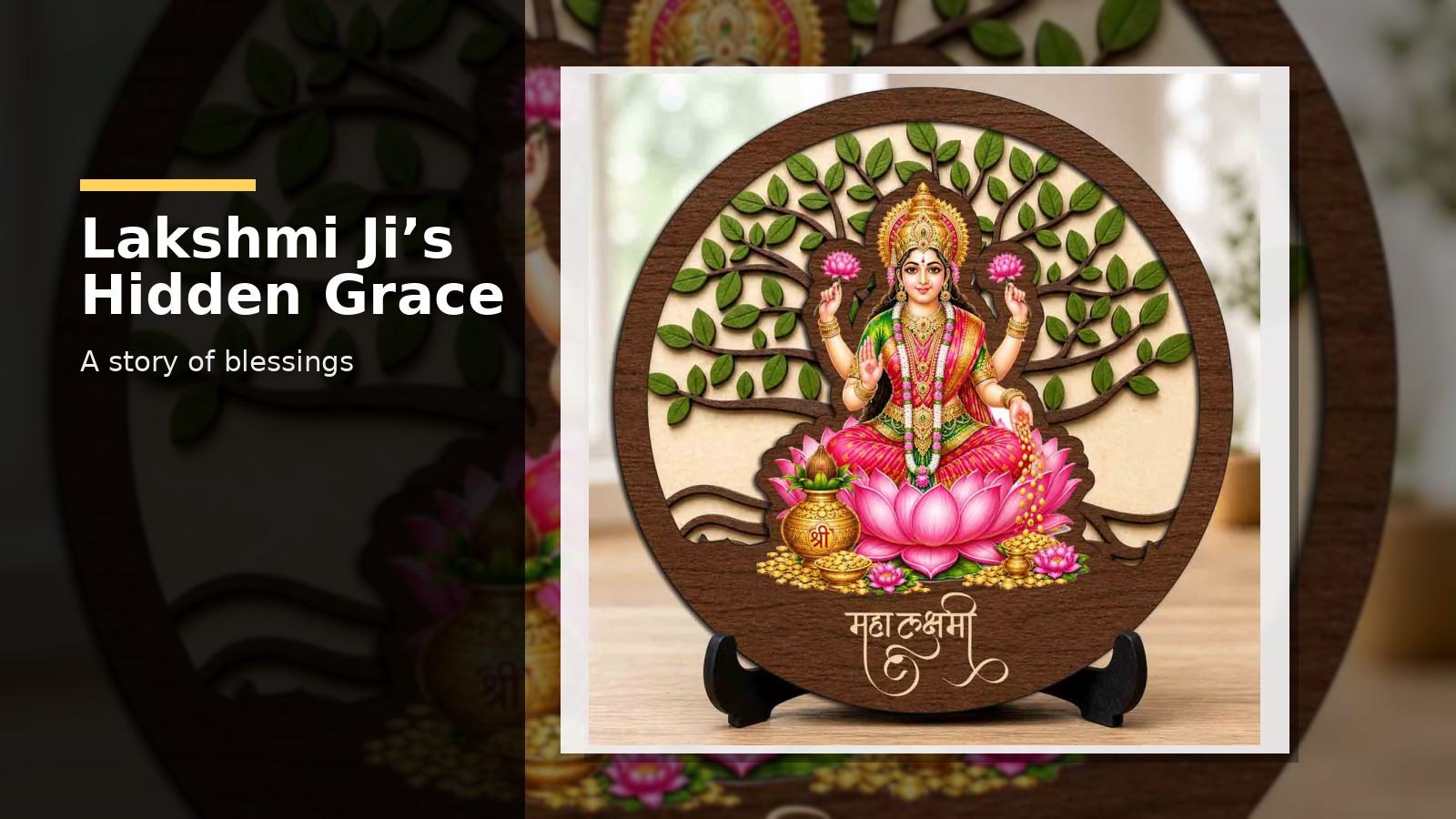
English Version
When people first hear lakshmi ji history, they are often told the familiar parts: she is the goddess of wealth, prosperity, beauty, and good fortune. But in the soft corners of old homes, where a grandmother lights a diya and tells stories to children, Lakshmi Ji is remembered for something deeper too. She is not only the giver of riches; she is the blessing that turns a house into a home, effort into abundance, and prayer into peace.
There are many well-known stories about her, yet some of the most touching traditions are the lesser-known ones. These side-stories reveal how devotees have long understood Lakshmi Ji not just as a goddess of gold, but as a presence of grace, discipline, purity, and loving order. That hidden devotional depth is what makes her worship feel so alive even today.
Who is Lakshmi Ji?
Lakshmi Ji is one of the most beloved deities in the Hindu tradition. She is worshipped as the goddess of wealth and prosperity, but in a broader sense, her blessings include health, peace, good conduct, auspiciousness, and harmony in the home. In many traditions, she is also seen as the divine energy that supports Lord Vishnu, appearing wherever dharma, devotion, and balance are protected.
Her image is familiar and deeply symbolic: she sits or stands on a blooming lotus, often with elephants nearby, and coins flowing from her hands. Each detail speaks gently, almost like a whisper from the old scriptures and village temples alike. Lakshmi Ji does not only promise material abundance. She reminds devotees that true prosperity is clean, balanced, and shared with humility.
Lakshmi Ji history and the quieter legends devotees remember
In the most famous telling, Lakshmi Ji appears during the Samudra Manthan, the churning of the cosmic ocean. From the waters of deep struggle and divine effort, she emerges radiant and peaceful, seated on a lotus. That image itself is powerful: beauty rising from difficulty, grace arriving after churn and hardship.
But there is another devotional thread people often hear from elders. Lakshmi Ji is said to be naturally drawn to purity, calm, and order. This is why households traditionally clean their homes, decorate entrances, and create a welcoming threshold before worship. The meaning is simple yet profound: where there is care, discipline, and loving attention, her presence is invited.
Another gentle tradition says that Lakshmi Ji does not stay where arrogance, greed, or disorder rule the home. This is not meant as fear, but as moral teaching. Prosperity must be protected by character. Wealth without gratitude becomes restless. Beauty without kindness becomes empty. Lakshmi Ji’s history, in this sense, is also a lesson in how to live.
The lotus, the coins, and the elephants: hidden symbolism
One reason Lakshmi Ji’s form feels so memorable is that every symbol around her carries meaning.
- The lotus represents purity. It grows in muddy water but remains untouched, just as devotion is meant to remain clean even in difficult surroundings.
- The coins flowing from her hands show abundance that keeps moving. Prosperity is not meant to be hoarded only for oneself.
- The elephants symbolize royal dignity, strength, and the nourishing power of rain and fertility in older cultural imagination.
- Her calm face reminds devotees that wealth without peace is incomplete.
These symbols are not just decorative. They are part of the spiritual language of Lakshmi Ji history. The goddess teaches through form what sermons often say in words: stay pure, stay generous, stay steady, and prosperity will have a place to rest.
A lesser-known side-story: Lakshmi Ji and the threshold of the home
In many Indian homes, especially during festivals, the doorway is cleaned, decorated with rangoli, and marked with lamps. This practice is often linked to Lakshmi Ji in a very tender way. The doorway is not just an entrance; it is a promise. It says the home is ready to receive auspiciousness.
Grandmothers often teach children that Lakshmi Ji enters where the threshold is bright, respectful, and cared for. That is why lamps are lit at dusk, why floors are swept, and why the first light of the evening feels special. This is not merely ritual. It is a devotional habit that trains the heart to welcome blessings with intention.
In that sense, Lakshmi Ji history is also household history. It lives in everyday gestures: the neat altar, the fresh flowers, the soft sound of prayer, the offering made without pride. Many devotees may not call it theology, but it is devotion all the same.
Why Diwali feels incomplete without Lakshmi Ji
For many families, Diwali is the most important time to remember Lakshmi Ji. Her worship on this festival is not only about asking for money or success. It is about beginning a new cycle with light, gratitude, and hope. The lamps, the sweets, the new clothes, the cleaned spaces, and the prayers together create an atmosphere where the home feels aligned with blessing.
During Diwali puja, devotees often invite Lakshmi Ji along with Lord Ganesha, seeking prosperity with wisdom. This pairing is deeply meaningful. Prosperity should be guided by intelligence, patience, and right action. Otherwise, it may come and go without becoming lasting good fortune.
This is one of the reasons Lakshmi Ji continues to remain close to daily life. She is not worshipped only in temples. She is remembered in shops, offices, family mandirs, and at the entrance of homes because her blessings are seen as practical, living, and immediate.
Famous places of worship and living devotion
Across India, Lakshmi Ji is worshipped in countless temples and shrines, often as part of a divine pair or family of deities. Some of the most famous traditions connected to her include temples dedicated to Mahalakshmi, where devotees come seeking balance, prosperity, and peace of mind. In many regions, her presence is especially revered in temples during festivals, prayers for business success, and housewarming rituals.
Devotion to Lakshmi Ji also appears in regional forms and local customs. In South India, her worship is deeply woven into family pujas and sacred days. In western and northern homes, her image is often placed in the puja room near lamps, incense, and offerings of flowers. The form may differ, but the feeling is the same: reverence for the gentle power that sustains life.
The devotional meaning behind Lakshmi Ji worship
At heart, Lakshmi Ji worship teaches a beautiful truth: prosperity is not only something to receive, but something to prepare for. Cleanliness, gratitude, charity, discipline, and devotion create the inner space where blessings can remain.
Devotees often pray to her for:
- peace in the home
- steadiness in finances
- success in work and business
- goodness in speech and conduct
- growth that feels auspicious, not restless
That is why Lakshmi Ji’s presence feels both tender and powerful. She is not only about gaining more. She is about becoming worthy of what is given.
A small idol, a quiet corner, and daily remembrance
Many devotees today like to keep a compact Lakshmi Ji form in a puja room, study table, office desk, or prayer shelf, especially when they want a calm and simple devotional corner. A neat Lakshmi Ji wooden idol can serve that purpose beautifully, adding a gentle spiritual presence without overwhelming the space. If you are creating such a corner at home, you may wish to explore the related product on our store.
What matters most, of course, is not the size of the idol but the feeling with which it is placed. Lakshmi Ji responds to sincerity. A clean corner, a steady lamp, a quiet prayer, and a grateful heart are often enough to make devotion feel complete.
FAQ
Why is Lakshmi Ji associated with wealth and prosperity?
Because she is understood as the divine force that blesses abundance, harmony, and auspiciousness. Her worship is also tied to the idea that prosperity should be pure and balanced.
What does the lotus in Lakshmi Ji’s image mean?
The lotus symbolizes purity and spiritual beauty. It grows in muddy water but remains untouched, much like the ideal devotee who stays clean in thought and action.
Why is Lakshmi Puja especially important on Diwali?
Diwali is a festival of light, and Lakshmi Puja on this day represents welcoming blessings, renewal, and hope into the home and family life.
What is the deeper lesson in Lakshmi Ji history?
The deeper lesson is that wealth alone is not enough. Gratitude, cleanliness, discipline, and kindness are what make prosperity lasting and sacred.
Is Lakshmi Ji worship only for business success?
No. Devotees also pray for peace, health, family harmony, good conduct, and a home atmosphere filled with auspiciousness.
Conclusion
The beauty of Lakshmi Ji history is that it is both grand and intimate. It belongs to the cosmic story of the ocean’s churning, and it also belongs to the small lamp burning quietly in a home at dusk. She is the goddess of abundance, yes, but also of order, gratitude, and gentle grace.
Perhaps that is why her stories continue to live in such a human way. They tell us that blessings are not random. They arrive where there is devotion, care, and a heart ready to receive them with humility.
हिन्दी संस्करण
जब लोग पहली बार lakshmi ji history सुनते हैं, तो अक्सर उन्हें वही परिचित बातें बताई जाती हैं: लक्ष्मी जी धन, समृद्धि, सौंदर्य और सौभाग्य की देवी हैं। लेकिन पुराने घरों के कोनों में, जहाँ दादी दीया जलाकर बच्चों को कहानी सुनाती हैं, वहाँ लक्ष्मी जी को एक और गहरे रूप में याद किया जाता है। वे केवल धन देने वाली देवी नहीं हैं; वे वह आशीर्वाद हैं जो घर को घर बनाता है, मेहनत को फल देता है, और प्रार्थना को शांति में बदल देता है।
उनके बारे में कई प्रसिद्ध कथाएँ हैं, लेकिन कुछ सबसे मार्मिक परंपराएँ वे हैं जो कम सुनी जाती हैं। ये छोटी-सी कहानियाँ बताती हैं कि भक्तों ने लक्ष्मी जी को केवल सोने-चाँदी की देवी नहीं, बल्कि कृपा, अनुशासन, पवित्रता और प्रेमपूर्ण व्यवस्था की उपस्थिति के रूप में भी समझा है। यही छिपी हुई भक्ति-गहराई आज भी उनकी पूजा को जीवंत बनाए रखती है।
लक्ष्मी जी कौन हैं?
लक्ष्मी जी हिंदू परंपरा की सबसे प्रिय देवियों में से एक हैं। उन्हें धन और समृद्धि की देवी के रूप में पूजा जाता है, लेकिन व्यापक अर्थ में उनकी कृपा स्वास्थ्य, शांति, सदाचार, शुभता और घर के सामंजस्य में भी मानी जाती है। कई परंपराओं में वे भगवान विष्णु की दिव्य शक्ति के रूप में देखी जाती हैं, जो धर्म, भक्ति और संतुलन की रक्षा के साथ प्रकट होती हैं।
उनका स्वरूप बहुत परिचित और अर्थपूर्ण है: वे कमल पर विराजमान होती हैं, पास में हाथी होते हैं, और उनके हाथों से सिक्कों की वर्षा होती है। हर संकेत अपने भीतर एक गहरी भाषा रखता है। लक्ष्मी जी केवल भौतिक संपत्ति का वचन नहीं देतीं। वे याद दिलाती हैं कि सच्ची समृद्धि स्वच्छ, संतुलित और विनम्र होती है।
lakshmi ji history और भक्तों की याद रखी गई शांत कथाएँ
सबसे प्रसिद्ध कथा में लक्ष्मी जी समुद्र मंथन से प्रकट होती हैं। गहन प्रयास और दिव्य संघर्ष के बीच से, वे कमल पर बैठी हुई, तेजस्वी और शांत रूप में निकलती हैं। यह दृश्य ही बहुत शक्तिशाली है: कठिनाई के बाद सुंदरता का उदय, मंथन के बाद कृपा का आगमन।
लेकिन एक और भक्ति-धारा भी है, जिसे बुज़ुर्ग अक्सर सुनाते हैं। कहा जाता है कि लक्ष्मी जी स्वच्छता, शांति और व्यवस्था की ओर स्वाभाविक रूप से आकर्षित होती हैं। इसलिए परंपरागत रूप से घरों की सफाई की जाती है, द्वार सजाए जाते हैं, और पूजा से पहले स्वागत की तैयारी की जाती है। इसका अर्थ बहुत सुंदर है: जहाँ देखभाल, अनुशासन और प्रेम होता है, वहाँ उनकी उपस्थिति आमंत्रित होती है।
एक और मधुर परंपरा कहती है कि लक्ष्मी जी वहाँ नहीं टिकतीं जहाँ अहंकार, लोभ या अव्यवस्था हावी हो। यह डराने के लिए नहीं, बल्कि जीवन-शिक्षा के रूप में है। समृद्धि को चरित्र से संभालना पड़ता है। कृतज्ञता के बिना धन बेचैन हो जाता है। दया के बिना सौंदर्य अधूरा रह जाता है। इस अर्थ में लक्ष्मी जी history जीने की एक सीख भी है।
कमल, सिक्के और हाथी: छिपा हुआ प्रतीक-भाव
लक्ष्मी जी के स्वरूप को यादगार बनाने वाली एक बात यह है कि उनके हर प्रतीक का गहरा अर्थ है।
- कमल पवित्रता का प्रतीक है। वह कीचड़ में उगकर भी उससे अछूता रहता है, जैसे भक्ति कठिन परिस्थितियों में भी निर्मल रहनी चाहिए।
- हाथों से गिरते सिक्के यह दिखाते हैं कि समृद्धि बहती रहनी चाहिए। धन केवल अपने लिए रोककर नहीं रखा जाता।
- हाथी राजसी गरिमा, शक्ति और उर्वरता के पोषणकारी भाव का प्रतीक माने जाते हैं।
- उनका शांत मुख याद दिलाता है कि शांति के बिना धन अधूरा है।
ये केवल सजावट नहीं हैं। ये Lakshmi Ji history की आध्यात्मिक भाषा का हिस्सा हैं। देवी अपने रूप के माध्यम से वही सिखाती हैं जो उपदेश शब्दों में कहते हैं: पवित्र रहो, उदार रहो, स्थिर रहो, और समृद्धि को टिकने का स्थान मिलेगा।
एक कम सुनी गई कथा: घर के द्वार पर लक्ष्मी जी
भारत के कई घरों में, विशेषकर त्योहारों के समय, द्वार को साफ किया जाता है, रंगोली बनाई जाती है, और दीप जलाए जाते हैं। यह परंपरा लक्ष्मी जी से बहुत कोमल ढंग से जुड़ी मानी जाती है। द्वार केवल प्रवेश नहीं है; वह एक वचन है। वह कहता है कि घर शुभता के स्वागत के लिए तैयार है।
दादी अक्सर बच्चों को बताती हैं कि जहाँ द्वार उजला, सम्मानपूर्ण और सहेजा हुआ हो, वहाँ लक्ष्मी जी प्रवेश करती हैं। इसी कारण शाम को दीप जलाए जाते हैं, फर्श झाड़ा जाता है, और पहली संध्या की रोशनी विशेष लगती है। यह सिर्फ़ रस्म नहीं। यह भक्ति का वह अभ्यास है जो हृदय को आशीर्वाद के लिए तैयार करता है।
इस अर्थ में लक्ष्मी जी history घर-घर की कहानी भी है। यह रोज़मर्रा की छोटी-छोटी बातों में जीवित रहती है: साफ़ मंदिर, ताज़े फूल, धीमी प्रार्थना, और बिना घमंड के दिया गया अर्पण। भले लोग इसे शास्त्रीय भाषा में न कहें, पर यह भक्ति ही है।
दीवाली पर लक्ष्मी जी का महत्व क्यों और भी गहरा हो जाता है?
बहुत-से परिवारों के लिए दीवाली लक्ष्मी जी को याद करने का सबसे महत्वपूर्ण समय होता है। इस पर्व पर उनकी पूजा केवल धन या सफलता माँगने के लिए नहीं होती। यह नए आरंभ को प्रकाश, कृतज्ञता और आशा के साथ शुरू करने का संदेश देती है। दीप, मिठाइयाँ, नए वस्त्र, साफ़ घर और प्रार्थना मिलकर ऐसा वातावरण बनाते हैं जिसमें घर आशीर्वाद के साथ जुड़ जाता है।
दीवाली पूजा में लक्ष्मी जी के साथ भगवान गणेश की पूजा भी की जाती है। यह जोड़ बहुत अर्थपूर्ण है। समृद्धि को बुद्धि, धैर्य और सही कर्म से दिशा मिलनी चाहिए। नहीं तो वह आती-जाती रहती है, टिकती नहीं।
इसीलिए लक्ष्मी जी दैनिक जीवन के इतने करीब हैं। उनकी पूजा केवल मंदिरों में नहीं होती। दुकान, दफ़्तर, घर का पूजा-कोना, और प्रवेश-द्वार—हर जगह उनकी याद इसलिए रहती है क्योंकि उनकी कृपा व्यावहारिक, जीवित और तुरंत महसूस होने वाली मानी जाती है।
प्रसिद्ध मंदिर और जीवंत भक्ति
भारत भर में लक्ष्मी जी की पूजा असंख्य मंदिरों और पवित्र स्थलों में होती है, अक्सर किसी दिव्य युगल या परिवार के साथ। उनके साथ जुड़ी सबसे प्रसिद्ध परंपराओं में महालक्ष्मी मंदिरों की श्रद्धा शामिल है, जहाँ भक्त संतुलन, समृद्धि और मन की शांति के लिए आते हैं। कई क्षेत्रों में त्योहारों, व्यापार की सफलता और गृह-प्रवेश के समय उनकी उपासना विशेष रूप से की जाती है।
लक्ष्मी जी की भक्ति क्षेत्रीय रूपों और स्थानीय परंपराओं में भी दिखाई देती है। दक्षिण भारत में उनकी पूजा पारिवारिक अनुष्ठानों और पवित्र दिनों में गहराई से जुड़ी होती है। पश्चिमी और उत्तरी घरों में उनकी प्रतिमा अक्सर पूजा घर में दीप, धूप और फूलों के साथ रखी जाती है। रूप अलग हो सकता है, लेकिन भाव वही रहता है: जीवन को सँभालने वाली कोमल शक्ति के प्रति सम्मान।
लक्ष्मी जी की पूजा का आध्यात्मिक अर्थ
मूल रूप से लक्ष्मी जी की पूजा एक सुंदर सत्य सिखाती है: समृद्धि केवल पाने की चीज़ नहीं, उसके लिए तैयार होने की चीज़ भी है। स्वच्छता, कृतज्ञता, दान, अनुशासन और भक्ति—ये सब उस आंतरिक स्थान को बनाते हैं जहाँ आशीर्वाद टिक सके।
भक्त उनसे प्रार्थना करते हैं:
- घर में शांति के लिए
- धन-संबंधी स्थिरता के लिए
- काम और व्यापार में सफलता के लिए
- वाणी और आचरण की भलाई के लिए
- ऐसी वृद्धि के लिए जो शुभ लगे, बेचैन नहीं
यही कारण है कि लक्ष्मी जी का स्वरूप कोमल भी है और शक्तिशाली भी। वे केवल अधिक पाने की देवी नहीं हैं। वे इस बात की देवी हैं कि जो मिला है, उसके योग्य कैसे बना जाए।
छोटा-सा रूप, शांत कोना, और रोज़ की स्मृति
आज कई भक्त अपने पूजा घर, अध्ययन मेज़, कार्यालय डेस्क या प्रार्थना शेल्फ पर लक्ष्मी जी का एक छोटा और सुंदर रूप रखना पसंद करते हैं, ताकि एक शांत और सजीव भक्ति-कोना बन सके। ऐसा lakshmi ji history से जुड़ा एक compact wooden idol भी इस उद्देश्य में बहुत सुंदरता से फिट बैठता है। यदि आप घर में ऐसा पवित्र कोना बनाना चाहते हैं, तो आप हमारे स्टोर पर related product explore कर सकते हैं।
लेकिन सबसे महत्वपूर्ण बात आकार नहीं, भावना है। लक्ष्मी जी sincerity से जुड़ती हैं। एक साफ़ कोना, स्थिर दीप, शांत प्रार्थना और कृतज्ञ हृदय—अक्सर इतना ही भक्ति को पूर्ण बनाने के लिए पर्याप्त होता है।
FAQ
लक्ष्मी जी को धन और समृद्धि की देवी क्यों माना जाता है?
क्योंकि उन्हें वह दिव्य शक्ति माना जाता है जो abundance, harmony और auspiciousness का आशीर्वाद देती है। उनकी पूजा में इस बात पर भी ज़ोर होता है कि समृद्धि पवित्र और संतुलित होनी चाहिए।
लक्ष्मी जी की प्रतिमा में कमल का क्या अर्थ है?
कमल पवित्रता और आध्यात्मिक सुंदरता का प्रतीक है। वह कीचड़ में उगकर भी अछूता रहता है, जैसे आदर्श भक्त को विचार और कर्म में निर्मल रहना चाहिए।
दीवाली पर लक्ष्मी पूजा इतनी महत्वपूर्ण क्यों है?
दीवाली प्रकाश का पर्व है, और इस दिन लक्ष्मी पूजा घर और परिवार में आशीर्वाद, नयापन और आशा का स्वागत करने का प्रतीक है।
Lakshmi Ji history का सबसे गहरा संदेश क्या है?
सबसे गहरा संदेश यह है कि धन अकेला पर्याप्त नहीं है। कृतज्ञता, स्वच्छता, अनुशासन और दया ही समृद्धि को स्थायी और पवित्र बनाते हैं।
क्या लक्ष्मी जी की पूजा केवल व्यापार सफलता के लिए होती है?
नहीं। भक्त शांति, स्वास्थ्य, पारिवारिक सामंजस्य, अच्छे आचरण और शुभता से भरे घर के लिए भी प्रार्थना करते हैं।
निष्कर्ष
लक्ष्मी जी history की सुंदरता यह है कि वह एक साथ विराट भी है और अत्यंत निजी भी। वह समुद्र मंथन की महान कथा में भी हैं, और शाम के समय घर में जलते छोटे दीप में भी। वे समृद्धि की देवी हैं, हाँ, पर साथ ही व्यवस्था, कृतज्ञता और मधुर कृपा की देवी भी हैं।
शायद इसी कारण उनकी कहानियाँ आज भी इतनी मानवीय लगती हैं। वे हमें बताती हैं कि आशीर्वाद संयोग से नहीं आते। वे वहाँ आते हैं जहाँ भक्ति, देखभाल और विनम्र हृदय उन्हें सम्मान से ग्रहण करने के लिए तैयार होते हैं।