
Ganesh Ji History: Family Bonds, Love, and Divine Lessons
April 30, 2026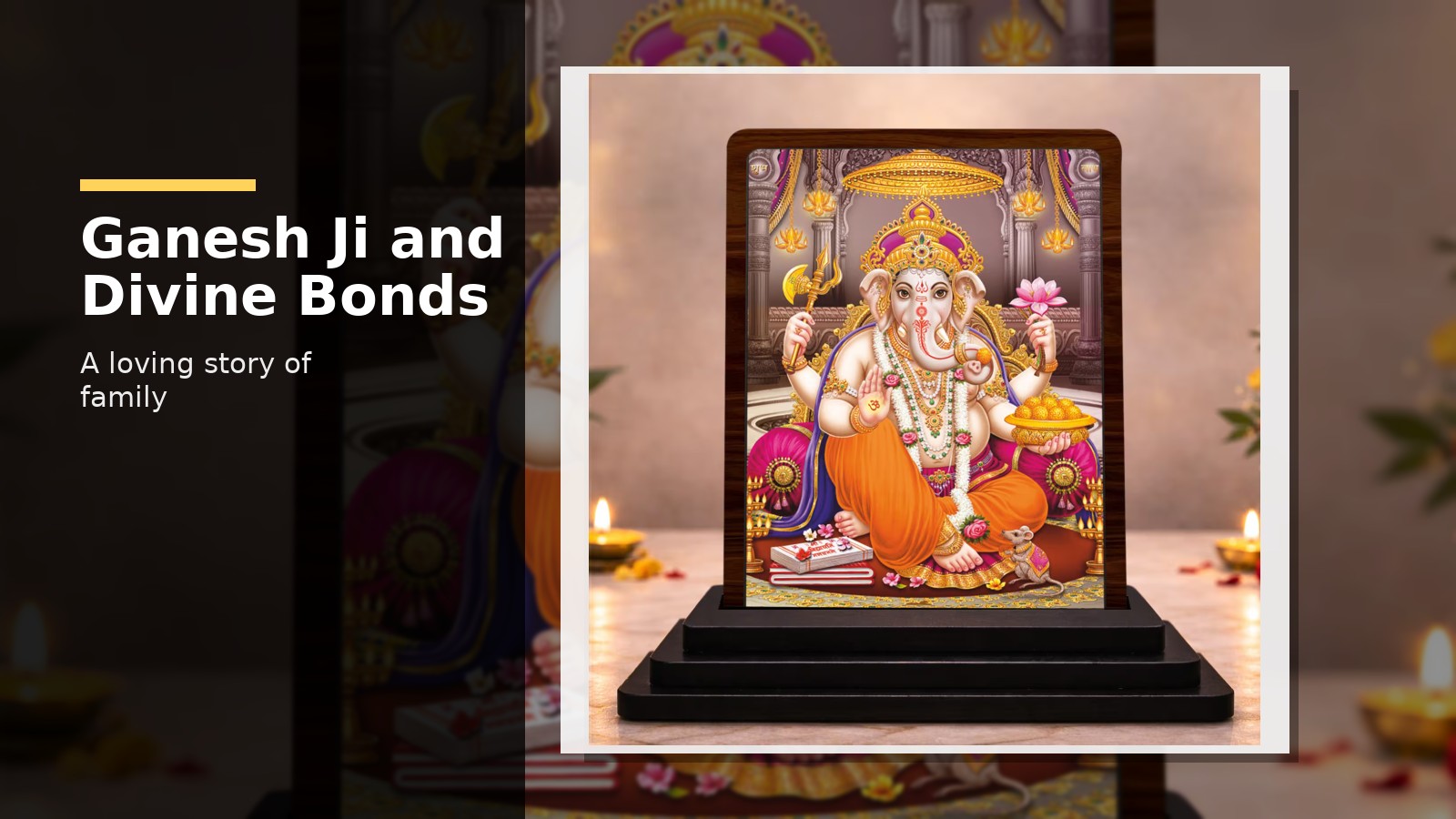
English Version
Ganesh Ji history is not only the story of a beloved deity with the elephant head. It is also a soft, moving story about family love, quiet misunderstandings, devotion, and the deep spiritual truth that a divine child can hold together the threads of an entire household. When elders tell Ganesh Ji’s stories, they often do it like a kahani told at dusk—warm, familiar, and full of affection.
In the family of Lord Shiva and Goddess Parvati, Ganesh Ji is remembered as the son whose presence brings auspiciousness, wisdom, and protection. But his history becomes especially beautiful when we look at his relationships—with his mother Parvati, his father Shiva, his brother Kartikeya, his vehicle Mushak, and even the devotees who welcome him first in every prayer.
Who is Ganesh Ji in devotional tradition?
Ganesh Ji, also called Lord Ganesha or Vinayaka, is one of the most widely worshipped deities in Hindu tradition. He is known as the remover of obstacles, the giver of wisdom, and the one who should be remembered before beginning any new work. For many families, his image at the doorway, on the pooja shelf, or near a study table is not just decorative—it feels like a blessing that quietly watches over the home.
In devotional life, Ganesh Ji is loved because he feels close to the heart. He is young, wise, playful, and protective all at once. That is why his history is often told not only through grand temples and festivals, but also through family stories that reveal his emotional world.
Ganesh Ji history through his mother Parvati
One of the most cherished parts of Ganesh Ji history is his bond with Goddess Parvati. In the popular tradition, Parvati created Ganesh Ji from the sandalwood paste of her body and gave him life. This story is often remembered as a symbol of motherly love, sacred creation, and the power of devotion within the home.
Parvati is not just his mother in the story; she is the first person who claimed him as her own. That is why devotees often see Ganesh Ji as deeply connected to maternal affection, protection, and purity. In many homes, mothers teach children to begin with Ganesh Ji’s name because he represents the same care a parent hopes to give a child—steadiness, safety, and a blessed start.
There is also a gentle emotional truth in this story: a child created by a mother’s own hands becomes a symbol of trust, duty, and belonging. That is part of why Ganesh Ji feels so close to everyday household devotion.
The story of Shiva and Ganesh Ji
Ganesh Ji’s relationship with Lord Shiva is one of the most discussed parts of his backstory. Shiva is the great ascetic, the yogi of the mountains, while Ganesh Ji is the child of the household—vibrant, innocent, and firm in his devotion to his mother.
The famous tradition says that when Shiva returned and did not recognize Ganesh Ji, a difficult turn of events followed, and later Shiva blessed him with his elephant head and immense honor. Devotees remember this not as a story of sorrow alone, but as a story that ends in divine recognition. Ganesh Ji is accepted into the highest place of worship and becomes the first deity invoked in auspicious beginnings.
Spiritually, this relationship teaches that love in a family can pass through misunderstanding and still emerge as blessing. The child who stood guard at the doorway becomes the one whose name opens every sacred door.
Ganesh Ji and Kartikeya: sibling feelings and family pride
Another tender thread in ganesh ji history is his relationship with his brother Kartikeya. In many traditional stories, the two brothers are shown in a divine competition of wisdom or a quest for the world’s true prize. Ganesh Ji’s answer is famously rooted in devotion to his parents, showing that spiritual intelligence is not only about speed or strength—it is about understanding what is most precious.
This sibling story is loved because it feels so human. Every family knows the sweetness of comparison, the quiet competition between siblings, and the deeper lesson that love is not a race. Ganesh Ji’s victory is remembered as the victory of insight, respect, and heartfelt devotion.
For devotees, this is one reason Ganesh Ji is seen as a teacher of balanced intelligence. He does not simply act; he understands. He does not simply win; he reveals meaning.
Why Ganesh Ji rides Mushak
Ganesh Ji’s vehicle, Mushak, is another beautiful part of his family-centered symbolism. A mighty deity seated on a tiny mouse is not just a striking image—it is a lesson in humility, control, and the mastery of desires.
Mushak often represents the restless mind, always moving here and there. Ganesh Ji, with calm grace, sits upon it and directs it. That is why devotees often feel comfort in his image: he teaches that even the most scattered energy can be guided toward devotion. In a home temple, this symbolism feels especially meaningful. It says that no matter how busy life becomes, wisdom can still sit quietly at the center.
Ganesh Ji’s companions, attendants, and divine circle
In many devotional depictions, Ganesh Ji is surrounded by loving attendants, musicians, or family-like divine presence. These details remind devotees that divinity is not cold or distant. It has companionship, celebration, and grace.
- Parvati represents nurturing love and sacred motherhood.
- Shiva represents divine authority, recognition, and transformation.
- Kartikeya represents sibling energy, valor, and complementary wisdom.
- Mushak represents discipline over the wandering mind.
Seen together, these relationships make Ganesh Ji history feel alive. He is not only a deity of rituals; he is a son, a brother, a guardian, and a beloved first guest in every prayer.
Ganesh Chaturthi and the joy of family devotion
Ganesh Chaturthi is the grand festival most closely associated with Ganesh Ji. During this time, families welcome his idol with devotion, flowers, sweets, songs, and a sense of homecoming. The festival feels especially touching because it mirrors a family reunion—bringing the beloved son back into the heart of the household.
For many devotees, Ganesh Chaturthi is not just a public celebration. It is a time to remember that divine presence can live in the simplest family spaces: the kitchen, the pooja room, the study table, or a small corner of quiet prayer. That is why compact devotional décor and idols often feel so meaningful—they allow faith to stay close, visible, and warm.
Famous temples and sacred places associated with Ganesh Ji
Ganesh Ji is worshipped across India, and several temples are especially beloved by devotees. Some famous names include the Siddhivinayak Temple in Mumbai, the Dagdusheth Halwai Ganpati in Pune, and the Morya Gosavi Ganpati tradition in Maharashtra. These sacred places are visited by people who come with hopes, worries, and prayers for a clean beginning.
Temple devotion also reminds us that Ganesh Ji is not only a family deity in story, but also a living presence in the daily faith of millions. People visit his shrines before exams, new businesses, travel, marriages, and important decisions because his blessings are associated with clarity and auspicious beginnings.
Symbolism hidden in Ganesh Ji history
When we look carefully at Ganesh Ji history, his form itself begins to speak:
- Elephant head: wisdom, memory, and strength
- Large ears: listening deeply to devotees
- Small eyes: focus and inner vision
- Broken tusk: sacrifice and purpose
- Large belly: acceptance of life in all its forms
Each symbol becomes more meaningful when placed beside his family stories. His form is not just artistic; it is devotional language. It tells us that a blessed life is not perfect in a worldly sense, but full of wisdom, acceptance, and love.
Why devotees feel emotionally close to Ganesh Ji
Many deities inspire reverence. Ganesh Ji also inspires tenderness. Perhaps that is because his stories carry the fragrance of home. He is the child who belongs to Parvati, the son recognized by Shiva, the brother who understands family bonds, and the first blessing at the beginning of every sacred act.
That emotional closeness is why his presence in a home temple or on a study desk often feels calming. A simple image of Ganesh Ji can remind the family to begin with patience, respect, and a steady mind.
For those who like to keep a small devotional corner in their home or office, a compact sacred image can help create that atmosphere of peace. One such thoughtful piece is the Lord Ganesha Wooden Idol 3×4 Inch HD Printed Table Decor for Home Temple Spiritual Art, which brings a gentle devotional touch to smaller spaces.
Quick points devotees often remember
- Ganesh Ji is worshipped first before new beginnings.
- His family stories show love, duty, and divine acceptance.
- Parvati’s bond with Ganesh Ji reflects motherly creation and care.
- Shiva’s blessing gives Ganesh Ji a central place in worship.
- Kartikeya’s story adds a sibling dimension to his divine life.
- Ganesh Chaturthi celebrates his presence in homes and communities.
FAQ: Ganesh Ji history and family stories
Why is Ganesh Ji worshipped first?
Ganesh Ji is worshipped first because tradition sees him as the remover of obstacles and the guardian of auspicious beginnings. His blessing is believed to clear the path before any prayer or work begins.
What is the most important family story in Ganesh Ji history?
The most loved family stories are his bond with Parvati, his recognition by Shiva, and his relationship with Kartikeya. Together, they reveal the emotional and spiritual heart of his history.
What does Ganesh Ji’s vehicle, Mushak, mean?
Mushak symbolizes the restless mind and desires. Ganesh Ji riding it teaches control, humility, and direction of inner energy toward wisdom.
Why is Ganesh Chaturthi so special?
Ganesh Chaturthi is special because it celebrates Ganesh Ji’s arrival into homes and communities with devotion, joy, and gratitude. It is a festival of welcoming blessings and new beginnings.
Which temples are strongly associated with Ganesh Ji?
Some widely known temples include Siddhivinayak in Mumbai and Dagdusheth Halwai Ganpati in Pune, along with many cherished local shrines across India.
Closing reflection
When people speak of ganesh ji history, they are really speaking of a divine life shaped by love, family, and sacred meaning. His story reminds us that the spiritual path does not begin far away in the mountains or in grand silence alone. Sometimes it begins at home—with a mother’s blessing, a father’s recognition, a sibling’s lesson, and a small prayer said with faith.
That is why Ganesh Ji remains so beloved. He is not only a deity to worship; he is a divine presence that helps families begin again with grace.
Hindi Version
Ganesh Ji history सिर्फ एक देवता की कथा नहीं है, यह परिवार, प्रेम, समझ, और भक्ति की बहुत ही कोमल कहानी भी है। जब बुजुर्ग Ganesh Ji की बातें सुनाते हैं, तो वह अक्सर किसी दादी या नानी की मीठी कहानी जैसी लगती हैं—धीमी, अपनापन भरी, और दिल को छू लेने वाली।
भगवान शिव और माता पार्वती के परिवार में Ganesh Ji को ऐसे पुत्र के रूप में याद किया जाता है जो शुभता, बुद्धि, और सुरक्षा का प्रतीक है। लेकिन उनकी कथा और भी सुंदर हो जाती है जब हम उनके रिश्तों को देखते हैं—माता पार्वती, पिता शिव, भाई कार्तिकेय, वाहन मूषक, और उन भक्तों के साथ जिनकी पूजा की शुरुआत वे करते हैं।
धार्मिक परंपरा में Ganesh Ji कौन हैं?
Ganesh Ji, जिन्हें गणेश, गणपति, या विनायक भी कहा जाता है, हिंदू परंपरा के सबसे प्रिय देवताओं में से एक हैं। उन्हें विघ्नहर्ता, बुद्धि के दाता, और हर शुभ कार्य से पहले स्मरण किए जाने वाले देवता के रूप में पूजा जाता है।
घर के दरवाज़े पर, पूजा-शेल्फ पर, या पढ़ाई की मेज़ के पास उनकी उपस्थिति केवल सजावट नहीं लगती—ऐसा लगता है जैसे कोई शांत आशीर्वाद घर पर पहरा दे रहा हो।
माता पार्वती के साथ Ganesh Ji history
Ganesh Ji history का सबसे प्यारा हिस्सा माता पार्वती के साथ उनका संबंध है। लोकप्रिय परंपरा में कहा जाता है कि पार्वती ने अपने शरीर के उबटन से Ganesh Ji की रचना की और उन्हें जीवन दिया। यह कथा मातृत्व, पवित्र सृजन, और घर के भीतर भक्ति की शक्ति का प्रतीक मानी जाती है।
पार्वती केवल उनकी माँ नहीं हैं; वे पहली व्यक्ति हैं जिन्होंने उन्हें अपना पुत्र माना। इसी कारण Ganesh Ji को मातृ स्नेह, सुरक्षा, और पवित्रता से गहरा संबंध माना जाता है।
शिव और Ganesh Ji का संबंध
भगवान शिव और Ganesh Ji का संबंध उनकी कथा का बहुत महत्वपूर्ण भाग है। शिव महान तपस्वी हैं, और Ganesh Ji घर-परिवार के बालक—सरल, दृढ़, और माता के प्रति समर्पित।
प्रसिद्ध परंपरा कहती है कि जब शिव लौटे और Ganesh Ji को पहचान नहीं पाए, तब एक कठिन घटना घटी, जिसके बाद शिव ने उन्हें हाथी का मुख और अद्भुत सम्मान दिया। भक्त इस कथा को केवल दुख की नहीं, बल्कि दिव्य पहचान और आशीर्वाद की कथा मानते हैं।
यह हमें सिखाता है कि परिवार में प्रेम कभी-कभी गलतफहमी से गुजरता है, लेकिन अंत में वही प्रेम आशीर्वाद बन जाता है।
Ganesh Ji और कार्तिकेय
Ganesh Ji और उनके भाई कार्तिकेय की कथा भी बहुत प्रिय है। कई परंपराओं में दोनों भाइयों की बुद्धि या श्रेष्ठता की परीक्षा का उल्लेख मिलता है, जहाँ Ganesh Ji का उत्तर अपने माता-पिता के प्रति भक्ति पर आधारित होता है।
यह कहानी बहुत मानवीय लगती है, क्योंकि हर परिवार में भाई-बहन के बीच तुलना, प्रतिस्पर्धा, और प्रेम के सुंदर रंग होते हैं। Ganesh Ji की विजय हमें सिखाती है कि सच्ची बुद्धि केवल तेज़ी में नहीं, बल्कि गहरे अर्थ को समझने में है।
मूषक पर सवार Ganesh Ji
Ganesh Ji का वाहन मूषक भी बहुत गहरा प्रतीक है। एक विशाल देवता का छोटे से चूहे पर बैठना हमें विनम्रता, नियंत्रण, और इच्छाओं पर विजय का संदेश देता है।
मूषक चंचल मन का प्रतीक माना जाता है। Ganesh Ji उस मन को शांत और सही दिशा देते हैं। इसलिए उनकी मूर्ति घर में बहुत सुकून देती है—वह बताती है कि जीवन कितना भी व्यस्त क्यों न हो, बुद्धि हमेशा केंद्र में रह सकती है।
Ganesh Chaturthi और पारिवारिक भक्ति
Ganesh Chaturthi Ganesh Ji का सबसे प्रसिद्ध पर्व है। इस दिन परिवार और समुदाय उन्हें फूल, मिठाई, भजन, और प्रेम के साथ घर लाते हैं। यह त्योहार किसी प्रिय सदस्य के घर लौटने जैसा महसूस होता है।
बहुत से भक्त मानते हैं कि Ganesh Ji केवल मंदिरों में नहीं, बल्कि घर के छोटे-छोटे कोनों में भी बसते हैं—पूजा स्थान, रसोई, या अध्ययन कक्ष में।
प्रसिद्ध मंदिर और पूजा स्थल
Ganesh Ji की पूजा पूरे भारत में होती है। मुंबई का सिद्धिविनायक मंदिर, पुणे का दगडूशेठ हलवाई गणपति, और महाराष्ट्र की कई परंपराएँ भक्तों के लिए अत्यंत पूजनीय हैं।
लोग परीक्षा, नया काम, यात्रा, विवाह, या किसी महत्वपूर्ण निर्णय से पहले Ganesh Ji का स्मरण करते हैं, क्योंकि वे शुभ आरंभ और स्पष्टता के देवता माने जाते हैं।
Ganesh Ji की आकृति में छिपे प्रतीक
- हाथी का मुख: बुद्धि, स्मरण शक्ति, और शक्ति
- बड़े कान: भक्तों की बात ध्यान से सुनना
- छोटी आँखें: एकाग्रता और अंतर्दृष्टि
- टूटा हुआ दाँत: त्याग और उद्देश्य
- बड़ा उदर: जीवन को स्वीकार करने की क्षमता
इन प्रतीकों को जब उनके पारिवारिक प्रसंगों के साथ देखा जाता है, तो उनकी छवि और भी दिव्य लगती है।
भक्त Ganesh Ji से इतना जुड़ाव क्यों महसूस करते हैं?
शायद इसलिए कि उनकी कथाएँ घर की खुशबू लेकर आती हैं। वे पार्वती के पुत्र हैं, शिव के द्वारा स्वीकार किए गए हैं, कार्तिकेय के भाई हैं, और हर शुभ कार्य में सबसे पहले याद किए जाते हैं।
इसी अपनत्व के कारण घर में उनकी छोटी सी छवि भी बहुत शांति देती है। अगर आप अपने पूजा कोने या कार्यस्थल पर एक शांत devotional touch चाहते हैं, तो Lord Ganesha Wooden Idol 3×4 Inch HD Printed Table Decor for Home Temple Spiritual Art एक सुंदर, compact विकल्प हो सकता है।
अक्सर पूछे जाने वाले प्रश्न
Ganesh Ji की पूजा सबसे पहले क्यों होती है?
Ganesh Ji को विघ्नहर्ता और शुभ आरंभ के देवता माना जाता है, इसलिए किसी भी पूजा या नए कार्य की शुरुआत उनसे की जाती है।
Ganesh Ji history में सबसे महत्वपूर्ण पारिवारिक कथा कौन सी है?
माता पार्वती के साथ उनका संबंध, भगवान शिव द्वारा उनका स्वीकार किया जाना, और कार्तिकेय के साथ उनका भाईचारा—ये तीनों कथाएँ सबसे महत्वपूर्ण मानी जाती हैं।
मूषक का क्या अर्थ है?
मूषक चंचल मन और इच्छाओं का प्रतीक है। Ganesh Ji उस पर सवार होकर हमें संयम और दिशा का संदेश देते हैं।
Ganesh Chaturthi क्यों विशेष है?
यह पर्व Ganesh Ji के स्वागत, भक्ति, और नए आरंभ के आनंद का उत्सव है।
Ganesh Ji के प्रसिद्ध मंदिर कौन से हैं?
सिद्धिविनायक, दगडूशेठ हलवाई गणपति, और भारत के कई स्थानीय गणपति मंदिर अत्यंत प्रसिद्ध हैं।
समापन
Ganesh Ji history हमें यह सिखाती है कि दिव्यता केवल दूर के आकाश में नहीं, बल्कि परिवार के प्रेम में भी बसती है। माँ का आशीर्वाद, पिता की पहचान, भाई का पाठ, और भक्त की प्रार्थना—इन सब से मिलकर Ganesh Ji की कथा पूर्ण होती है।
यही कारण है कि Ganesh Ji आज भी इतने प्रिय हैं। वे केवल पूजे जाने वाले देवता नहीं, बल्कि हर नए आरंभ में साथ चलने वाली एक कोमल दिव्य उपस्थिति हैं।