
Famous Ram Temple Traditions: Ram Ji Ke Prasiddh Dham Aur Lok Aastha
May 23, 2026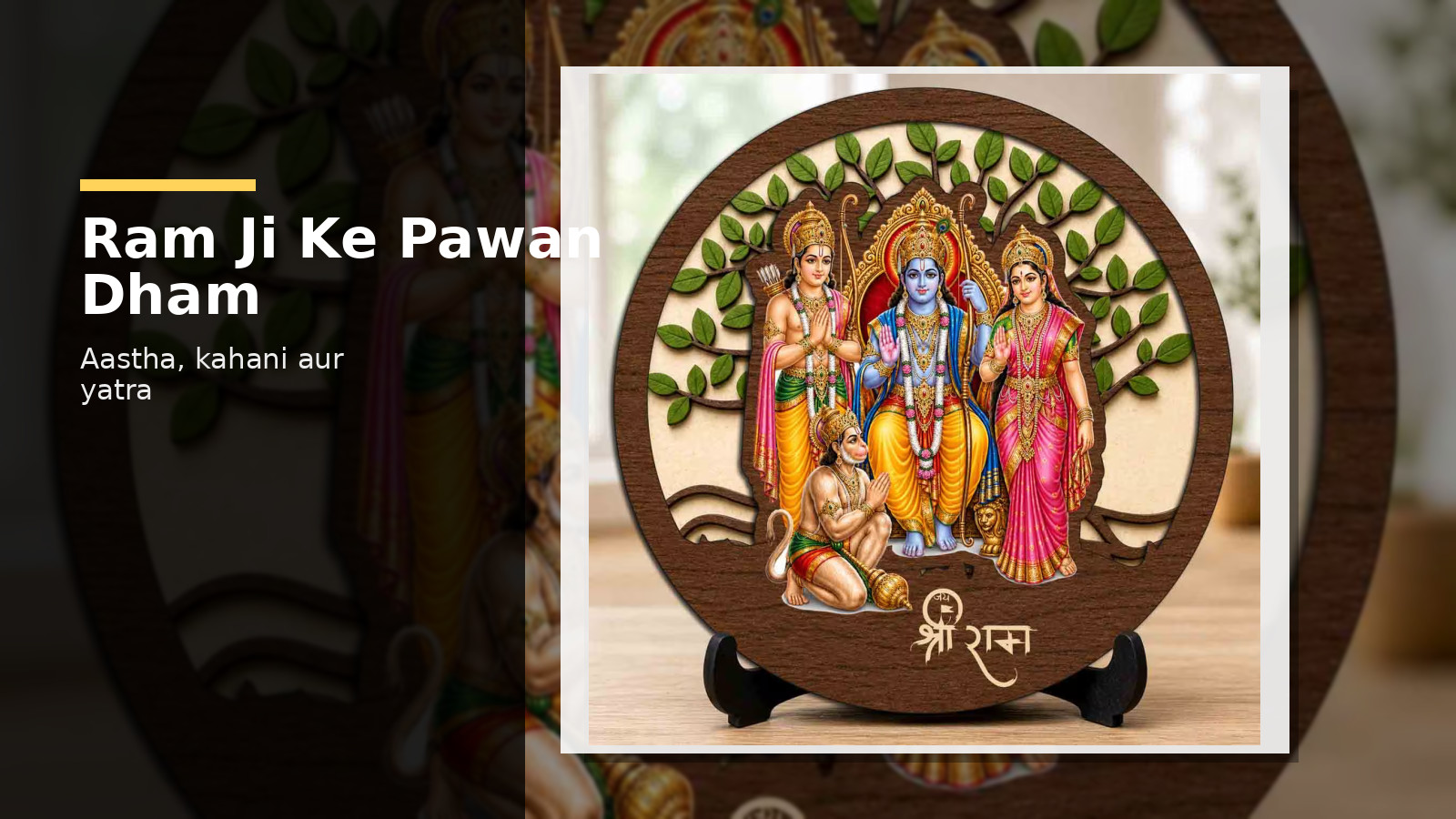
English Version
When people speak of a famous ram temple, the heart often turns first to Ayodhya. There is something about Ram Ji’s name that feels familiar, like a lamp lit quietly in a family courtyard. His temples are not only places of worship; they are living memories of maryada, dharma, patience, and love. For many devotees, visiting a Ram temple is less like reaching a destination and more like returning home.
Ram Ji’s devotion has flowed through India for centuries in the form of mandirs, dham, katha, bhajan, and pilgrimage traditions. Some places are known for grand architecture, some for ancient association, and some for the simple but deep faith of the people who gather there every morning. Together, they create a spiritual map that stretches across the country.
Who is Ram Ji?
Ram Ji, also called Maryada Purushottam, is remembered as the ideal son, ideal king, ideal husband, and an embodiment of righteous living. In the Ramayana tradition, his life becomes a guide for how to walk through duty, sorrow, justice, and compassion without losing inner balance.
That is why Ram temples carry a special emotional weight. Devotees do not come only to ask for blessings; they come to remember a way of life. In many homes and villages, Ram’s name is spoken with the same ease and affection with which elders speak of a beloved family member.
Ayodhya: The Anchor of Ram Bhakti
If one temple stands at the center of Ram Ji’s pilgrimage world, it is Ayodhya. The sacred city is revered as Ram Janmabhoomi, the birthplace associated with Lord Ram. For countless devotees, Ayodhya is not just a place on the map. It is a feeling, a symbol, and a sacred return to roots.
The devotion around Ayodhya has been shaped by stories, prayer, festivals, and centuries of living faith. Pilgrims arrive with folded hands, often carrying flowers, incense, and tears of gratitude. The experience is deeply personal. Some visit with a wish, some with remembrance, and some simply to stand in silence and feel close to Ram Ji.
Why the Famous Ram Temple Holds Such Deep Meaning
A famous ram temple is powerful because it reflects more than stone, wood, or design. It reflects a collective longing for virtue. Ram Ji’s image in a temple reminds devotees of restraint, courage, devotion to parents, and truthfulness in difficult times.
- Maryada: Living with dignity and discipline
- Seva: Serving family and society with humility
- Satya: Staying with truth even when it is costly
- Karuna: Showing compassion to the weak and the suffering
That is why Ram temples are often filled with quiet strength. Even when the aarti is grand, the emotion remains gentle and rooted.
Other Famous Places of Ram Worship
Along with Ayodhya, many places across India are cherished by devotees of Ram Ji. Some are linked to the Ramayana journey, while others have grown as centers of local faith and community worship.
- Chitrakoot: Remembered as a deeply sacred place connected with Ram, Sita, and Lakshman during exile.
- Rameswaram: Revered for its connection with Ramayana tradition and coastal pilgrimage culture.
- Nashik: Associated with the Panchavati region and Ramayana memories.
- Hampi: Linked with Kishkindha and the broader Ramayana landscape.
- Many local Ram mandirs: Found in towns and villages where daily worship keeps the tradition alive.
Each of these sacred places carries its own mood. Some are touched by riverbanks, some by hills, and some by the sound of morning bells in small neighborhood temples.
Pilgrimage Traditions Around Ram Ji
Ram Ji’s pilgrimage culture is often woven into family life. Grandparents tell children where Ram walked, where he rested, and where devotees still sing his name. This oral memory is as important as any grand shrine.
Many devotees travel during festivals, school holidays, or family milestones. Some go on a long yatra to multiple Ram-associated sites. Others make a simple visit to the nearest Ram mandir, light a diya, and return with a lighter heart.
- Morning darshan and aarti
- Recitation of Ramayana or Ramcharitmanas
- Bhajan evenings and kirtan gatherings
- Festival processions and community prasad
These traditions keep Ram bhakti alive not as a memory of the past, but as a living daily practice.
Festival Significance: Ram Navami and Beyond
Ram Navami is the most widely celebrated festival associated with Ram Ji. It marks his birth and fills temples with chanting, decoration, and special prayers. In many places, the atmosphere feels like a family celebration rather than a formal ritual. Devotees sing, fast, read sacred texts, and share prasad with neighbors.
Another deeply loved moment is Diwali, when Ram’s return to Ayodhya after exile is remembered. The lighting of lamps becomes a symbolic welcome of dharma, hope, and victory over darkness.
In both festivals, the temple is not just a building. It becomes a living story.
Symbols Devotees Associate With Ram Ji
Ram Ji is often remembered through symbols that carry emotional and spiritual meaning. These symbols appear in temples, paintings, home altars, and festival decorations.
- Bow and arrow: Strength guided by purpose
- Lotus: Purity amid the world
- Forest life: Acceptance, renunciation, and patience
- Ram Darbar: Family harmony, devotion, and ideal household values
Among these, Ram Darbar holds a special place in many homes because it represents the sacred balance of Ram, Sita, Lakshman, and Hanuman together—devotion, loyalty, and family dharma in one frame.
The Emotional Power of Temple Visits
People often say that standing before Ram Ji in a temple brings peace. Perhaps that is because his story speaks to the human heart in every stage of life. A child hears courage, a parent hears responsibility, an elder hears acceptance, and a seeker hears dharma.
That is the quiet beauty of a famous ram temple. It does not only preserve tradition; it helps devotees make sense of their own lives. A prayer offered there can feel like a conversation with strength itself.
Ram Ji in Daily Devotion
For many families, devotion to Ram Ji is not limited to pilgrimage. It lives in the home temple, in the first prayer of the day, in the name remembered during hardship, and in the calm that follows a simple aarti.
Some keep a small Ram Darbar image in their puja room or on a shelf as a reminder of balance and blessing. If you are looking for a peaceful devotional piece for an indoor sacred corner, you may want to explore the related product on our store. It fits naturally into a home temple or prayer space where Ram bhakti is part of everyday life.
Why Ram Temples Still Matter Today
In a fast-moving world, Ram temples remind people to slow down and remember values that do not change easily. They give space to silence, gratitude, family memory, and faith. Whether someone visits a grand dham or a small neighborhood mandir, the feeling is similar: a return to center.
And perhaps that is why the phrase famous ram temple continues to move so many hearts. It is not only about a place. It is about the kind of life one wishes to live after leaving that place.
Frequently Asked Questions
Why is Ayodhya considered the most famous Ram temple destination?
Ayodhya is revered as Ram Janmabhoomi, the birthplace associated with Lord Ram, which makes it the most emotionally significant pilgrimage site for many devotees.
Which festivals are most closely associated with Ram Ji temples?
Ram Navami and Diwali are the most important. Ram Navami celebrates his birth, while Diwali remembers his return to Ayodhya.
What is the meaning of Ram Darbar in devotion?
Ram Darbar represents the divine family of Ram, Sita, Lakshman, and Hanuman, symbolizing harmony, loyalty, and ideal family values.
Are there famous Ram-related pilgrimage places besides Ayodhya?
Yes. Chitrakoot, Rameswaram, Nashik, Hampi, and many local Ram mandirs hold special importance in Ram devotion.
Why do devotees feel peace in Ram temples?
Because Ram Ji’s life is associated with truth, patience, discipline, and compassion, the temple atmosphere often feels emotionally grounding and comforting.
Hindi Version
Jab bhi koi famous ram temple ki baat karta hai, man aksar seedha Ayodhya ki or chala jata hai. Ram Ji ka naam hi aisa hai jo ghar ke aangan mein jalti ek dheemi si diya-ki-roshni ki tarah apnaapan bhar deta hai. Unke mandir sirf pooja ke sthal nahi hote; ve maryada, dharma, dhairya aur prem ki jeeti-jaagti yaadein hote hain. Bahut se bhakton ke liye Ram mandir jana manzil tak pahunchna nahi, balki apne ghar laut aane jaisa hota hai.
Ram Ji ki bhakti Bharat mein sadiyon se mandiron, dhamon, kathaaon, bhajanon aur yatra paramparaon ke roop mein behti aayi hai. Kahin bhavya shilp hai, kahin prachin sambandh, aur kahin logon ki seedhi-saadhi par gehri aastha. Milkar yeh ek aisa pavitra naksha banate hain jo desh bhar mein faila hua hai.
Ram Ji Kaun Hain?
Ram Ji, jise Maryada Purushottam bhi kaha jata hai, aise charitra ke roop mein yaad kiye jate hain jo ideal putra, ideal raja, ideal pati aur dharmik jeevan ke murt roop the. Ramayana parampara mein unka jeevan humein sikhata hai ki kartavya, dukh, nyay aur karuna ke beech kaise apna santulan banaye rakha jaye.
Isi wajah se Ram mandiron ka bhavnatmak mahatva bahut gehra hota hai. Bhakt wahan sirf vardaan maangne nahi aate; ve ek jeene ki vidhi ko yaad karne aate hain. Gharon aur gaanvon mein Ram ka naam kai baar utni hi apnapan se liya jata hai jitni apnapan se koi dadi-nani apne pyare parivarjan ka naam leti hain.
Ayodhya: Ram Bhakti Ka Kendra
Yadi Ram Ji ke pilgrimage world ka koi ek kendra mana jaye, to woh Ayodhya hai. Yeh pavitra nagar Ram Janmabhoomi ke roop mein poojya hai. Karodon bhakton ke liye Ayodhya sirf nakshon par bani ek jagah nahi. Yeh ek bhavna hai, ek prateek hai, aur apni jadon ki taraf lautne ka pavitra sanket hai.
Ayodhya se judi aastha kathaaon, prarthnaon, tyoharon aur sadiyon ki jeevit bhakti se bani hai. Yaatri haath jodkar aate hain, aksar phool, agarbatti aur gratitude ke aansu lekar. Yeh anubhav bahut vyaktigat hota hai. Koi mannat lekar aata hai, koi smriti ke saath, aur koi bas maun khade hokar Ram Ji ke kareeb mehsoos karna chahta hai.
Famous Ram Temple Itna Gehra Kyon Lagta Hai?
Ek famous ram temple isliye prabhavshali hota hai kyunki woh sirf patthar ya lakdi ya design ka prateek nahi hota. Woh samuhik aakanksha ka prateek hota hai—sahi jeevan jeene ki chah. Ram Ji ki murti bhakton ko discipline, sahas, mata-pita ke prati nishtha aur kathin paristhitiyon mein bhi sach bolne ki yaad dilati hai.
- Maryada: Garima aur anushasan ke saath jeena
- Seva: Namrata ke saath parivar aur samaj ki seva
- Satya: Mushkil samay mein bhi sach ka saath
- Karuna: Kamzor aur dukhi ke prati daya
Isi wajah se Ram mandir ka vatavaran aksar shaant aur shaktishali hota hai. Aarti bhale hi bhavya ho, bhavna phir bhi komal aur gehri bani rehti hai.
Ram Ji Se Jude Anya Prasiddh Tirth Sthal
Ayodhya ke saath Bharat ke kai anya sthal bhi Ram bhakton ke liye bahut priya hain. Kuch Ramayana yatra se jude hain, aur kuch sthaniya aastha aur samudayik pooja ke kendr ban gaye hain.
- Chitrakoot: Vanvaas ke dauran Ram, Sita aur Lakshman se juda atyant pavitra sthal.
- Rameswaram: Ramayana parampara aur samudri tirth parampara se juda pramukh sthal.
- Nashik: Panchavati kshetra aur Ram katha ki yaadon se juda hua.
- Hampi: Kishkindha aur Ramayana ke vistrit bhaugolik sandarbh se sambandhit.
- Sthaniya Ram mandir: Chhote-bade shehron aur gaanvon mein rozana bhakti ko jeevit rakhte hain.
Har pavitra sthal ka apna swabhav hota hai. Kahin nadi kinara, kahin pahadiyan, kahin subah ki ghanti aur chhote mandir ka shant sa mahal.
Ram Ji Ki Pilgrimage Parampara
Ram Ji ki yatra parampara parivarik jeevan mein rachi-basi hoti hai. Dada-dadi aur nana-nani bachchon ko batate hain ki Ram kahan chale, kahan ruke, aur kahan aaj bhi bhakt unka naam lete hain. Yeh maukhik smriti kisi bhi bhavya mandir jitni hi mahatvapurn hai.
Bahut se bhakt tyoharon, chhuttiyon ya parivarik avsaron par yatra karte hain. Koi kai Ram-sambandhit sthalon ki lambi yatra karta hai, aur koi bas paas ke Ram mandir mein jaakar diya jalata hai aur halka mann lekar laut aata hai.
- Subah darshan aur aarti
- Ramayana ya Ramcharitmanas paath
- Bhajan sandhya aur kirtan
- Tyohari yatra aur prasad vitran
Yeh paramparaen Ram bhakti ko sirf ateet ki yaad nahi, balki aaj ki jeevit prarthana banaye rakhti hain.
Ram Navami Aur Tyoharon Ka Mahatva
Ram Navami Ram Ji ka sabse prasiddh utsav hai. Is din mandiron mein paath, sajaavat aur vishesh pooja ka mahaul hota hai. Kai sthalon par yeh maahol kisi formal anushthan se zyada parivarik utsav jaisa lagta hai. Bhakt gaate hain, vrat rakhte hain, pavitra granthon ka paath karte hain aur prasad padosiyon ke saath baantte hain.
Diwali bhi Ram Ji se gehri tarah judi hai, jab vanvaas ke baad Ayodhya lautne ki yaad taja hoti hai. Deepak jalana andhkar par dharma, aasha aur vijay ka prateek ban jata hai.
In dono tyoharon mein mandir sirf ek imarat nahi rehta. Woh jeeti-jaagti kahani ban jata hai.
Ram Ji Se Jude Prateek
Ram Ji ko kai aise prateekon ke saath yaad kiya jata hai jo bhavnatmak aur adhyatmik arth rakhte hain. Yeh prateek mandiron, chitrakala, ghar ke pooja-sthal aur utsav sajavat mein dikhte hain.
- Dhanush aur baan: Uddeshya se sanchalit shakti
- Kamal: Sansar ke beech bhi shuddhata
- Van jeevan: Svikar, tyag aur dhairya
- Ram Darbar: Parivarik saamanjasya, nishtha aur adarsh grihasth jeevan
In sab mein Ram Darbar ka sthan bahut vishesh hai, kyonki yeh Ram, Sita, Lakshman aur Hanuman ko ek saath darshata hai—bhakti, wafa aur parivarik dharma ka sundar sangam.
Mandir Darshan Ka Bhavnatmak Asar
Log aksar kehte hain ki Ram Ji ke samne khade hote hi man shaant ho jata hai. Shayad isliye ki unki kahani jeevan ke har charan se baat karti hai. Baccha sahas sunta hai, maa-baap zimmedari, buzurg swikriti, aur sadhak dharma.
Yahi ek famous ram temple ki shaant sundarta hai. Woh sirf parampara ko sambhalta nahi; balki bhakt ko apne jeevan ko samajhne mein madad bhi karta hai. Wahan ki gayi prarthana kabhi-kabhi swayan shakti se baat karne jaisi mehsoos hoti hai.
Rozmarra Ki Bhakti Mein Ram Ji
Bahut se parivaron ke liye Ram Ji ki bhakti yatra tak simit nahi hoti. Woh ghar ke mandir mein, din ki pehli prarthana mein, mushkil samay mein yaad kiye gaye naam mein, aur ek saadha aarti ke baad milne wali shanti mein jeevit rehti hai.
Kuch log apne puja room ya shelf par Ram Darbar ka chhota sa chitra rakhte hain, taaki unhe santulan aur aashirvad ki yaad rahe. Agar aap apne ghar ke pavitra kone ke liye ek shaant aur devotional piece dekh rahe hain, to related product on our store ko dekh sakte hain. Yeh home temple ya prayer space mein bahut swabhavik tarike se fit hota hai.
Aaj Bhi Ram Mandir Kyon Zaroori Hain?
Tez raftaar duniya mein Ram mandir logon ko rukne aur un moolyon ko yaad karne ka avsar dete hain jo aasani se nahi badalte. Yeh shaanti, gratitude, parivarik smriti aur aastha ke liye jagah banate hain. Chahe koi bhavya dham jaye ya chhota sa neighborhood mandir, anubhav ek jaisa hota hai: apne kendr ki taraf lautna.
Aur shayad isi wajah se famous ram temple ka vichar aaj bhi itne dilon ko chhoota hai. Yeh sirf ek jagah ke baare mein nahi hai. Yeh is baat ke baare mein hai ki wahan se lautkar kaise jeevan jeena chahiye.
Frequently Asked Questions
Ayodhya ko sabse famous Ram temple destination kyon maana jata hai?
Ayodhya ko Ram Janmabhoomi ke roop mein pooja jata hai, isliye yeh bahut se bhakton ke liye sabse mahatvapurn tirth sthal hai.
Ram Ji ke mandiron se kaun se tyohar sabse zyada jude hain?
Ram Navami aur Diwali sabse mahatvapurn hain. Ram Navami janmotsav hai, aur Diwali Ayodhya lautne ki yaad.
Ram Darbar ka bhakti mein kya arth hai?
Ram Darbar Ram, Sita, Lakshman aur Hanuman ke divya parivar ka prateek hai, jo saamanjasya, nishtha aur adarsh parivarik mulyon ko dikhata hai.
Kya Ayodhya ke alawa bhi Ram se jude prasiddh tirth hain?
Haan. Chitrakoot, Rameswaram, Nashik, Hampi aur kai sthaniya Ram mandir bahut mahatvapurn hain.
Bhakton ko Ram mandir mein shaanti kyon mehsoos hoti hai?
Kyunki Ram Ji ka jeevan satya, dhairya, anushasan aur karuna se juda hai, isliye mandir ka vatavaran man ko sambhalne wala lagta hai.