
Evil Eye Face Wooden History Explained: Temples, Meaning & Symbolism
April 2, 2026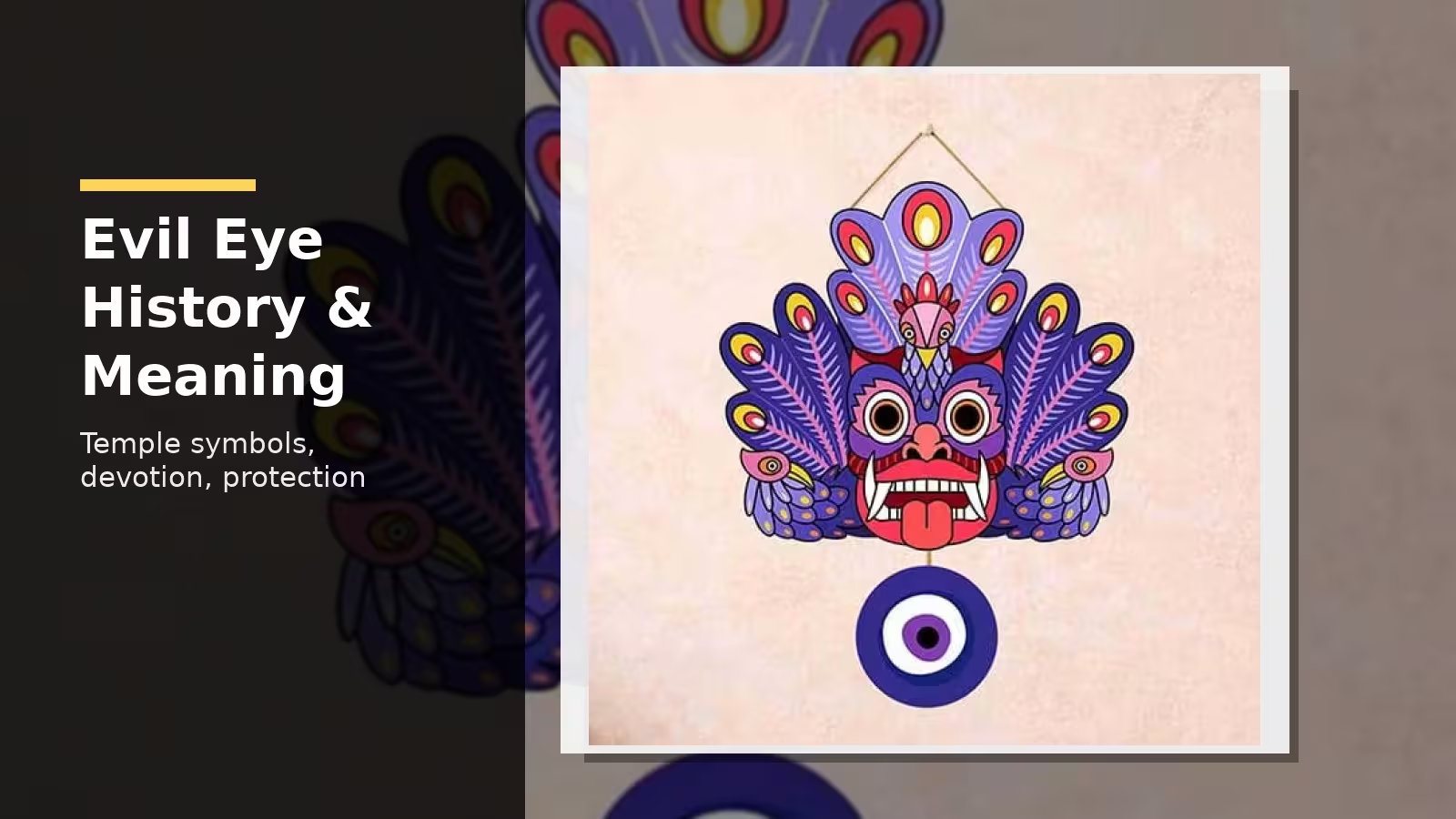
English Version
The evil eye face wooden history is deeply tied to the human desire for protection, blessing, and spiritual balance. Across many cultures, the “evil eye” has been understood as a gaze that can bring envy, negativity, or disturbance. In devotional traditions, people responded to that fear with symbols of watchfulness, sacred protection, and divine presence. A wooden face motif inspired by the evil eye carries this feeling of guarding the home while also expressing art, faith, and cultural memory.
What the Evil Eye Represents
The evil eye is not a single modern design trend. It is an ancient protective idea seen in different regions of the world, including the Mediterranean, West Asia, South Asia, and parts of Europe. The belief is simple: an envious or harmful glance can affect a person, family, or home. To counter that fear, people used amulets, painted eyes, masks, and symbolic forms that were believed to absorb or deflect negativity.
In Indian devotional life, this connects naturally with the broader idea of nazar protection, where homes, children, and sacred spaces are safeguarded through symbols, prayers, and rituals. The wooden face form gives this belief a visible shape that feels both artistic and spiritually alert.
Evil Eye Face Wooden History in Cultural Context
The phrase evil eye face wooden history brings together two powerful ideas: the eye as a protector and wood as a sacred, earthy material. Wood has long been used in homes, shrines, doors, panels, and ceremonial objects because it feels warm, natural, and grounded. When artisans carve or print an evil-eye-inspired face on wood, the result becomes more than decoration. It becomes a symbolic guardian.
Historically, face motifs were often used in temples, village art, and traditional home architecture to represent watchfulness, threshold protection, and the presence of unseen forces. A face at the entrance or on a wall could suggest that the space is being observed and safeguarded. This is why such motifs often feel emotionally powerful even today.
Temple Symbolism and Sacred Spaces
Temples have always been places where symbolism matters. From carved doors to painted ceilings, every detail can carry spiritual meaning. In many temple traditions, eyes are associated with divine awareness. The deity sees beyond human limitations, and that all-seeing presence offers reassurance to devotees.
Although the evil eye motif itself is not the same as a specific deity symbol, it resonates with temple ideas of vigilance, blessing, and warding off harm. In this sense, the wooden face design can remind devotees of sacred guardians at entrances, protective imagery in temple architecture, and the constant prayer that negativity should stay away from the home.
Who is the Deity or Divine Presence Behind the Symbol?
When people search for the meaning of the evil eye face, they are often not asking about one fixed deity. Instead, they are seeking the spiritual logic behind protection. In devotional life, that protection may be associated with divine grace, guardian energies, or the blessings of a chosen deity. The symbol does not replace worship; rather, it complements the feeling of being watched over.
For many families, this kind of motif becomes a reminder to begin the day with prayer, keep the home spiritually clean, and invite positive energy into daily life. It is less about fear and more about trust in divine protection.
Symbolism of the Eye, Face, and Wood
- The eye symbolises awareness, protection, and alertness.
- The face suggests presence, guardianship, and personality.
- Wood represents nature, stability, warmth, and tradition.
Together, these elements create a design that feels protective and rooted. The face becomes a visual shield, while the wooden material adds an earthy devotional quality. This is one reason such designs continue to appeal in homes that value both spirituality and aesthetics.
Famous Temples and Protective Traditions
Across India and beyond, many sacred places are known for their protective atmosphere. People visit temples not only for prayer but also for reassurance, healing, and blessings. While the evil eye motif is not limited to any one temple, its meaning aligns with the devotional feeling one experiences in protected sanctuaries and sacred gateways.
Some devotees connect such symbols with the idea of temple entrances, where the transition from the outer world to sacred space is marked with care. The message is clear: negativity remains outside, and peace enters within.
Festival Significance and Home Blessing
Protective symbols often become especially meaningful during festivals, housewarming ceremonies, and seasonal prayers. During these moments, families clean their homes, decorate entrances, and invite auspiciousness. A motif inspired by the evil eye can fit into this atmosphere because it speaks of welcome, protection, and spiritual freshness.
It may be used during:
- Housewarming rituals
- Festival decoration
- Entrance styling for blessings
- Prayer corner or puja-adjacent decor
The emotional value lies in the intention: to make the home feel safe, sacred, and full of positive energy.
Why the Evil Eye Motif Still Feels Relevant Today
Modern homes may be simple, urban, or minimalist, but the need for meaning has not changed. People still want objects that tell a story. A wooden evil-eye face design does this beautifully because it blends old belief with contemporary style. It can feel devotional without being heavy, artistic without losing symbolism, and traditional without appearing outdated.
That balance is why the motif continues to appear in wall art, entryway decor, office corners, and gifting items. It offers a gentle reminder that a home is not only a physical space but also an emotional and spiritual one.
Common Questions Devotees Ask
Is the evil eye a religious symbol?
It is more accurately described as a protective cultural symbol. In devotional settings, it is often understood alongside prayer, blessings, and spiritual safeguarding.
Can it be placed near a temple area at home?
Many people place such motifs in entryways, living rooms, or near prayer-related spaces because the design expresses protection and positive intention.
Why is wood used for this design?
Wood adds warmth, durability, and a natural feel. It also connects the symbol to traditional craftsmanship and earthy home aesthetics.
Does it have the same meaning in every culture?
No. The core idea of protection is shared widely, but the exact interpretation varies across regions and traditions.
Conclusion
The evil eye face wooden history is a story of protection, devotion, and symbolic art. From ancient beliefs about the gaze to temple-inspired ideas of guardianship, this motif carries a quiet spiritual power. It reminds us that homes can be made sacred through intention, beauty, and faith.
If you are drawn to this kind of meaningful wall decor, you may also want to Explore the related product on our store.
Hindi Version
evil eye face wooden history का संबंध सुरक्षा, आशीर्वाद और आध्यात्मिक संतुलन की मानवीय भावना से है। कई संस्कृतियों में “evil eye” को ऐसी नज़र माना गया है जो ईर्ष्या, नकारात्मकता या अशांति ला सकती है। इसी डर का उत्तर लोगों ने रक्षात्मक प्रतीकों, पवित्र चिह्नों और सजग दृष्टि वाले रूपों के रूप में दिया। लकड़ी पर बना face motif इसी भावना को कला और आस्था के साथ जोड़ता है।
ईविल आई क्या दर्शाता है?
ईविल आई कोई आधुनिक ट्रेंड नहीं है। यह एक प्राचीन protective idea है, जो Mediterranean, West Asia, South Asia और यूरोप के कई हिस्सों में दिखाई देता है। मान्यता यह रही है कि किसी की ईर्ष्यापूर्ण या हानिकारक नज़र व्यक्ति, परिवार या घर को प्रभावित कर सकती है। इस नकारात्मक प्रभाव से बचने के लिए लोग amulets, painted eyes, masks और symbolic forms का उपयोग करते रहे हैं।
भारतीय devotional life में यह nazar protection की भावना से जुड़ता है, जहाँ घर, बच्चे और पवित्र स्थान प्रतीकों और प्रार्थनाओं से सुरक्षित रखे जाते हैं। लकड़ी का face motif इस belief को एक दृश्य रूप देता है।
Evil Eye Face Wooden History का सांस्कृतिक अर्थ
evil eye face wooden history में दो शक्तिशाली विचार मिलते हैं: eye as protector और wood as sacred material. लकड़ी का उपयोग घरों, shrines, doors, panels और ceremonial objects में लंबे समय से होता आया है क्योंकि यह प्राकृतिक, गर्म और स्थिर महसूस होती है। जब किसी artisan द्वारा लकड़ी पर evil-eye inspired face बनाया जाता है, तो वह सिर्फ decoration नहीं रहता; वह एक symbolic guardian बन जाता है।
पुराने समय में face motifs का उपयोग temple art, village art और traditional home architecture में threshold protection और watchfulness के लिए भी किया जाता था। दरवाज़े या दीवार पर बना चेहरा यह संकेत देता है कि स्थान सुरक्षित है।
मंदिरों में प्रतीकात्मक अर्थ
मंदिरों में symbolism बहुत महत्वपूर्ण होता है। carved doors, painted ceilings और entrance details सब कुछ spiritual meaning रख सकते हैं। आंखें divine awareness का प्रतीक मानी जाती हैं—देवता मनुष्य की सीमाओं से परे देखते हैं और भक्तों को reassurance देते हैं।
हालाँकि evil eye motif किसी एक deity का सीधा प्रतीक नहीं है, फिर भी यह temple ideas of vigilance, blessing और harm को दूर रखने की भावना से मेल खाता है।
देवत्व और संरक्षण की भावना
जब लोग evil eye face का अर्थ खोजते हैं, तो वे किसी एक निश्चित deity के बारे में नहीं, बल्कि सुरक्षा की spiritual logic के बारे में जानना चाहते हैं। devotional life में यह protection divine grace, guardian energies या chosen deity के blessings से जुड़ सकती है। यह symbol worship का स्थान नहीं लेता, बल्कि protection की भावना को और मजबूत करता है।
Eye, Face और Wood का Symbolism
- Eye = awareness, protection, alertness
- Face = presence, guardianship, personality
- Wood = nature, stability, warmth, tradition
ये तीनों मिलकर एक ऐसा design बनाते हैं जो protective भी है और rooted भी।
Famous Temples और Protective Traditions
भारत और दुनिया के कई sacred places protective atmosphere के लिए जाने जाते हैं। लोग मंदिरों में केवल prayer के लिए नहीं, बल्कि reassurance और blessings के लिए भी जाते हैं। evil eye motif किसी एक मंदिर तक सीमित नहीं है, लेकिन इसका अर्थ sacred gateways और guarded sanctuaries की भावना से जुड़ता है।
Festival Significance
ऐसे protective symbols घर की सजावट, housewarming और festival rituals में खास महत्व रखते हैं। घर की सफाई, entrance decoration और auspiciousness को आमंत्रित करने के समय यह motif meaningful लगता है।
- Housewarming rituals
- Festival decoration
- Prayer corner styling
- Entrance blessings
आज भी यह प्रतीक क्यों relevant है?
आज के modern homes में भी meaning की जरूरत बनी हुई है। लोग ऐसे objects चाहते हैं जो कहानी भी कहें और space को सुंदर भी बनाएं। Wooden evil-eye face design पुराने belief और contemporary style का सुंदर मेल है।
आम प्रश्न
क्या evil eye धार्मिक प्रतीक है?
इसे अधिक सही रूप में protective cultural symbol कहा जाता है। devotional settings में इसे prayer और blessings के साथ समझा जाता है।
क्या इसे घर के मंदिर के पास रखा जा सकता है?
बहुत से लोग इसे entryway, living room या prayer-related spaces में रखते हैं क्योंकि इसका अर्थ protection और positive intention से जुड़ा है।
लकड़ी क्यों उपयोग की जाती है?
लकड़ी warmth, durability और natural feel देती है। यह traditional craftsmanship से भी जुड़ती है।
निष्कर्ष
evil eye face wooden history सुरक्षा, भक्ति और प्रतीकात्मक कला की कहानी है। यह motif हमें याद दिलाता है कि घर केवल भौतिक स्थान नहीं, बल्कि भावनात्मक और आध्यात्मिक स्थान भी है। यदि आपको इस तरह की meaningful wall decor पसंद है, तो आप Explore the related product on our store.