
Durga Maa ka Itihas, Backstory aur Dharmik Mahatva
April 7, 2026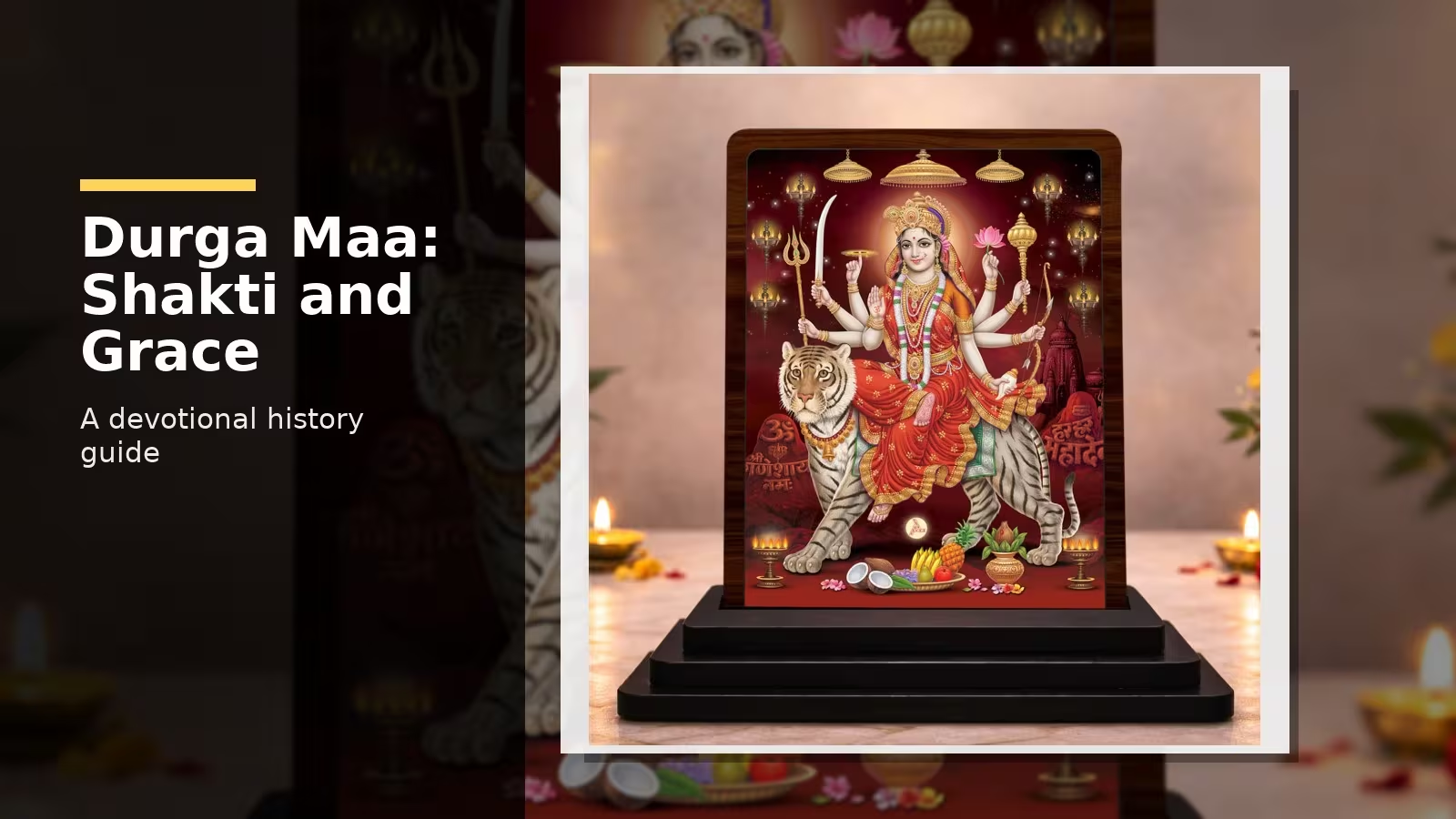
English Version
When devotees speak about durga maa significance, they are not only remembering a goddess from mythology. They are remembering Shakti itself — the divine feminine power that protects, nurtures, destroys evil, and restores dharma. Durga Maa is worshipped as the mother who listens, the warrior who protects, and the divine presence who gives courage in times of fear.
Her story is deeply rooted in Hindu tradition, and her worship continues to inspire millions during Navratri, Durga Puja, and daily prayers. For many families, Durga Maa is not just a deity; she is the living symbol of strength, compassion, and victory of good over evil.
Who is Durga Maa?
Durga Maa is one of the most revered forms of the Divine Mother in Hinduism. She is often described as the fierce yet loving goddess who defeats negative forces and protects her devotees. The name “Durga” is commonly understood as the one who removes difficulties and dangers.
In devotional understanding, she is the embodiment of courage, discipline, and divine protection. She is also closely associated with Shakti, the cosmic energy that gives life and power to the universe.
The Backstory of Durga Maa
One of the most well-known legends of Durga Maa comes from the battle against Mahishasura, the buffalo demon. According to the sacred tradition, Mahishasura grew powerful and began troubling the gods and the world. Since no single deity could defeat him alone, divine energy from the gods came together and took the form of Durga Maa.
She was created as the combined power of Shiva, Vishnu, Brahma, Indra, and other divine forces. Each god gave her a weapon or symbol of power. Riding a lion or tiger, Durga Maa fought Mahishasura and defeated him after a fierce battle. This victory is why she is often called Mahishasura Mardini, the slayer of Mahishasura.
This legend is not just about a battle. It represents a timeless spiritual truth: when arrogance, injustice, and darkness rise, divine strength appears to restore balance.
Durga Maa Significance in Hindu Faith
The durga maa significance lies in many layers of devotion and symbolism:
- Protector of devotees: She is believed to shield her children from fear, negativity, and harmful energies.
- Destroyer of evil: Her victory over Mahishasura symbolizes the triumph of righteousness.
- Source of courage: Devotees pray to her when they need inner strength and confidence.
- Motherly compassion: Despite her fierce form, she is worshipped as a loving mother.
- Symbol of Shakti: She reminds devotees that divine power is not passive; it is active, protective, and life-giving.
Symbols Associated with Durga Maa
Durga Maa is often shown with multiple arms, each holding a weapon or sacred object. These symbols carry deep meaning. Her many arms represent her ability to protect devotees in every direction. Her lion or tiger mount represents power, courage, and mastery over fear.
Common symbols in Durga Maa imagery include:
- Trident (trishul): Divine power and balance
- Sword: Wisdom and the power to cut ignorance
- Lotus: Purity and spiritual growth
- Lion/Tiger: Fearlessness and strength
- Conch and other divine emblems: Sacred sound and cosmic energy
For devotees, these are not decorative details. They are reminders of spiritual truths that guide daily life.
Navratri and Durga Puja Importance
Durga Maa is especially worshipped during Navratri, the nine sacred nights dedicated to the Divine Mother. In many homes and temples, devotees fast, chant mantras, read sacred stories, and offer prayers to seek her blessings.
In eastern India, especially West Bengal, Durga Puja is one of the grandest festivals. It celebrates the arrival of the goddess with devotion, art, music, and community worship. The festival is both spiritual and cultural, bringing families and communities together in joy and reverence.
During these sacred days, devotees reflect on the deeper message of Durga Maa: inner purification, discipline, and the victory of divine truth.
Famous Temples and Sacred Places of Worship
Across India, many temples and sacred places are dedicated to Durga Maa. These sites are visited by devotees seeking blessings, protection, and peace. While traditions vary by region, the devotion remains deeply heartfelt everywhere.
Some widely known places associated with Durga worship include:
- Vaishno Devi Shrine in Jammu, revered as a powerful form of the Mother Goddess
- Kamakhya Temple in Assam, an important Shakti Peetha
- Kalighat Temple in Kolkata, strongly associated with the worship of the Divine Mother
- Chamundeshwari Temple in Mysuru, linked with the goddess’s victory over evil forces
These sacred places show how deeply the worship of the goddess is woven into Indian spiritual life.
Why Devotees Feel Connected to Durga Maa
Many people turn to Durga Maa during life’s difficult moments. Her worship gives emotional comfort because she represents a mother who never abandons her children. In prayer, devotees often feel that she gives them the strength to face challenges, the wisdom to make right choices, and the calm to continue forward.
That is why the devotion to Durga Maa is not limited to festivals. It lives in everyday prayer, family traditions, and the quiet faith of millions who believe she walks with them through both struggle and success.
Daily Devotion and Home Worship
Many households keep a small Durga Maa image, murti, or framed depiction in their mandir or prayer corner. Such worship spaces become a place for morning prayers, diya lighting, and a few moments of peace before the day begins.
In compact homes, offices, and personal prayer areas, a neat devotional setup can help maintain daily darshan and a focused spiritual atmosphere. If you are looking for a compact faith-inspired display, you may also explore the related product on our store.
Common Questions Devotees Ask
Why is Durga Maa worshipped as a mother?
Because she is seen as the nurturing divine mother who protects, guides, and blesses her devotees with compassion and strength.
What does Durga Maa defeat in a spiritual sense?
She symbolizes the defeat of ego, ignorance, injustice, fear, and negativity.
Why is she shown riding a lion or tiger?
The lion or tiger represents courage, control, and fearless divine power.
What is the connection between Durga Maa and Shakti?
Durga Maa is one of the most powerful forms of Shakti, the divine feminine energy of the universe.
Final Reflection
The story of Durga Maa is more than a sacred tale. It is a living reminder that divine strength can emerge whenever the world needs balance. Her backstory, symbols, and festival worship all point to one message: truth, courage, and compassion always matter.
For devotees, durga maa significance is felt in prayer, in festivals, and in the heart’s quiet trust that the Divine Mother is always near.
Hindi Version
Jab bhakt durga maa significance ki baat karte hain, to woh sirf mythology ki ek devi ko yaad nahi karte. Woh Shakti ko yaad karte hain — woh divine feminine power jo raksha karti hai, paalan karti hai, adharm ko mitati hai, aur dharma ko punah sthapit karti hai. Durga Maa bhakton ke liye maa bhi hain, yoddha bhi hain, aur sahas ka anant strot bhi.
Unki katha Hindu parampara mein gehri jame hui hai, aur aaj bhi Navratri, Durga Puja, aur nitya puja ke madhyam se unki bhakti hazaron- लाखों logon ko prerna deti hai. Kai parivaron ke liye Durga Maa sirf ek murti ya devi nahi, balki shakti, karuna aur burai par achhai ki vijay ka jeevant prateek hain.
Durga Maa Kaun Hain?
Durga Maa Hindu dharm mein Divine Mother ke sabse poojya roopon mein se ek hain. Unhe aise devi ke roop mein dekha jata hai jo krur dikhne ke bawajood atyant karunamay hain. “Durga” naam ka arth aam taur par us shakti se liya jata hai jo kathinaiyon aur sankaton ko door karti hai.
Bhakti bhav mein woh sahas, anushasan aur divya raksha ki murti hain. Unka sambandh Shakti se bhi gehra hai, jo brahmand ki woh cosmic energy hai jo jeevan aur bal pradan karti hai.
Durga Maa Ki Backstory
Durga Maa ki sabse prasiddh katha Mahishasura naam ke mahish roopi asur se judi hai. Parampara ke anusaar Mahishasura bahut shaktishali ho gaya tha aur devtaon aur sansar ko satane laga tha. Jab koi ek devta use harane mein saksham nahi tha, tab sabhi devtaon ki divya shakti ek saath aayi aur Durga Maa ke roop mein prakat hui.
Unke roop mein Shiva, Vishnu, Brahma, Indra aur anya divya tattvon ki shakti samahit thi. Har devta ne unhe ek shastra ya shakti ka chinh diya. Sher ya bagh par savar hokar Durga Maa ne Mahishasura se ghore yuddh mein vijay prapt ki. Isliye unhe Mahishasura Mardini bhi kaha jata hai.
Yeh katha keval yuddh ki kahani nahi hai. Yeh ek sanatan adhyatmik satya ko darshati hai: jab ahankar, anyay aur andhkar badhte hain, tab divya shakti santulan punah sthapit karne ke liye prakat hoti hai.
Hindu Dharm Mein Durga Maa Ka Dharmik Mahatva
durga maa significance kai staron par mehsoos kiya jata hai:
- Bhakton ki rakshak: Unhe darr, nakaratmakta aur hanikarak urja se bachane wali maana jata hai.
- Burai ka nash: Mahishasura par unki vijay dharma ki jeet ka prateek hai.
- Sahas ka strot: Jab bhi bhakton ko himmat chahiye hoti hai, ve unse prarthana karte hain.
- Maa ki mamta: Unka roop bhale hi ugra ho, lekin bhakton ke liye ve karunamayi maa hain.
- Shakti ka prateek: Ve yaad dilati hain ki divya shakti nishkriya nahi, balki sakriya aur jeevan-dayi hoti hai.
Durga Maa Se Jude Prateek
Durga Maa ko aksar kai bhujaon ke saath dikhaya jata hai, jinmein alag-alag shastra ya pavitra chinh hote hain. Unki anek bhujaen is baat ka prateek hain ki ve har disha se bhakton ki raksha kar sakti hain. Unka sher ya bagh par savar hona shakti, sahas aur bhay par vijay ka sanket hai.
Pramukh prateek hain:
- Trishul: divya shakti aur santulan
- Talwar: gyaan aur agyaan ko kaatne ki shakti
- Kamal: pavitrata aur adhyatmik vikas
- Sher/Bagh: nirbhayata aur bal
- Shankh aur anya divya chinh: pavitra nad aur cosmic energy
Bhakton ke liye ye sirf sajavati tatva nahi hain. Ye jeevan ke adhyatmik satyon ki yaad dilate hain.
Navratri Aur Durga Puja Ka Mahatva
Durga Maa ki vishesh pooja Navratri ke nau pavitra dinon mein hoti hai. In dino mein bhakt vrat rakhte hain, mantra jap karte hain, katha sunte hain aur maa se aashirwad maangte hain.
Purv Bharat, visheshkar West Bengal mein, Durga Puja sabse bade aur bhavya tyoharon mein se ek hai. Yeh utsav bhakti, kala, sangeet aur samudaayik ekta ka sangam hai. Is dauran parivaar aur samuday milkar maa ka swagat karte hain.
In pavitra dino mein bhakt Durga Maa ke sandesh par vichar karte hain: antar shuddhi, anushasan, aur satya ki vijay.
Prasiddh Mandir Aur Pavitra Sthal
Bharat bhar mein Durga Maa ke anek prasiddh mandir aur pavitra sthal hain. Yahan bhakt aashirwad, raksha aur shanti ke liye aate hain. Parampara alag ho sakti hai, lekin bhakti ka bhav har jagah gehra aur saccha hai.
Kuch prasiddh sthal:
- Vaishno Devi Shrine in Jammu
- Kamakhya Temple in Assam
- Kalighat Temple in Kolkata
- Chamundeshwari Temple in Mysuru
Yeh sthal dikhate hain ki Devi ki upasana Bharat ki spiritual life ka kitna mahatvapurn hissa hai.
Bhakt Durga Maa Se Itne Jude Kyun Mehsoos Karte Hain?
Jeevan ke kathin samayon mein bahut se log Durga Maa ki sharan lete hain. Unki bhakti emotional comfort deti hai, kyunki ve aisi maa ka prateek hain jo apne bachchon ko kabhi akela nahi chhodti. Prarthana mein bhakt mehsoos karte hain ki ve unhe himmat, vivek aur shaanti deti hain.
Isi liye Durga Maa ki bhakti sirf tyoharon tak simit nahi hai. Yeh rozmarra ki puja, parivarik paramparaon aur un karodon logon ki nishtha mein jeevit hai jo maante hain ki maa har sangharsh aur safalta mein unke saath hain.
Ghar Mein Nitya Bhakti
Bahut se gharon mein Durga Maa ki chhoti murti, chitra ya framed image mandir mein rakhi jaati hai. Aise sthaan subah ki puja, diya jalane aur din shuru karne se pehle kuch shant pal dene ka kaam karte hain.
Compact homes, offices aur personal prayer corners ke liye ek saaf-suthra devotional setup daily darshan aur spiritual focus mein madad karta hai. Agar aap ek compact faith-inspired display dekh rahe hain, to aap related product on our store bhi dekh sakte hain.
Bhakton Ke Aam Sawaal
Durga Maa ko maa ke roop mein kyun pooja jata hai?
Kyunki unhe aisi divya maa maana jata hai jo prem, suraksha aur margdarshan ke saath bhakton ka palan karti hain.
Adhyatmik drishti se Durga Maa kis par vijay paati hain?
Ve ahankar, agyaan, anyay, bhay aur nakaratmakta ka nash darshati hain.
Unhe sher ya bagh par savar kyun dikhaya jata hai?
Sher ya bagh sahas, niyantran aur nirbhay divya shakti ka prateek hai.
Durga Maa aur Shakti ka kya sambandh hai?
Durga Maa brahmand ki divya feminine energy Shakti ke sabse shaktishali roopon mein se ek hain.
Antim Vichar
Durga Maa ki katha sirf ek pavitra kahani nahi hai. Yeh ek jeevant yaad dilati hai ki jab sansar ko santulan ki zarurat hoti hai, tab divya shakti prakat ho sakti hai. Unki backstory, prateek aur utsav sab ek hi sandesh dete hain: satya, sahas aur karuna sadaiv mahatvapurn hain.
Bhakton ke liye, durga maa significance prarthana mein, tyoharon mein aur hriday ki us nishtha mein mehsoos hota hai jahan yeh vishwas hota hai ki Divine Mother sadaiv paas hain.