
Buddha Significance: Names, Symbols, and Sacred Meanings
April 10, 2026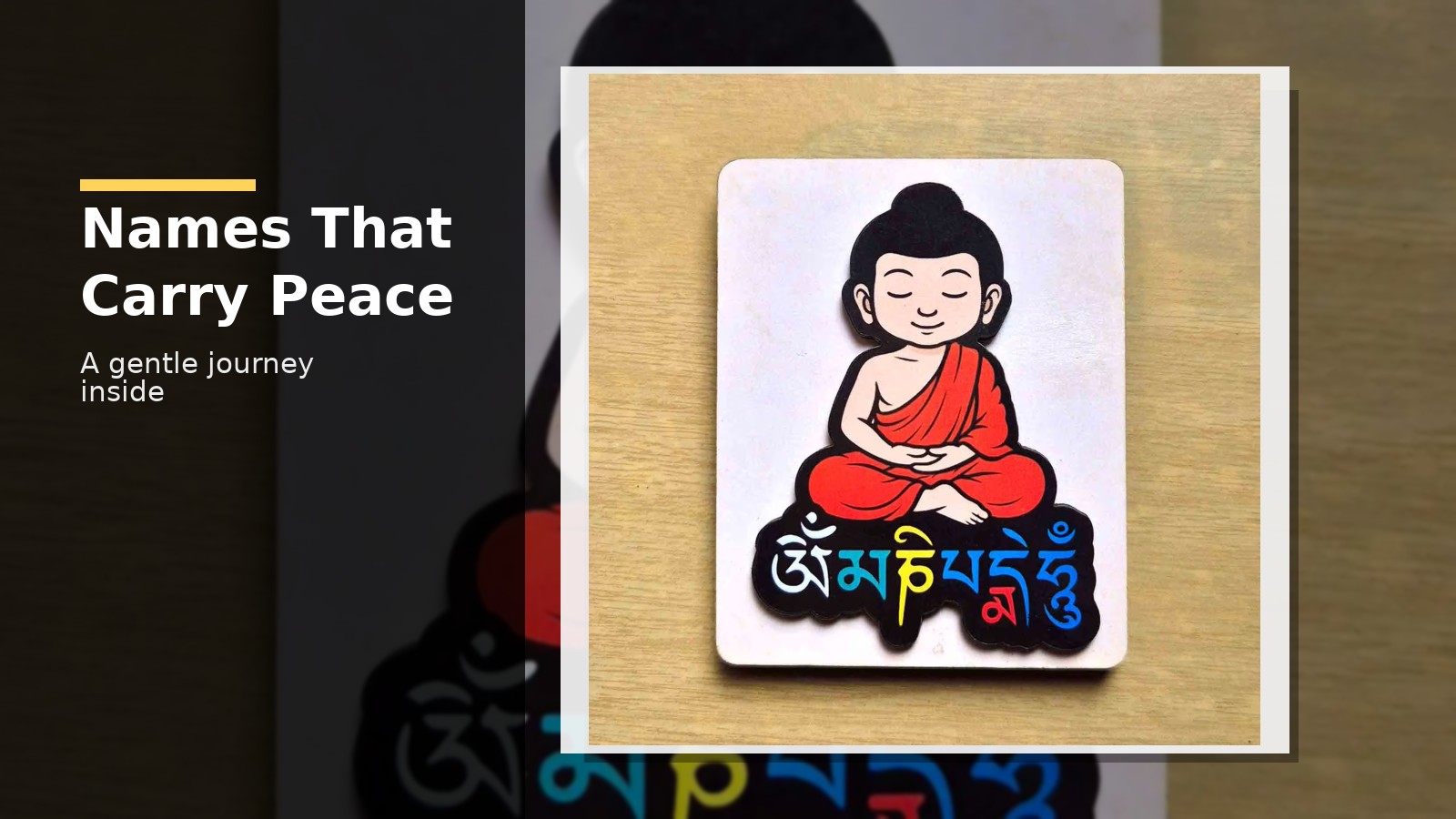
English Version
When people speak about buddha significance, they often mean more than a historical figure or a beautiful image in meditation. They are really speaking about a way of seeing life—quietly, deeply, and with compassion. In many homes, temples, and travel memories, the image of Buddha brings a feeling that is hard to describe but easy to recognize: stillness, balance, and a small reminder that peace is possible even in a noisy world.
But the deeper beauty lies in the names, symbols, and devotional meanings attached to Buddha. Like a loving dadi telling a story by the evening light, let us slowly open these names and understand what they whisper to the heart.
Who Is Buddha?
Buddha is the title given to Siddhartha Gautama after his awakening. The word Buddha means “the awakened one.” It does not point to a god in the usual sense, but to a person who discovered the path out of suffering through wisdom, ethical living, and meditation.
His story begins as a prince, but it turns into a journey far more universal. He saw old age, illness, and death, and these sights awakened a deep search for truth. After years of practice, he attained enlightenment under the Bodhi tree. From that moment, the title Buddha carried not just identity, but a message: human life can change through inner understanding.
Buddha Significance Through Sacred Names
One reason Buddha remains so beloved is that his names are not decorative labels. Each one carries a teaching.
- Buddha – The awakened one, symbolizing clarity and insight.
- Bhagavan – A revered and blessed teacher, often used with deep respect.
- Shakyamuni – The sage of the Shakya clan, grounding his wisdom in a real human life.
- Tathagata – A profound title used in Buddhist tradition, often understood as one who has thus come or thus gone beyond ordinary limits.
- Jina – The conqueror of inner weaknesses, not by force but by mastery of the self.
These names do not glorify power in the worldly sense. They point toward inner victory. They tell us that the greatest battle is often not outside, but within the mind, where fear, craving, anger, and confusion must be gently transformed.
The Main Symbols Associated With Buddha
Buddha’s image often appears with certain symbols that quietly teach the path. These are not just artistic choices; they are devotional reminders.
1. The Lotus Flower
The lotus grows from muddy water yet blooms untouched and pure. That is why it is linked with spiritual awakening. It tells us that a person can rise above suffering without denying the world below.
2. The Bodhi Tree
The Bodhi tree marks the place of enlightenment. It stands for patience, endurance, and the moment when truth becomes visible after long inner effort.
3. The Dharma Wheel
The wheel represents the Buddha’s teaching, or Dharma. Its turning suggests movement, continuity, and the spreading of wisdom from one life to another.
4. The Meditating Posture
Buddha seated in meditation is perhaps the most familiar image. The still body and calm face remind devotees that peace begins in awareness, not in noise.
5. The Hand Gestures, or Mudras
Different hand positions carry meanings such as blessing, meditation, teaching, fearlessness, or compassion. Even in silence, these gestures speak.
Why Buddha’s Teachings Still Feel So Relevant
The world changes fast, but the human heart changes slowly. We still want relief from stress, clarity in confusion, and kindness in a difficult world. This is why Buddha significance remains alive in daily life.
His teaching does not demand blind belief. It asks for observation, discipline, and honest self-inquiry. He pointed to suffering, but also to the possibility of ending it. That balance is one reason people across cultures continue to turn toward his image and his words.
In simple language, Buddha says:
- Look carefully at your mind.
- Let go of what harms you.
- Practice compassion.
- Walk the middle path.
Devotional Importance in Homes and Temples
In Buddhist homes and monasteries, Buddha’s presence is often felt through a simple altar, a lamp, flowers, incense, or a small statue. Devotion here is quiet, not loud. It is a practice of remembering the path.
In temples, the image of Buddha becomes a place for reflection. Visitors bow, sit in silence, or offer flowers as a sign of gratitude. The mood is not one of demand, but of reverence. The devotee does not ask Buddha to remove life’s realities; instead, one asks for the strength to meet them with wisdom.
Famous Places of Worship and Reverence
Many sacred places are deeply connected with the life and teachings of Buddha. These sites are not only historic; they are emotionally powerful for pilgrims.
- Bodh Gaya – The place of enlightenment under the Bodhi tree.
- Sarnath – Where Buddha gave his first sermon and set the Dharma wheel in motion.
- Kushinagar – Associated with his Mahaparinirvana, or final passing.
- Lumbini – Widely revered as his birthplace.
These places carry the memory of a life that changed spiritual history. For pilgrims, visiting them can feel like walking into a living prayer.
Legends, Memory, and the Human Journey
What makes Buddha’s story so moving is that it is not only about one extraordinary person. It mirrors ordinary human longing. We all know what it feels like to search, to question, to suffer, and to hope. Buddha’s life offers a map for that search.
His renunciation teaches detachment. His meditation teaches discipline. His compassion teaches tenderness. And his awakening teaches that the mind, when trained with patience, can become a lamp in darkness.
That is the deeper Buddha significance: not just to admire the image, but to remember the possibility of awakening in our own hearts.
Common Questions Devotees Ask
Why is Buddha called the awakened one?
Because the title Buddha refers to enlightenment—complete understanding of reality, suffering, and the path beyond suffering.
What does the lotus symbolize in Buddhism?
The lotus symbolizes purity, spiritual growth, and the ability to rise above difficult conditions.
Why do people keep Buddha images at home?
Many people keep Buddha images as a reminder of peace, mindfulness, compassion, and self-discipline.
What is the meaning of the Dharma wheel?
It represents the Buddha’s teachings and the ongoing spread of wisdom.
Is Buddha worshipped as a god?
In Buddhist tradition, Buddha is generally revered as the enlightened teacher, not worshipped as a creator god. Practices vary by culture and tradition.
A Gentle Reminder for Daily Life
Sometimes a small sacred object can bring a large feeling of calm. A Buddha image on a desk, shelf, or refrigerator can become a quiet pause in the middle of a busy day—a visual reminder to breathe, soften, and begin again. If you enjoy keeping such devotional reminders in your space, you may also like our Buddha Blessings 3D Fridge Magnet, a simple way to carry that peaceful presence into everyday life.
In the end, Buddha significance is not only about history or symbolism. It is about a living lesson: peace is not found by escaping life, but by understanding it with wisdom and compassion.
Hindi Version
जब लोग buddha significance की बात करते हैं, तो वे सिर्फ किसी ऐतिहासिक व्यक्ति या सुंदर मूर्ति की चर्चा नहीं करते। वे उस जीवन-दृष्टि की बात करते हैं जो चुपचाप, गहराई से और करुणा के साथ दुनिया को देखती है। बहुत से घरों, मंदिरों और यात्रा-स्मृतियों में बुद्ध की छवि एक ऐसा सुकून देती है जिसे शब्दों में कहना आसान नहीं, पर महसूस तुरंत किया जा सकता है: स्थिरता, संतुलन, और यह याद कि शोर भरी दुनिया में भी शांति संभव है।
बुद्ध के नाम, प्रतीक और भक्ति-भाव इस शांति को और गहरा बनाते हैं। जैसे कोई दादी शाम के समय प्यार से कहानी सुनाए, वैसे ही आइए इन नामों और अर्थों को धीरे-धीरे खोलकर समझें।
बुद्ध कौन हैं?
बुद्ध, सिद्धार्थ गौतम को ज्ञान प्राप्ति के बाद दिया गया एक सम्मानजनक शीर्षक है। Buddha का अर्थ है “जाग्रत” या “प्रबुद्ध।” यह सामान्य अर्थों में किसी देवता का नाम नहीं, बल्कि उस व्यक्ति का परिचय है जिसने ज्ञान, अनुशासन और ध्यान के माध्यम से दुख से मुक्ति का मार्ग जाना।
उनकी कहानी राजकुमार के रूप में शुरू होती है, लेकिन आगे चलकर यह पूरी मानवता की कहानी बन जाती है। वृद्धावस्था, बीमारी और मृत्यु को देखकर उनके भीतर सत्य की खोज जागी। वर्षों के अभ्यास के बाद उन्होंने बोधि वृक्ष के नीचे ज्ञान प्राप्त किया। तभी से “बुद्ध” नाम केवल पहचान नहीं, एक संदेश बन गया—कि मनुष्य का जीवन भीतर से बदल सकता है।
संबंधित नामों से झलकती Buddha significance
बुद्ध के नाम केवल सम्मानसूचक शब्द नहीं हैं; हर नाम एक शिक्षा देता है।
- बुद्ध – जाग्रत व्यक्ति, जो स्पष्टता और अंतर्दृष्टि का प्रतीक है।
- भगवान – आदर और श्रद्धा से प्रयोग होने वाला एक सम्मानित संबोधन।
- शाक्यमुनि – शाक्य वंश के मुनि, जो उनके मानवीय जीवन को आधार देता है।
- तथागत – बौद्ध परंपरा का गहन शीर्षक, जो साधारण सीमाओं से परे होने का संकेत देता है।
- जिन – भीतर की कमजोरियों पर विजय पाने वाला, बल से नहीं बल्कि आत्म-नियंत्रण से।
ये नाम बाहरी शक्ति का गुणगान नहीं करते। ये भीतर की जीत की ओर इशारा करते हैं। ये बताते हैं कि सबसे बड़ी लड़ाई अक्सर बाहर नहीं, हमारे भीतर चलती है—जहाँ भय, लालसा, क्रोध और भ्रम को धीरे-धीरे बदलना होता है।
बुद्ध से जुड़े प्रमुख प्रतीक
बुद्ध की छवि के साथ कुछ प्रतीक बहुत बार दिखाई देते हैं। ये केवल कला नहीं, बल्कि भक्ति के सूक्ष्म संदेश हैं।
1. कमल का फूल
कमल कीचड़ में उगकर भी निर्मल खिलता है। इसलिए यह आध्यात्मिक जागरण का प्रतीक है। यह सिखाता है कि मनुष्य दुख के बीच रहकर भी उससे ऊपर उठ सकता है।
2. बोधि वृक्ष
बोधि वृक्ष उस स्थान की याद दिलाता है जहाँ बुद्ध को ज्ञान प्राप्त हुआ। यह धैर्य, तप और उस क्षण का प्रतीक है जब लंबी साधना के बाद सत्य प्रकट होता है।
3. धर्मचक्र
धर्मचक्र बुद्ध के उपदेश, यानी धर्म, का प्रतीक है। इसका घूमना ज्ञान के प्रसार, निरंतरता और जीवन में आगे बढ़ते सत्य को दर्शाता है।
4. ध्यान मुद्रा
ध्यानमग्न बुद्ध की छवि सबसे परिचित प्रतीकों में से एक है। शांत चेहरा और स्थिर शरीर यह याद दिलाते हैं कि शांति शोर में नहीं, जागरूकता में पैदा होती है।
5. हाथों की मुद्राएँ
अलग-अलग हाथ की मुद्राएँ आशीर्वाद, ध्यान, शिक्षा, निर्भयता और करुणा का अर्थ रखती हैं। मौन में भी ये बहुत कुछ कह देती हैं।
आज भी बुद्ध की शिक्षाएँ इतनी प्रासंगिक क्यों हैं?
दुनिया तेजी से बदलती है, लेकिन मनुष्य का मन धीरे बदलता है। हम आज भी तनाव से राहत, भ्रम में स्पष्टता और कठिन दुनिया में kindness चाहते हैं। इसी कारण Buddha significance आज भी जीवित है।
उनकी शिक्षा अंधविश्वास नहीं माँगती। वह निरीक्षण, अनुशासन और ईमानदार आत्म-परीक्षण माँगती है। उन्होंने दुख की बात की, लेकिन उसके अंत की संभावना भी दिखाई। यही संतुलन लोगों को आज भी उनकी ओर खींचता है।
सरल शब्दों में बुद्ध कहते हैं:
- अपने मन को ध्यान से देखो।
- जो हानि पहुँचाए, उसे छोड़ो।
- करुणा का अभ्यास करो।
- मध्यम मार्ग पर चलो।
घर और मंदिरों में उनका भक्ति-भाव
बौद्ध घरों और मठों में बुद्ध की उपस्थिति अक्सर एक छोटे से altar, दीपक, फूल, धूप या छोटी प्रतिमा के रूप में महसूस होती है। यहाँ भक्ति शोर भरी नहीं होती—यह याद रखने की साधना होती है।
मंदिरों में बुद्ध की छवि चिंतन का स्थान बन जाती है। लोग झुकते हैं, मौन बैठते हैं या कृतज्ञता के रूप में फूल अर्पित करते हैं। यहाँ आग्रह कम, श्रद्धा अधिक होती है। भक्त बुद्ध से जीवन की वास्तविकताओं को हटाने की प्रार्थना नहीं करता; वह उन्हें बुद्धिमानी से झेलने की शक्ति माँगता है।
प्रसिद्ध तीर्थ और पूजा-स्थल
बुद्ध के जीवन और शिक्षाओं से कई पवित्र स्थान जुड़े हैं। ये केवल ऐतिहासिक जगहें नहीं, बल्कि श्रद्धालुओं के लिए भावनात्मक रूप से बहुत अर्थपूर्ण स्थल हैं।
- बोधगया – बोधि वृक्ष के नीचे ज्ञान प्राप्ति का स्थान।
- सारनाथ – जहाँ बुद्ध ने पहला उपदेश दिया और धर्मचक्र प्रवर्तन हुआ।
- कुशीनगर – महापरिनिर्वाण से जुड़ा स्थान।
- लुम्बिनी – व्यापक रूप से उनका जन्मस्थान माना और पूजा जाता है।
इन स्थानों में बुद्ध के जीवन की स्मृति बसती है। तीर्थयात्रियों के लिए वहाँ जाना किसी जीवित प्रार्थना में प्रवेश करने जैसा होता है।
कहानियाँ, स्मृति और मानवीय यात्रा
बुद्ध की कहानी इसलिए इतनी स्पर्श करती है क्योंकि यह केवल एक महान व्यक्ति की कहानी नहीं, बल्कि हमारी अपनी खोज की कहानी भी है। हम सब कभी न कभी खोजते हैं, प्रश्न करते हैं, दुख झेलते हैं और आशा रखते हैं। बुद्ध का जीवन इस यात्रा का नक्शा देता है।
उनका त्याग वैराग्य सिखाता है। उनका ध्यान अनुशासन सिखाता है। उनकी करुणा कोमलता सिखाती है। और उनका जागरण यह सिखाता है कि धैर्य से प्रशिक्षित मन अंधकार में दीपक बन सकता है।
यही गहरी Buddha significance है: केवल छवि की प्रशंसा नहीं, बल्कि अपने भीतर जागरण की संभावना को याद रखना।
भक्त अक्सर क्या पूछते हैं?
बुद्ध को जाग्रत क्यों कहा जाता है?
क्योंकि “बुद्ध” का अर्थ ज्ञानोदय से जुड़ा है—वास्तविकता, दुख और दुख से बाहर निकलने के मार्ग की गहरी समझ।
बौद्ध धर्म में कमल का क्या अर्थ है?
कमल शुद्धता, आध्यात्मिक विकास और कठिन परिस्थितियों से ऊपर उठने की क्षमता का प्रतीक है।
लोग घर में बुद्ध की छवि क्यों रखते हैं?
बहुत से लोग बुद्ध की छवि शांति, mindfulness, करुणा और आत्म-अनुशासन की याद के रूप में रखते हैं।
धर्मचक्र का अर्थ क्या है?
यह बुद्ध की शिक्षाओं और ज्ञान के निरंतर प्रसार का प्रतीक है।
क्या बुद्ध की पूजा भगवान की तरह की जाती है?
बौद्ध परंपरा में बुद्ध को आम तौर पर सृष्टिकर्ता देवता के रूप में नहीं, बल्कि एक प्रबुद्ध शिक्षक के रूप में आदर दिया जाता है। परंपराएँ संस्कृति और संप्रदाय के अनुसार बदल सकती हैं।
दैनिक जीवन के लिए एक छोटी-सी याद
कभी-कभी एक छोटा-सा sacred object भी बड़े सुकून का एहसास दे सकता है। बुद्ध की छवि डेस्क, शेल्फ या फ्रिज पर एक शांत विराम की तरह काम करती है—एक छोटा reminder कि रुकें, साँस लें, और फिर से शुरू करें। यदि आप अपने स्थान में ऐसे devotional reminders पसंद करते हैं, तो हमारा Buddha Blessings 3D Fridge Magnet भी देख सकते हैं, जो उस शांत उपस्थिति को रोज़मर्रा की ज़िंदगी में लाने का एक सरल तरीका है।
अंत में, Buddha significance केवल इतिहास या प्रतीकों की बात नहीं है। यह एक जीवित सीख है: शांति जीवन से भागकर नहीं, बल्कि उसे wisdom और compassion के साथ समझकर मिलती है।
FAQ
Buddha significance का सबसे बड़ा संदेश क्या है?
सबसे बड़ा संदेश है जागरूकता, करुणा, और दुख से मुक्ति का मार्ग।
क्या बुद्ध की छवि केवल पूजा के लिए होती है?
नहीं, कई लोग इसे ध्यान, प्रेरणा और मानसिक शांति की याद के रूप में भी रखते हैं।
बुद्ध के नामों में क्या खास बात है?
हर नाम उनके जीवन के अलग पहलू—जागरण, सम्मान, साधना और आंतरिक विजय—को दर्शाता है।
क्या बोधगया बौद्ध धर्म का सबसे महत्वपूर्ण स्थान है?
हाँ, क्योंकि वहीं बुद्ध ने ज्ञान प्राप्त किया था, इसलिए यह अत्यंत पवित्र तीर्थ माना जाता है।