
Buddha History: Regional Forms and Living Traditions
May 12, 2026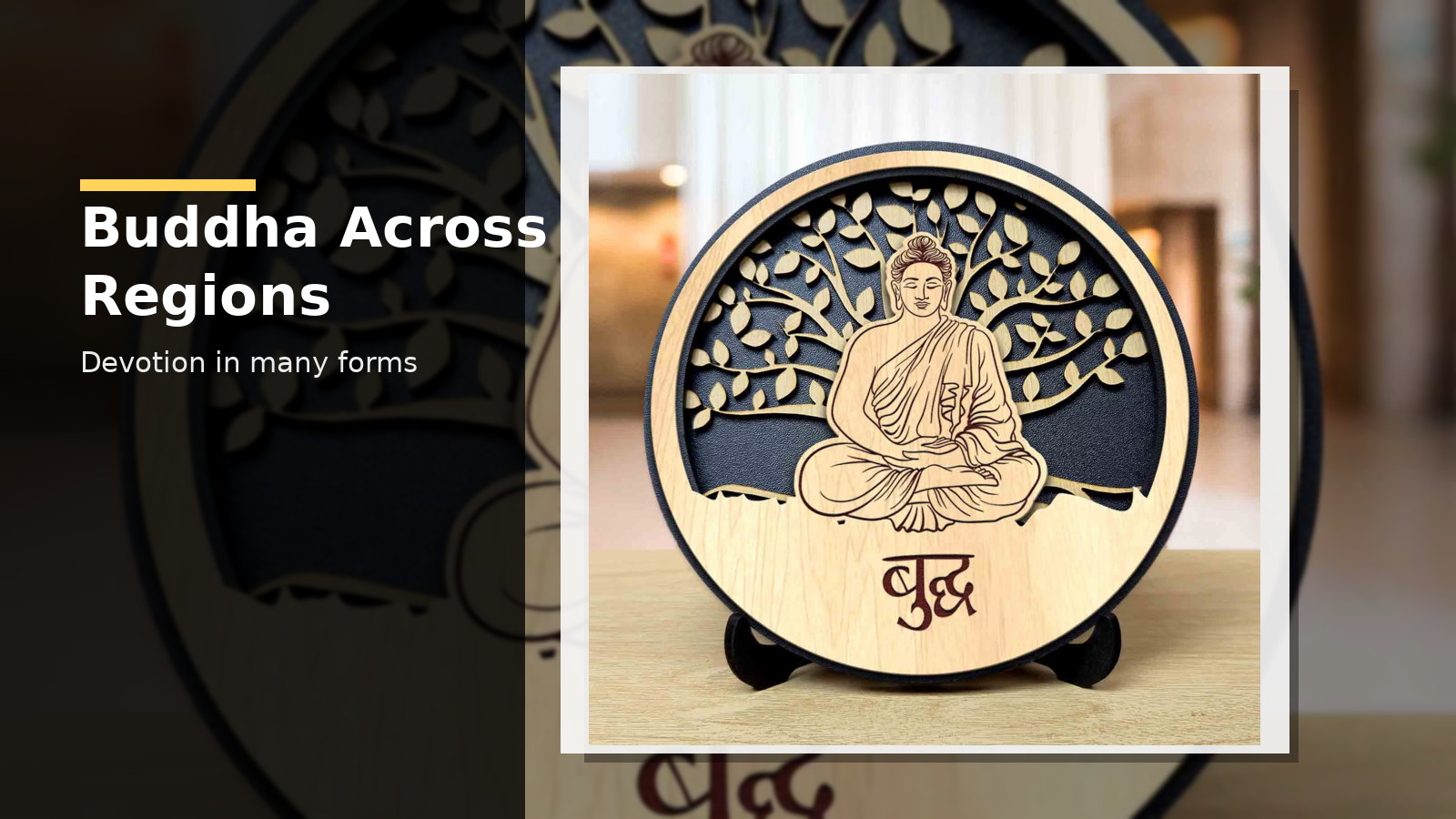
English Version
When we speak of buddha history, it is not only the story of a prince who walked away from comfort and found awakening beneath the Bodhi tree. It is also the gentler, wider story of how his presence has lived in many lands, in many forms, and in many kinds of worship. Like a lamp carried from one home to another, the teaching of Buddha has taken the color of each place it touched.
In some homes, Buddha is remembered through silence and meditation. In some monasteries, through chants and offerings. In some regions, through beautiful images with calm faces, folded hands, and the promise of peace. Across towns, hills, temples, and small prayer corners, devotion to Buddha has grown into a deeply human tradition—quiet, disciplined, and full of compassion.
The heart of Buddha history
The central story of Buddha history is well known: Siddhartha Gautama was born into a royal family, saw the suffering of the world, and chose a path of renunciation and search. After deep meditation, he attained enlightenment and came to be known as the Buddha, the Awakened One.
But devotion did not stop with that one great moment. Over centuries, communities remembered Buddha not only as a teacher, but also as a living symbol of compassion, wisdom, and inner freedom. That is why his image appears in temples, homes, monasteries, and pilgrimage spaces in so many regional styles.
Regional forms of Buddha worship and representation
One of the most beautiful things about Buddha history is how local traditions have shaped the way people see and honor him. The same reverence takes on different visual forms depending on region, culture, and practice.
- North Indian traditions: Buddha is often remembered through sacred sites connected to his life, especially Bodh Gaya, Sarnath, Kushinagar, and Lumbini.
- Himalayan and Tibetan traditions: Worship often includes prayer flags, chanting, butter lamps, and thangka paintings that reflect the depth of meditative practice.
- South Indian Buddhist heritage: Ancient stupas, relic traditions, and local memories of Buddhist learning continue to inspire reverence.
- Southeast Asian forms: Buddha is often shown in region-specific postures, from meditation to blessing gestures, each carrying its own devotional meaning.
- East Asian traditions: Images of calmness, balance, and compassion are central, with temple rituals adapted to local spiritual life.
These regional forms do not divide the teaching; they show how deeply it has been received by different communities. The outer style changes, but the inner feeling remains devotion, discipline, and peace.
Local traditions that keep the devotion alive
In many places, Buddha is not remembered only in grand monasteries. He is also present in daily life. A small altar in a home, a floral offering at a temple, a lamp lit in the evening, or a quiet bow before travel—these are all part of living tradition.
Some communities observe Buddha Jayanti with prayer, meditation, alms-giving, and teachings. Others honor him through seasonal gatherings, community meals, and acts of kindness. In household worship, a Buddha image often becomes a reminder to pause, breathe, and return to clarity.
This is where buddha history feels especially close to the heart: not as something distant and frozen in books, but as a spiritual presence that enters the rhythm of everyday life.
Symbols seen in Buddha devotion
Many symbols accompany Buddha worship, and each one carries a quiet message.
- Lotus: A sign of purity rising from difficulty.
- Dharmachakra: The wheel of teaching and righteous path.
- Calm seated posture: A reminder of meditation and inner stillness.
- Folded hands or blessing mudra: An expression of grace, protection, and compassion.
- Soft smile: A visual language of peace, understanding, and awakening.
These symbols help devotees connect with the teachings even when words are few. In a noisy world, a Buddha image can feel like a pause made visible.
Famous places connected to Buddha history
Several sacred places are deeply woven into Buddha history and continue to draw pilgrims and seekers.
- Lumbini: The birthplace of Siddhartha Gautama.
- Bodh Gaya: The place of enlightenment beneath the Bodhi tree.
- Sarnath: Where Buddha gave his first sermon.
- Kushinagar: Associated with his Mahaparinirvana.
- Rajgir and Nalanda: Important centers in the spread of Buddhist learning and memory.
These places are not only historical markers. For devotees, they are living landscapes of remembrance. To visit them is to walk through the story of awakening step by step.
Festival significance and devotional mood
Buddha Jayanti, also known in many places as Vesak, is one of the most meaningful occasions in Buddhist practice. It celebrates the birth, enlightenment, and passing of the Buddha. The mood is often serene and luminous—lamps are lit, prayers are offered, scriptures are read, and acts of kindness are encouraged.
In homes and communities, this day becomes a reminder that devotion is not only about ritual. It is also about conduct: gentleness in speech, clarity in thought, and compassion in action. That is why Buddha worship feels so intimate. It teaches by example, not by force.
Why Buddha continues to feel close to modern life
Many people today are drawn to Buddha not only for his history, but for the emotional honesty of his teaching. He speaks to suffering without denial. He points to peace without escape. He reminds us that the mind can be trained, and the heart can soften.
This is why Buddha images are often placed in meditation rooms, prayer corners, study desks, and peaceful home spaces. They do not merely decorate a room; they change its mood. They invite stillness, gratitude, and reflection.
In that sense, the journey of devotion continues. Buddha history is not only about the past. It is about how people today still kneel, sit, breathe, and remember.
Common questions devotees ask
What is the main message of Buddha history?
The main message is awakening through wisdom, compassion, and the understanding of suffering.
Why are there different regional forms of Buddha images?
Different regions developed their own artistic and devotional traditions, so Buddha is represented in ways that reflect local culture and worship style.
What is the significance of Buddha Jayanti?
It is a sacred day that honors Buddha’s birth, enlightenment, and passing, often marked by prayer, meditation, and acts of kindness.
Why do people keep Buddha idols at home?
Many people keep Buddha images as a reminder of peace, mindfulness, and spiritual discipline in daily life.
A gentle devotional closing
In the end, buddha history is like a quiet river that has flowed through many lands without losing its purity. Regional forms may differ, local traditions may vary, and worship styles may change from place to place, but the message remains beautifully constant: be awake, be kind, be still.
If you are creating a peaceful corner at home or looking for a meaningful spiritual gift, you may also Explore the related product on our store. The Buddha Round Engraved Idol brings a serene devotional touch to a compact space, making it suitable for a home temple, desk, or gifting.
Hindi Version
Jab hum buddha history ki baat karte hain, to sirf ek rajkumar ki kahani nahi hoti jo sukh-samriddhi chhodkar Bodhi vriksh ke neeche awakening tak pahuncha. Ye usse bhi zyada gehri kahani hai—ki Buddha alag-alag deshon, alag roopon, aur alag worship traditions mein kaise jeevit rahe. Jaise ek diya ek ghar se doosre ghar tak roshni pahunchata hai, waise hi Buddha ka sandesh har jagah apna rang lekar pahunchta raha.
Kahin unhe maun aur dhyan ke roop mein yaad kiya jata hai. Kahin mantra, deepak aur phool arpan ke saath. Aur kahin unki moorti itni shaant hoti hai ki bas dekhte hi man dheema ho jata hai. Ghar ke chhote mandir, monastery, ya kisi shehar ke kone mein bana prayer space—har jagah Buddha ki upasthiti ek halki si lekin gehri shaanti le aati hai.
Buddha history ka mool sandesh
Buddha history ka sabse prasiddh hisa hai Siddhartha Gautama ka jeevan: rajmahal se nikalna, sansar ka dukh dekhna, aur sach ki khoj mein nikal padna. Gehri tapasya aur dhyan ke baad unhe bodh prapt hua, aur tab se ve Buddha, yani Awakened One, ke roop mein puje jaane lage.
Lekin bhakti yahin rukti nahi. Sadiyon ke dauran logon ne Buddha ko sirf ek guru ki tarah nahi, balki karuna, vivek aur antar shanti ke jeevant prateek ke roop mein yaad rakha. Isi wajah se unki murtiyan aur pratimaayein alag-alag regions ki kala aur parampara ke saath dikhayi deti hain.
Regional forms aur local worship styles
Buddha history ki sabse sundar baaton mein se ek hai ki local traditions ne unki upasna aur roop ko kaise shape kiya. Ek hi bhakti alag jagahon par alag nazar aati hai, lekin bhavna wahi rehti hai.
- North India: Bodh Gaya, Sarnath, Kushinagar aur Lumbini jaise pavitra sthalon se Buddha ki yaad judi hai.
- Himalayan aur Tibetan traditions: Yahan prayer flags, chanting, butter lamps aur thangka paintings bhakti ka hissa hote hain.
- South Indian Buddhist heritage: Purane stupas aur relic traditions Buddha ki yatra ko yaad karwate hain.
- Southeast Asian forms: Buddha ko alag-alag mudra aur posture mein dikhaya jata hai.
- East Asian traditions: Shaanti, santulan aur karuna ka visual bhaav bahut pramukh hota hai.
Ye regional forms bhakti ko baant-te nahi, balki uski gehraai dikhate hain. Bahari roop badalta hai, lekin andar ka sandesh ek hi rehta hai—shaanti, karuna, aur jagrukta.
Local traditions jo bhakti ko zinda rakhti hain
Kayi jagahon par Buddha ki yaad sirf bade monasteries mein nahi, balki rozmarra ke jeevan mein bhi basi hoti hai. Ghar ke chhote altar par diya jalana, phool chadhana, shaam ko pranam karna, ya safar se pehle maun se yaad karna—ye sab living tradition ka hissa hai.
Buddha Jayanti ya Vesak par prarthana, dhyan, daan aur seva ka mahatva badh jata hai. Kuch log community gatherings karte hain, kuch scriptures padhte hain, aur kuch seedhe apne vyavahar mein dayalu banne ka sankalp lete hain.
Isliye buddha history sirf kitaabon ki baat nahi lagti. Ye aaj bhi ghar ke andar, man ke andar, aur samaj ke andar jeevit hai.
Symbols jo Buddha bhakti mein dikhaayi dete hain
Buddha worship mein kuch pramukh symbols baar-baar nazar aate hain:
- Lotus: Mushkil se nikalti pavitrata ka prateek.
- Dharmachakra: Gyaan aur dharm ke marg ka chakra.
- Seated posture: Dhyan aur antar-sthirta ka sanket.
- Blessing mudra: Kripa, raksha aur karuna ka bhaav.
- Shaant muskaan: Awakening aur samajh ka visual sandesh.
Ye symbols bina zyada shabdon ke bhi man ko sambodhit karte hain. Shor bhari duniya mein Buddha ki pratima ek aisi khamoshi lagti hai jo dikhayi deti hai.
Buddha history se jude pavitra sthaan
Kuch sthaan Buddha history mein bahut mahatvapurn hain aur aaj bhi yatriyon aur bhakton ko kheenchte hain:
- Lumbini: Siddhartha Gautama ka janm sthaan.
- Bodh Gaya: Bodhi vriksh ke neeche bodh prapti ka sthaan.
- Sarnath: Jahan unhone pehla upadesh diya.
- Kushinagar: Mahaparinirvana se juda sthaan.
- Rajgir aur Nalanda: Buddhist shiksha ke bade kendra.
Ye jagah sirf historical points nahi hain. Bhakton ke liye ye yaad aur jagrukta ke jeevant sthaan hain.
Buddha Jayanti aur devotional mood
Buddha Jayanti, ya Vesak, bahut pavitra avsar mana jata hai. Is din Buddha ke janm, bodh aur mahaparinirvana—teenon ki yaad ki jati hai. Mahol shaant, deepmay aur karuna se bhara hota hai.
Deep jalte hain, prarthana hoti hai, granth padhe jate hain, aur daya ke kaam kiye jate hain. Ye din yaad dilata hai ki bhakti sirf ritual nahi; wo vyavahar bhi hai—mithi vani, saaf soch, aur dayalu karm.
Aaj ke jeevan mein Buddha ka mahatva
Aaj bhi kai log Buddha ki taraf isliye aakarshit hote hain kyunki unka sandesh seedha dil tak pahunchta hai. Wo dukh ko nazarandaaz nahi karte. Wo shaanti ko bhaagkar nahi, samajhkar paane ki baat karte hain. Aur ye bhi dikhate hain ki man ko train kiya ja sakta hai, aur hriday ko naram banaya ja sakta hai.
Isi wajah se Buddha images meditation room, prayer corner, study desk, aur peaceful home spaces mein rakhi jati hain. Ye sirf decoration nahi hoti; ye room ka mahol badal deti hain.
Common questions
Buddha history ka sabse bada sandesh kya hai?
Buddha history ka mool sandesh awakening, karuna, aur dukh ki samajh se juda hai.
Alag-alag regional forms kyon hote hain?
Kyuki har region ki apni kala, bhakti aur worship style hoti hai, jo Buddha ki pratima mein dikhayi deti hai.
Buddha Jayanti ka kya mahatva hai?
Ye Buddha ke janm, bodh aur mahaparinirvana ki pavitra yaad mein manaya jata hai.
Ghar mein Buddha idol kyon rakha jata hai?
Log use shaanti, mindfulness aur spiritual discipline ki yaad ke roop mein rakhte hain.
Antim bhav
buddha history ek aisi nadi ki tarah hai jo alag-alag deshon se guzarti rahi, lekin uski nirmalta kam nahi hui. Regional forms badal sakte hain, local traditions alag ho sakti hain, aur worship styles mein farq ho sakta hai—par sandesh ek hi rehta hai: jaago, dayalu bano, aur shaant raho.
Agar aap apne ghar mein ek shaant devotional corner banana chahte hain ya kisi ko meaningful spiritual gift dena chahte hain, to aap Explore the related product on our store. kar sakte hain. Buddha Round Engraved Idol ek compact aur serene devotional touch deta hai, jo home temple, desk ya gifting ke liye suitable hai.
FAQ
What is the difference between regional forms and the core teaching?
The core teaching remains the same, while regional forms reflect local art, devotion, and cultural expression.
Is Buddha worship limited to monasteries?
No. Many people honor Buddha at home through meditation corners, lamps, flowers, and quiet prayer.
Why is Buddha shown in a seated posture?
The seated posture represents meditation, stability, and inner awakening.
Which places are most important in Buddha history?
Lumbini, Bodh Gaya, Sarnath, and Kushinagar are among the most sacred places connected to Buddha’s life.