
Buddha History: Hidden Legends, Meanings, and Devotion
May 25, 2026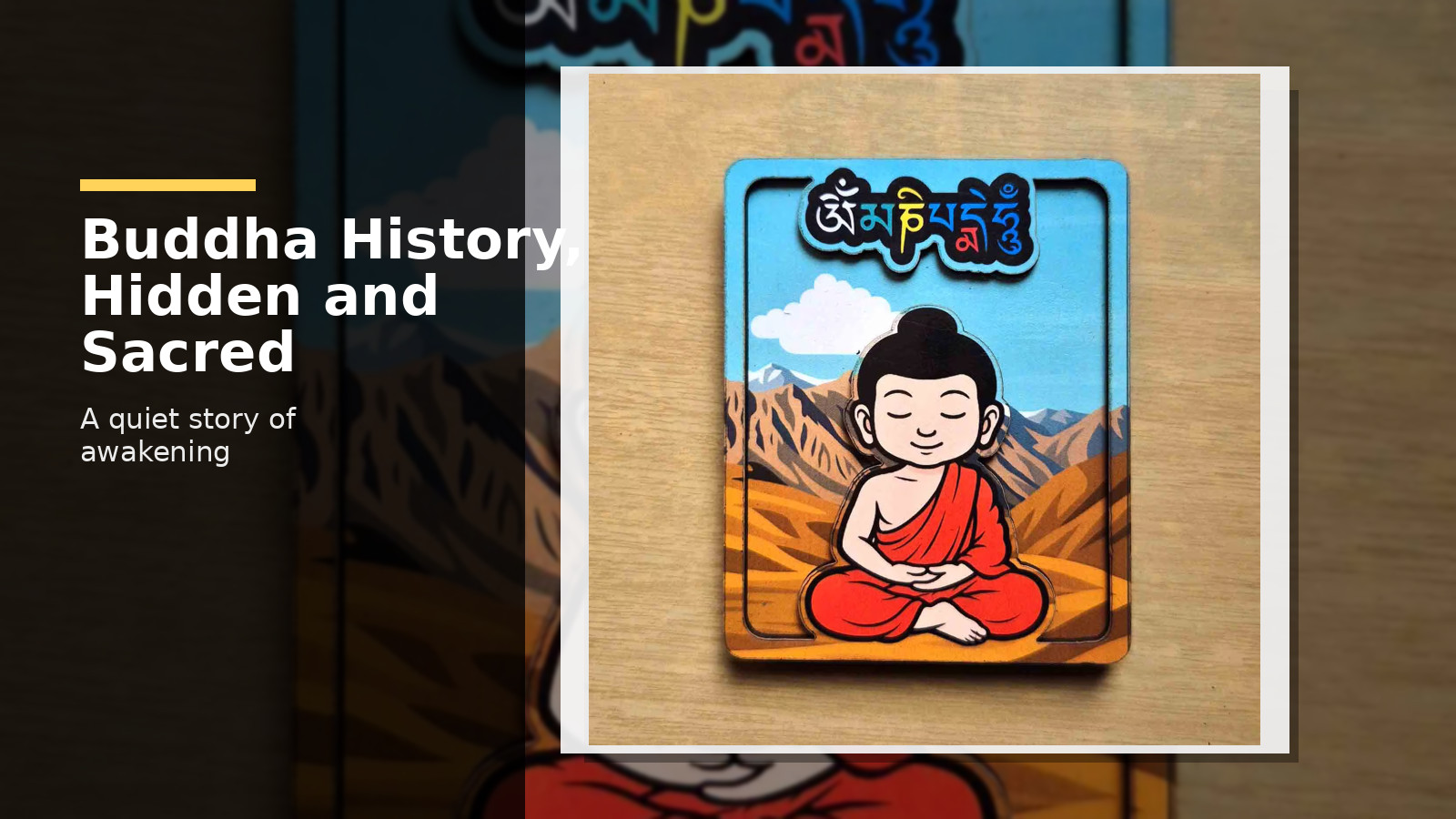
English Version
When people search for buddha history, they often expect the familiar outline: a prince, a palace, a renunciation, and an awakening under the Bodhi tree. But devotion is rarely lived only in outlines. It grows in the small corners too—in a mother’s prayer, a traveler’s roadside stop, a temple bell heard at dusk, or a story told softly by elders who have carried faith longer than memory.
This is one of those quieter corners. Here, we look at Buddha not only as the great awakened teacher, but also through lesser-known legends, symbolic meanings, and the warm human devotion that still surrounds his presence across homes, monasteries, and sacred places.
Who Buddha Is in the Heart of Devotion
Buddha means “the awakened one.” In Buddhist tradition, he is Siddhartha Gautama, a prince who left comfort in search of truth, discovered the root of suffering, and taught a path of compassion, wisdom, and inner freedom.
But for many devotees, Buddha is not only a historical teacher. He is a living reminder that peace can be found even in a restless world. His image—serene face, half-closed eyes, quiet hands—speaks without noise. It tells the heart: pause, breathe, look within.
That is why Buddha history is not just the story of a person. It is also the story of a path.
The Lesser-Known Legends Around Buddha History
Most people know the grand milestones of Buddha’s life. Yet there are gentler stories that give his journey a more intimate feeling. These stories are told in different traditions and communities as part of the deep cultural memory around Buddha.
- The child who felt the sorrow of all beings: One of the most moving themes in Buddha stories is his early sensitivity. Even as a young person, Siddhartha is remembered as someone who noticed life’s pain more deeply than others.
- The quiet power of the middle path: After extreme austerity and before his awakening, Buddha chose balance over force. This is not just a philosophy; it is a deeply human lesson for anyone who has ever lived through excess, exhaustion, or longing.
- The sermon that changed a forest: At Sarnath, Buddha gave his first teaching to the five ascetics. In devotional memory, this moment is not only a lecture. It is the opening of a door for countless seekers.
- Compassion for everyone, not only monks: Buddha’s teachings reached householders, traders, women, kings, and ordinary travelers. This wide embrace is one reason his presence feels so close to daily life.
These are not flashy miracles. They are quieter truths. And sometimes the quieter truth stays in the soul longer.
Buddha History and the Meaning Hidden in His Symbols
In devotional culture, symbols carry memory. Buddha’s form is full of meaning, and each detail seems to speak in a soft spiritual language.
- Usnisha: The topknot or crown-like shape on Buddha’s head is often seen as a sign of wisdom and elevated understanding.
- Long earlobes: These are commonly understood as reminders of renunciation, linked in tradition to the heavy jewelry of princely life that Siddhartha once wore.
- Serene face: The peaceful expression reflects inward calm, not absence of feeling, but mastery over disturbance.
- Lotus association: Like the lotus rising clean from muddy water, Buddha’s message speaks of purity, awakening, and hope amid difficulty.
For many people, these symbols are not just art. They are prayers in form.
The Bodhi Tree and the Stillness of Awakening
If Buddha history has one image that feels almost timeless, it is the Bodhi tree. Under that tree in Bodh Gaya, Buddha is believed to have attained enlightenment. This moment is central, but its emotional power often lies in its stillness.
No thunder had to announce it. No grand palace had to witness it. A man sat, observed the mind, and crossed into awakening. That simplicity is what gives the story its force. In a world that often demands noise to prove importance, Buddha’s awakening says something different: truth may arrive quietly.
For devotees, Bodh Gaya is not merely a destination. It is a living field of remembrance. Pilgrims walk there not only to see a sacred place, but to feel the atmosphere of a turning point in human consciousness.
Famous Places Connected with Buddha History
Across the Buddhist world, several sacred places remain deeply important. Each one carries a different chapter of the Buddha story.
- Bodh Gaya: The site of enlightenment and one of the holiest pilgrimage places.
- Sarnath: Where Buddha gave his first sermon and began teaching the Dharma.
- Kushinagar: Traditionally associated with Buddha’s Mahaparinirvana, or final passing away.
- Shravasti and Rajgir: Important centers in the spread of Buddha’s teachings and monastic life.
These places are not just historical markers. For many devotees, they are emotional landscapes where sacred memory still feels close.
Festival Significance and Devotional Life
When people speak of Buddha history in living tradition, they often remember Buddha Purnima. This full-moon day celebrates his birth, enlightenment, and Mahaparinirvana in many Buddhist communities. The day is usually observed with prayers, offerings, meditation, compassionate service, and quiet reflection.
The atmosphere of Buddha Purnima is often gentle rather than loud. That gentleness itself is meaningful. It reflects the tone of Buddha’s teaching: calm, mindful, steady.
In homes and monasteries, devotees may light lamps, recite teachings, or simply sit in silence. The celebration is not about display. It is about remembering the path.
Why Buddha Still Feels Close Today
Buddha’s message remains alive because it speaks to universal human experience. Suffering, fear, desire, loss, attachment, and longing are not old problems. They are current ones. Buddha history continues to matter because it offers not escape, but understanding.
He does not ask the seeker to deny pain. He asks the seeker to see it clearly. He does not promise a life without difficulty. He offers a way to move through life with wisdom and compassion.
That is why his presence feels intimate even today. In a quiet room, on a meditation mat, in a temple courtyard, or beside a small sacred symbol at home, Buddha’s image can create a pause that becomes prayer.
A Few Common Questions About Buddha History
Was Buddha a god?
In Buddhist tradition, Buddha is respected as the awakened teacher, not usually worshipped as a creator god. Different Buddhist communities may express reverence in different ways, but the central idea is awakening and compassion.
Why is Buddha shown with closed or half-closed eyes?
The eyes often suggest inner focus, meditation, and peace. They invite the viewer to look inward rather than outward.
What is the main lesson of Buddha history?
The deepest lesson is that freedom begins with understanding the mind, practicing compassion, and walking the middle path.
Why do people still visit Buddha pilgrimage sites?
Because these places help devotees connect memory, teaching, and practice. They offer a sense of presence that books alone cannot fully give.
Final Reflection
To read Buddha history is to step into a story that is both ancient and immediately human. It is a story of leaving, searching, seeing, and awakening. It is also a story of how devotion keeps a teacher present across centuries through symbols, places, prayers, and quiet acts of remembrance.
If you are drawn to peaceful travel-inspired decor and sacred memory, you may also like the Mountain Buddha 3D Fridge Magnet, a small keepsake that carries a calm, destination-led feeling into everyday spaces.
Hindi Version
जब लोग buddha history खोजते हैं, तो अक्सर उन्हें वही जाना-पहचाना क्रम याद आता है: राजकुमार, महल, त्याग, और बोधि वृक्ष के नीचे जागरण। लेकिन भक्ति केवल बड़े-बड़े अध्यायों में नहीं जीती जाती। वह छोटे-छोटे कोनों में भी बसती है—किसी माँ की प्रार्थना में, किसी यात्री के ठहराव में, मंदिर की घंटी की धीमी ध्वनि में, या बुज़ुर्गों की उस नरम कहानी में जिसे वे बहुत प्रेम से सुनाते हैं।
यह लेख उसी शांत कोने को खोलता है। यहाँ बुद्ध को केवल एक महान जाग्रत गुरु के रूप में नहीं, बल्कि कम सुनी गई कथाओं, गहरे अर्थों, और उस जीवित भक्ति के साथ देखा गया है जो आज भी घरों, विहारों और तीर्थों में साँस लेती है।
भक्ति की दृष्टि में बुद्ध कौन हैं
बुद्ध का अर्थ है “जाग्रत” या “बोध प्राप्त व्यक्ति।” बौद्ध परंपरा में वे सिद्धार्थ गौतम हैं—एक राजकुमार जिन्होंने सुख-सुविधा छोड़कर सत्य की खोज की, दुख के मूल को समझा, और करुणा, ज्ञान तथा आंतरिक स्वतंत्रता का मार्ग बताया।
लेकिन अनेक श्रद्धालुओं के लिए बुद्ध केवल इतिहास के शिक्षक नहीं हैं। वे यह याद दिलाने वाली उपस्थिति हैं कि अशांत जीवन में भी शांति संभव है। उनका शांत चेहरा, आधी बंद आँखें, और मौन मुद्रा बिना बोले बहुत कुछ कहती है—रुको, साँस लो, भीतर देखो।
इसीलिए buddha history केवल एक व्यक्ति की कहानी नहीं है। यह एक मार्ग की कहानी भी है।
बुद्ध इतिहास की कुछ कम सुनी गई कथाएँ
अधिकतर लोग बुद्ध के जीवन के बड़े पड़ाव जानते हैं। लेकिन कुछ कोमल कथाएँ भी हैं जो उनकी यात्रा को अधिक आत्मीय बनाती हैं। अलग-अलग परंपराओं और समुदायों में ये कथाएँ बुद्ध से जुड़ी सांस्कृतिक स्मृति का हिस्सा बनकर सुनाई जाती हैं।
- सब प्राणियों के दुख को महसूस करने वाला बालक: बुद्ध कथाओं में सिद्धार्थ की संवेदनशीलता बार-बार सामने आती है। बचपन से ही वे जीवन के दुख को गहराई से देखते थे।
- मध्यम मार्ग की शांत शक्ति: कठोर तप और फिर जागरण से पहले बुद्ध ने संतुलन चुना। यह केवल दर्शन नहीं, बल्कि हर उस इंसान के लिए सीख है जिसने कभी अति, थकान या तड़प महसूस की हो।
- वह उपदेश जिसने जंगल को नया अर्थ दिया: सारनाथ में पाँच तपस्वियों को दिया गया पहला उपदेश केवल प्रवचन नहीं था। वह असंख्य साधकों के लिए एक द्वार था।
- करुणा जो केवल संन्यासियों तक सीमित नहीं रही: बुद्ध की शिक्षा गृहस्थों, व्यापारियों, महिलाओं, राजाओं और साधारण यात्रियों तक पहुँची। इसी कारण वे दैनिक जीवन के इतने निकट लगते हैं।
ये चमकदार चमत्कार नहीं हैं। ये शांत सत्य हैं। और कई बार शांत सत्य ही हृदय में सबसे लंबी जगह बनाते हैं।
बुद्ध इतिहास और उनके प्रतीकों के छिपे अर्थ
भक्ति संस्कृति में प्रतीक स्मृति को सँभालते हैं। बुद्ध की आकृति अर्थों से भरी है, और उनका हर अंग एक मृदु आध्यात्मिक भाषा में बोलता है।
- उष्णीष: सिर के ऊपरी भाग पर दिखने वाली यह आकृति ज्ञान और उच्च समझ का प्रतीक मानी जाती है।
- लंबे कान: इन्हें प्रायः त्याग की याद माना जाता है, जो राजसी जीवन के भारी आभूषणों से जुड़ी परंपरागत स्मृति को दर्शाते हैं।
- शांत मुख-मुद्रा: यह शांति भीतर की स्थिरता का संकेत है—भावनाहीनता का नहीं, बल्कि विचलन पर विजय का।
- कमल का संबंध: जैसे कीचड़ में भी कमल निर्मल रहता है, वैसे ही बुद्ध का संदेश कठिनाइयों के बीच पवित्रता, जागरण और आशा की बात करता है।
बहुत से लोगों के लिए ये प्रतीक केवल कला नहीं, बल्कि रूप में बसी हुई प्रार्थना हैं।
बोधि वृक्ष और जागरण की स्थिरता
अगर buddha history की कोई एक छवि समय से परे लगती है, तो वह बोधि वृक्ष है। बोधगया में उसी वृक्ष के नीचे बुद्ध को ज्ञान प्राप्त हुआ, ऐसा परंपरा कहती है। इस क्षण की सबसे बड़ी शक्ति उसकी शांति है।
कोई गर्जना नहीं हुई। कोई भव्य सभा नहीं थी। एक व्यक्ति बैठा, मन को देखा, और जागरण तक पहुँचा। यही सादगी इस कहानी को इतना प्रभावशाली बनाती है। जहाँ दुनिया अक्सर महत्व सिद्ध करने के लिए शोर मांगती है, बुद्ध का जागरण कुछ और कहता है—सत्य बहुत बार चुपचाप आता है।
श्रद्धालुओं के लिए बोधगया केवल एक स्थान नहीं, बल्कि स्मृति का जीवित क्षेत्र है। वहाँ जाना केवल देखने के लिए नहीं, बल्कि मानव चेतना के एक मोड़ को महसूस करने के लिए होता है।
बुद्ध इतिहास से जुड़े प्रसिद्ध तीर्थ
बौद्ध जगत में कुछ स्थान अत्यंत पवित्र माने जाते हैं। हर स्थान बुद्ध जीवन के किसी महत्वपूर्ण अध्याय को सँजोए हुए है।
- बोधगया: जागरण का स्थल और सबसे पवित्र तीर्थों में से एक।
- सारनाथ: जहाँ बुद्ध ने पहला उपदेश दिया और धर्मचक्र प्रवर्तन आरंभ हुआ।
- कुशीनगर: परंपरा में बुद्ध के महापरिनिर्वाण से जुड़ा स्थान।
- श्रावस्ती और राजगीर: बुद्ध की शिक्षा और संघ-जीवन के महत्वपूर्ण केंद्र।
ये स्थान केवल ऐतिहासिक चिन्ह नहीं हैं। श्रद्धालुओं के लिए ये ऐसे भावनात्मक भू-दृश्य हैं जहाँ पवित्र स्मृति आज भी बहुत पास लगती है।
बुद्ध पूर्णिमा और जीवित भक्ति
buddha history को जीवित परंपरा में देखें, तो सबसे पहले बुद्ध पूर्णिमा याद आती है। कई बौद्ध समुदाय इस पूर्णिमा को बुद्ध के जन्म, ज्ञान प्राप्ति और महापरिनिर्वाण के स्मरण के रूप में मनाते हैं। इस दिन प्रार्थना, अर्पण, ध्यान, करुणा-सेवा और शांत चिंतन का विशेष महत्व होता है।
बुद्ध पूर्णिमा का वातावरण प्रायः शोर-शराबे से नहीं, बल्कि कोमलता से भरा होता है। और यही कोमलता बुद्ध की शिक्षा की आत्मा को दिखाती है—शांत, सजग, स्थिर।
घर और विहार में दीप जलाए जाते हैं, शिक्षाओं का पाठ होता है, या बस मौन में बैठा जाता है। यह उत्सव दिखावे का नहीं, स्मरण का उत्सव है।
आज भी बुद्ध इतने करीब क्यों लगते हैं
बुद्ध का संदेश आज भी इसलिए जीवित है क्योंकि वह सार्वभौमिक मानवीय अनुभव से बात करता है। दुख, भय, इच्छा, हानि, आसक्ति और तड़प पुराने प्रश्न नहीं हैं। वे आज भी हमारे साथ हैं। बुद्ध history इसलिए महत्त्वपूर्ण बनी रहती है क्योंकि वह भागने का नहीं, समझने का मार्ग देती है।
वे दुख से इनकार नहीं करते। वे कहते हैं—उसे साफ देखो। वे यह नहीं कहते कि जीवन में कठिनाई नहीं होगी। वे यह सिखाते हैं कि जीवन से बुद्धि और करुणा के साथ कैसे गुजरना है।
इसीलिए उनकी उपस्थिति आज भी आत्मीय लगती है। किसी शांत कमरे में, ध्यान की चटाई पर, मंदिर के प्रांगण में, या घर के किसी छोटे पवित्र प्रतीक के पास—बुद्ध की छवि एक ऐसी ठहराव-भरी शांति ला सकती है जो प्रार्थना बन जाती है।
buddha history से जुड़े कुछ सामान्य प्रश्न
क्या बुद्ध भगवान थे?
बौद्ध परंपरा में बुद्ध को जाग्रत गुरु के रूप में सम्मान दिया जाता है। उन्हें सामान्यतः सृष्टिकर्ता देवता की तरह नहीं पूजा जाता। अलग-अलग समुदायों में श्रद्धा की अभिव्यक्ति भिन्न हो सकती है, लेकिन केंद्र में जागरण और करुणा का मार्ग है।
बुद्ध को आधी बंद आँखों के साथ क्यों दिखाया जाता है?
आँखों की यह मुद्रा भीतर के ध्यान, शांति और एकाग्रता का संकेत देती है। यह देखने वाले को बाहर से भीतर की ओर लौटने का निमंत्रण देती है।
बुद्ध इतिहास का सबसे बड़ा संदेश क्या है?
सबसे गहरी सीख यह है कि मन को समझने, करुणा का अभ्यास करने और मध्यम मार्ग पर चलने से ही मुक्ति की शुरुआत होती है।
लोग बुद्ध तीर्थों की यात्रा क्यों करते हैं?
क्योंकि ये स्थान स्मृति, शिक्षा और साधना को जोड़ते हैं। ये एक ऐसी उपस्थिति देते हैं जो किताबें अकेले नहीं दे पातीं।
अंतिम विचार
buddha history को पढ़ना ऐसे कहानी में प्रवेश करना है जो प्राचीन भी है और तुरंत मानवीय भी। यह छोड़ने, खोजने, देखने और जागने की कथा है। यह इस बात की भी कथा है कि कैसे भक्ति सदियों तक प्रतीकों, स्थानों, प्रार्थनाओं और स्मरण के छोटे-छोटे कर्मों के माध्यम से गुरु को जीवित रखती है।
यदि आपको शांत यात्रा-प्रेरित सजावट और पवित्र स्मृति पसंद है, तो हमारी Mountain Buddha 3D Fridge Magnet भी देख सकते हैं—एक छोटा-सा स्मृति-चिह्न जो रोज़मर्रा की जगहों में शांति का भाव जोड़ता है।
FAQ
What makes Buddha history different from ordinary biography?
It is not remembered only as a life story. It is also lived as a spiritual path, with teachings that continue through practice, pilgrimage, and devotion.
Which place is most closely associated with Buddha’s enlightenment?
Bodh Gaya is traditionally associated with Buddha’s enlightenment under the Bodhi tree.
Why is the middle path so important?
Because it teaches balance between extremes, which makes it deeply practical for everyday life.
Which festival is most associated with Buddha?
Buddha Purnima is widely observed as the main festival connected with his birth, enlightenment, and Mahaparinirvana.