
Famous Jai Mata Di Round Temple: A Devotional Journey Through Faith and Pilgrimage
May 6, 2026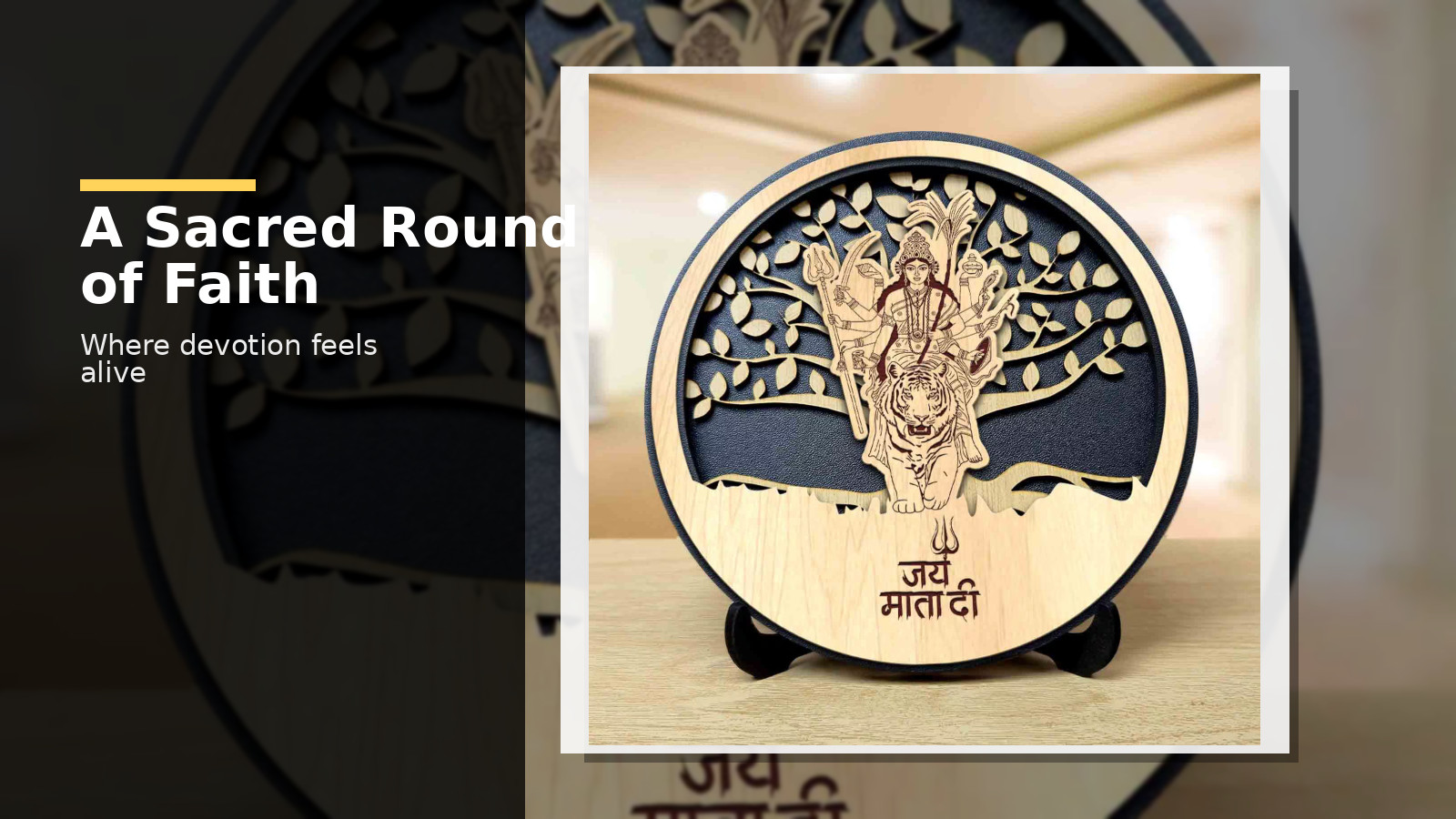
English Version
When people say famous jai mata di round temple, they are often not only speaking about one building. They are speaking about a feeling—of faith, of calling, of walking with folded hands toward Mata Rani. For many devotees, the name “Jai Mata Di Round” brings to mind the gentle rhythm of pilgrimage, the fragrance of incense, the sound of bells, and the quiet hope carried in the heart.
This kind of devotion is powerful because it is simple and deep at the same time. A temple becomes more than stone and ritual when devotees arrive with tears, wishes, gratitude, and surrender. In that spirit, let us walk through the meaning, traditions, and sacred atmosphere connected with Jai Mata Di Round and the wider world of Mata Rani worship.
Who Is Mata Rani in this devotional tradition?
Mata Rani, also lovingly called Durga, Vaishno Devi, Sherawali Maa, or Jagdamba in different regions, is worshipped as the Divine Mother. She is seen as the protector of devotees, the remover of fear, and the source of strength in difficult times. When devotees chant “Jai Mata Di,” it is not just a greeting; it is an expression of trust, surrender, and inner courage.
In many homes and temples, Mata Rani is remembered as the mother who listens without judgment. That is why her worship feels so personal. A pilgrim may come with one prayer, another with gratitude, and another simply to say thank you. All three hearts are equally welcome.
The spiritual meaning of Jai Mata Di Round
The word “round” in devotional practice often suggests a sacred circuit, a repeated movement of faith, or a symbolic journey undertaken with devotion. For a first-time pilgrim, the idea of a round temple experience can feel like stepping into a living circle of belief—one where every turn, every chant, and every offering brings the mind closer to peace.
That is why the phrase famous jai mata di round temple carries emotional weight. It evokes a place where devotees do not merely visit; they arrive to participate in a tradition of remembrance. The round itself becomes symbolic: life moves in circles, prayer returns to the heart, and faith keeps bringing a person back to the Divine Mother.
Famous places of worship linked with Mata Rani devotion
India’s devotional landscape is full of revered Mata Rani shrines. While “Jai Mata Di Round” is a devotional phrase that may be used in local and popular worship contexts, the broader pilgrimage heart connects beautifully with some of the most famous places of worship dedicated to the Goddess.
- Vaishno Devi, Jammu and Kashmir – one of the most celebrated pilgrimages in India, known for the spiritual journey up the hills and the deep faith of lakhs of devotees.
- Jwala Ji, Himachal Pradesh – a powerful Shakti Peeth where the eternal flame is worshipped with great reverence.
- Naina Devi – a respected temple associated with devotional strength and maternal grace.
- Chamunda Devi – a temple tradition linked with fierce protection and divine power.
These sacred places remind devotees that Mata Rani’s presence is felt across regions, languages, and local customs. The form may change, but the feeling remains the same: surrender, protection, and blessing.
Temple atmosphere: what a first-time pilgrim should expect
If you are visiting a Mata Rani shrine for the first time, the experience is often more emotional than expected. The atmosphere can feel charged with devotion—people chanting, families walking together, prasad being shared, and the air filled with the quiet urgency of prayer.
A first-time pilgrim should know a few simple things:
- Arrive with patience, because pilgrimage is often as much about the journey as the destination.
- Wear comfortable, respectful clothing suited to temple customs.
- Keep your mind steady and your phone use minimal during darshan.
- Accept the crowd as part of the shared devotional experience.
- Carry water, basic essentials, and a calm heart.
Most importantly, do not feel pressured to “perform” devotion. Mata Rani’s worship is deeply personal. A quiet “Jai Mata Di” said with sincerity carries more meaning than many loud words spoken without feeling.
Why devotees return again and again
People return to Mata Rani temples because the experience often stays with them long after the visit ends. Some return after a wish is fulfilled. Some return after hardship, seeking strength. Some simply return because the temple became the place where they felt heard.
There is a beautiful human truth here: faith grows through memory. A devotee remembers the climb, the bells, the line of pilgrims, the first glimpse of the sanctum, and the strange calm that arrives once prayer is offered. That memory becomes a thread, and the thread pulls them back.
This is one reason the phrase famous jai mata di round temple resonates so strongly. It suggests not only a destination, but a recurring relationship between devotee and Divine Mother.
Festival significance and seasonal devotion
Mata Rani devotion becomes especially vibrant during Navratri, when homes and temples brighten with lamps, bhajans, fasting, and special offerings. During these nine days, the mood changes in a noticeable way. Even people who rarely visit temples often feel drawn to remember the Goddess.
In many places, kirtans, aartis, and community gatherings create a sense of shared spiritual energy. The festival is not just about ritual—it is about renewal. Devotees ask for courage, health, family peace, and grace for the year ahead. For many, it is the most emotionally charged season of the devotional calendar.
Symbols that carry Mata Rani’s message
Devotional symbols help people feel the presence of the Divine in everyday life. In Mata Rani worship, some symbols are especially meaningful:
- Red and sindoor – often associated with power, auspiciousness, and motherly protection.
- Trishul – a sign of divine शक्ति and the removal of negativity.
- Lion – the vehicle of the Goddess, symbolizing courage and fearless presence.
- Bell and aarti – reminders of wakefulness, reverence, and sacred rhythm.
These symbols are not merely decorative. They help devotees focus the mind and remember that faith is not abstract; it can be seen, heard, and felt in ritual space.
Common questions devotees ask
Is Jai Mata Di only a greeting?
No. It is also a mantra of devotion. When spoken from the heart, it carries faith, surrender, and blessings.
Why do people repeat the chant during pilgrimage?
Repetition helps calm the mind and create a shared devotional rhythm. It also keeps the spirit focused on Mata Rani throughout the journey.
Can a first-time visitor feel connected even if they do not know all the rituals?
Yes. Sincerity matters more than perfection. Temple traditions can be learned slowly, and devotion begins with an open heart.
What makes the famous jai mata di round temple experience special?
It is special because it combines personal prayer, collective faith, and a sense of sacred movement. Many devotees feel emotionally renewed after the visit.
A small devotional touch for your home
For devotees who wish to keep this feeling close even after returning home, a sacred image or engraved idol can become a gentle reminder of prayer. The Jai Mata Di Round Engraved Idol can add a spiritual touch to a home temple, desk, or gifting moment, while keeping the devotion warm and visible in daily life.
In the end, the heart of Mata Rani devotion is not about distance or grandeur alone. It is about faith that walks, faith that waits, and faith that bows. Whether you visit a grand shrine or keep a small sacred corner at home, the feeling is the same: a child calling to the Mother with love.
Jai Mata Di.
Frequently Asked Questions
What is the meaning of famous jai mata di round temple?
It refers to a devotional idea or pilgrimage feeling connected with Mata Rani worship, sacred movement, and the spiritual atmosphere around her temples.
Which temples are most closely associated with Mata Rani devotion?
Vaishno Devi, Jwala Ji, Naina Devi, and Chamunda Devi are among the well-known places of worship linked with the Goddess.
What should a first-time pilgrim keep in mind?
Patience, respect, simple clothing, and a calm heart are the most important things. Sincerity matters more than knowing every ritual.
When is Mata Rani worship especially significant?
Navratri is the most celebrated season, though devotees remember and worship the Goddess throughout the year.
Hindi Version
Jab log famous jai mata di round temple kehte hain, to ve sirf kisi ek imaarat ki baat nahi karte. Ve us ehsaas ki baat karte hain jo Maa ke darshan se pehle hi dil mein jaag uthta hai—bhakti ka, shradha ka, aur haath jod kar chalne wali us yaatra ka, jise har bhakt apne mann se jeeta hai.
“Jai Mata Di Round” ka naam sunte hi akshar yaad aata hai mandir ka ghanti-ghanti bhara mahaul, dhup ki khushboo, bhajanon ki madhur dhun, aur woh shanti jo prarthana ke baad dil mein utarti hai. Yeh sirf yatra nahi hoti; yeh Maa ke paas lautne ka ehsaas hota hai.
Mata Rani ka roop aur bhakti ka arth
Mata Rani ko Maa Durga, Vaishno Devi, Sherawali Maa ya Jagdamba ke roop mein pooja jata hai. Ve bhakton ki raksha karne wali, dar door karne wali aur jeevan mein sahas dene wali Divya Mata maani jaati hain. Jab koi “Jai Mata Di” bolta hai, to yeh keval ek greetings nahi hota—yeh shraddha, samarpan aur antarman ki pukaar hoti hai.
Maa ki bhakti isliye itni gehri lagti hai kyunki unka roop maa jaisa hai—sunta hua, apnapan dene wala, aur bina kisi shart ke ashirwad dene wala.
Jai Mata Di Round ka adhyatmik arth
“Round” ka bhav kai baar ek pavitra chakra, ek ghoomti hui yatra, ya bhakti ke us path se hota hai jahan bhakt baar-baar Maa ke smaran mein lautta hai. Isliye famous jai mata di round temple ka arth sirf sthaan nahi, balki ek aisa anubhav bhi hai jahan har kadam, har jaap, aur har darshan bhakti ko aur gahra karta hai.
Yeh ghumavdar yaatra jeevan ke bhi ek sach ko yaad dilati hai: man akshar bhatakta hai, par bhakti use phir se kendrit kar deti hai.
Mata Rani se jude prasiddh sthaan
India mein Maa ke darshan ke liye kai atyant prasiddh dhaam hain. Inmein se kuch sabse mahatvapurn hain:
- Vaishno Devi, Jammu-Kashmir – yatra aur shraddha ka sabse prasiddh kendr.
- Jwala Ji, Himachal Pradesh – jahan anant jyoti ki pooja hoti hai.
- Naina Devi – shakti aur mamta ka pavitra sthaan.
- Chamunda Devi – raksha aur divya shakti se juda mandir.
In sab sthalon ki ek hi pehchaan hai—Maa ki upasthiti ka gehra anubhav.
Pehli baar darshan karne wale bhakt ke liye kya jaanna zaroori hai
Agar aap pehli baar Mata Rani ke mandir ja rahe hain, to anubhav ummeed se zyada bhaavuk ho sakta hai. Mandir ka mahaul aksar bhakti se bhara hota hai—log “Jai Mata Di” bolte hue, prasad baantte hue, aur apni nayi purani sab chintayein Maa ke charanon mein chhodte hue dikhte hain.
- Sabse pehle dhairya rakhein.
- Saaf aur vinamra vastra pehnein.
- Darshan ke samay shanti aur samman banaaye rakhein.
- Bheed ko bhakti ka hissa samjhein.
- Apne saath paani aur zaroori cheezein rakhein.
Sabse mahatvapurn baat: bhakti ko dikhane ki zaroorat nahi hoti. Sacha mann hi sabse bada arpan hai.
Bhakt baar-baar kyon lautte hain
Log Maa ke mandir isliye lautte hain kyunki unka anubhav unke saath chalne lagta hai. Kisi ki mannat poori hoti hai, koi sankat ke baad sahas paane aata hai, aur koi bas thanks kehne ke liye wapas aata hai.
Yahi bhakti ki sundar sachchai hai—yaad, anubhav aur kripa milkar bhakt ko phir se bula lete hain.
Navratri aur utsav ka mahatva
Navratri ke dino mein Mata Rani ki bhakti aur bhi jagmagati hai. Gharon mein diya jalte hain, mandiron mein aarti hoti hai, bhajan hote hain aur log upvaas rakh kar Maa ka smaran karte hain.
Yeh keval ritual nahi hota; yeh man aur jeevan ko nayi urja dene ka samay hota hai.
Maa ke pratik aur unka sandesh
- Lal rang aur sindoor – shakti aur mangal ka sanket.
- Trishul – divya shakti aur raksha ka pratik.
- Singh – sahas aur nirbhayta ka chinh.
- Ghanti aur aarti – jagruk bhakti aur pavitrata ka anubhav.
Aksar pooche jaane wale prashn
Kya Jai Mata Di sirf ek greeting hai?
Nahi, yeh bhakti ka mantra bhi hai.
Pehli baar yatra par kya yaad rakhein?
Sabse pehle shraddha, dhairya aur vinamrata.
Navratri kyon itni mahatvapurn hai?
Yeh Maa ki bhakti ka sabse utsavmaye samay hota hai.
Ghar mein bhakti ka chhota sa sparsh
Jo bhakt Maa ki yaad ko apne ghar ya kaam ki jagah par bhi jeevit rakhna chahte hain, unke liye ek pavitra engraved idol achha vikalp ho sakta hai. Aap Jai Mata Di Round Engraved Idol ko home temple, desk ya gifting ke liye dekh sakte hain—ek chhota sa, lekin bhaav se bhara dharmik sparsh.
Ant mein, Mata Rani ki bhakti doori se nahi, man ki sachchai se maapi jaati hai. Chaahe aap bade dhaam mein jaayein ya ghar ke chhote se mandir mein diya jalaayein—Jai Mata Di ka ehsaas wahi rehta hai: Maa ko prem se pukaarna.
Jai Mata Di.
FAQ
famous jai mata di round temple ka kya arth hai?
Yeh Mata Rani bhakti, pavitra yatra, aur mandir ke aas-paas ke adhyatmik mahaul ka sanket hai.
Kis mandir ka naam sabse zyada prasiddh hai?
Vaishno Devi sabse prasiddh yatra sthalon mein se ek hai.
Pehli baar bhakt ko kya karna chahiye?
Shanti se darshan karein, niyam samjhein, aur sacha mann rakhein.